Education has always adapted to the changing needs of society. New discoveries, technological innovations, and evolving career opportunities have influenced the way students learn for generations. As we move toward 2030, education is expected to become even more flexible, personalized, and connected. While classrooms will continue to play an important role, learning will increasingly extend beyond school buildings through digital platforms, collaborative experiences, and lifelong skill development. Although no one can predict every change with certainty, current trends provide valuable insight into what education may look like by the end of the decade.
One of the most noticeable developments expected by 2030 is the continued integration of technology into everyday learning. Digital devices, cloud-based platforms, and interactive educational tools will likely become even more common in classrooms and online learning environments. Rather than replacing traditional teaching, technology will continue supporting students by making lessons more engaging, improving access to educational resources, and encouraging collaboration across different locations.
Personalized learning is expected to become more advanced. Every student has unique learning preferences, strengths, and goals. Educational platforms will likely use intelligent systems to recommend learning activities that match each student’s progress. Learners may receive customized practice exercises, review materials, and additional explanations based on their individual needs. This approach can help students develop confidence while allowing them to progress at a pace that supports long-term understanding.
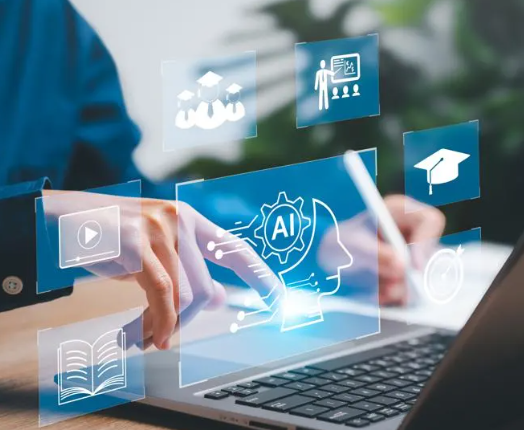
Artificial intelligence is also expected to play a larger supporting role in education. AI-powered learning assistants may help students organize study schedules, answer routine questions, provide immediate feedback, and recommend educational resources. Teachers will remain central to education by guiding discussions, encouraging creativity, supporting emotional development, and helping students think critically. Artificial intelligence is most valuable when it enhances learning while preserving the essential human relationships that define quality education.
Online learning is expected to continue expanding alongside traditional classroom education. Many schools and universities may offer more flexible learning options that combine in-person instruction with digital coursework. Hybrid learning models allow students to benefit from face-to-face interaction while enjoying the convenience of online educational resources. This flexibility helps learners balance education with personal responsibilities and supports lifelong learning opportunities.
Collaboration will likely become even more global by 2030. Students may regularly work on projects with classmates from different regions and countries using digital communication tools. These international learning experiences encourage cultural understanding, teamwork, and global awareness. As businesses and organizations become increasingly interconnected, students who develop strong collaboration skills will be well prepared for future careers.
Another important expectation for education in 2030 is a stronger focus on practical skills. While academic knowledge will remain essential, schools are likely to place greater emphasis on communication, creativity, leadership, adaptability, critical thinking, and problem-solving. These transferable skills help students succeed across many industries and prepare them for careers that continue evolving through technological innovation.
Lifelong learning is expected to become a normal part of modern life. Many future careers will require continuous skill development as industries adapt to new technologies and changing market demands. Educational institutions, employers, and online learning platforms will likely provide more opportunities for adults to continue expanding their knowledge throughout their professional lives. Learning will increasingly be viewed as an ongoing journey rather than something completed after graduation.
Digital literacy will continue growing in importance. By 2030, students will likely spend even more time working with digital platforms, research tools, communication technologies, and collaborative software. Learning how to evaluate information carefully, protect personal privacy, communicate responsibly, and use technology ethically will remain essential parts of modern education. Digital literacy goes beyond operating devices by encouraging thoughtful participation in online environments.
Virtual reality and augmented reality may become more common learning tools. These immersive technologies can help students explore historical landmarks, scientific concepts, engineering designs, healthcare simulations, and environmental systems in interactive ways. Instead of only reading about certain topics, learners may experience them through engaging digital environments that improve understanding and encourage curiosity.
Project-based learning is also expected to continue expanding. Rather than focusing primarily on memorization, students will increasingly participate in activities that involve research, teamwork, creativity, and practical problem-solving. Real-world projects encourage learners to apply academic knowledge while developing valuable skills that prepare them for future careers and community involvement.
Career preparation will likely begin earlier in students’ educational journeys. Schools may provide greater opportunities for internships, mentorship programs, career exploration, entrepreneurship, and industry partnerships. These experiences help learners understand different professions while building confidence and practical workplace skills before entering the job market.
Assessment methods may also continue evolving. While examinations will remain valuable in many situations, schools are expected to use a broader range of evaluations, including presentations, portfolios, collaborative projects, research assignments, and practical demonstrations of learning. These approaches recognize different talents while encouraging deeper understanding and meaningful application of knowledge.
Accessibility is expected to improve as educational technology continues advancing. Digital resources may include more language translation tools, adaptive learning features, text-to-speech systems, captioning, and customizable learning environments. These improvements help ensure that students with different learning preferences and needs have opportunities to participate successfully in educational programs.
Mental well-being is also likely to receive greater attention by 2030. Educational institutions increasingly recognize that emotional health supports academic achievement and lifelong success. Schools may continue expanding programs that encourage resilience, healthy study habits, balanced technology use, emotional awareness, and supportive learning communities. Students who feel supported often develop greater confidence and stronger motivation.
Environmental education is expected to become an even more important part of school curricula. As communities continue focusing on sustainability and responsible resource management, students will likely explore renewable energy, conservation, environmental science, and sustainable living practices more deeply. These topics encourage informed decision-making while preparing future generations to contribute positively to environmental stewardship.
Teachers will remain at the center of successful education despite advances in technology. Their ability to inspire curiosity, encourage discussion, provide guidance, and build meaningful relationships cannot be replaced by digital tools. Technology will continue assisting teachers with planning, organization, and routine administrative tasks, allowing them to spend more time supporting individual student growth.
Family and community involvement may also become stronger by 2030. Parents, local organizations, businesses, and educational institutions are increasingly working together to create richer learning experiences. Community partnerships can provide mentorship opportunities, practical projects, career exploration, and volunteer experiences that connect classroom learning with everyday life.
Creativity will remain one of the most valuable human qualities in the future. As artificial intelligence becomes more capable of handling routine tasks, uniquely human abilities such as imagination, innovation, empathy, communication, and ethical reasoning will become even more important. Schools are expected to encourage creative thinking through arts, design, entrepreneurship, scientific exploration, and interdisciplinary learning.
Adaptability will continue to be one of the defining characteristics of successful learners. New careers, technologies, and industries will emerge throughout the coming years, making flexibility an essential skill. Students who learn how to adapt, remain curious, and continue expanding their knowledge throughout life will be well prepared for future opportunities.
Ethical education will likely receive greater emphasis as technology becomes increasingly integrated into society. Students will continue learning about responsible digital behavior, academic integrity, respectful communication, privacy protection, and thoughtful decision-making. These values help individuals contribute positively to both online and offline communities.
Although education in 2030 will benefit from remarkable technological advances, its core purpose will remain unchanged. Learning will continue helping individuals develop knowledge, confidence, character, communication skills, and the ability to contribute meaningfully to society. Technology will provide new opportunities, but meaningful education will always depend on curiosity, supportive teachers, engaged students, and strong communities.
In conclusion, education in 2030 is expected to be more personalized, flexible, technology-enhanced, and focused on lifelong learning than ever before. Artificial intelligence, digital learning platforms, virtual experiences, global collaboration, practical skill development, and accessible educational resources will continue expanding opportunities for learners worldwide. At the same time, qualities such as creativity, critical thinking, empathy, communication, adaptability, and ethical responsibility will remain at the heart of quality education. By embracing innovation while preserving the human values that make learning meaningful, education in 2030 has the potential to prepare students not only for successful careers but also for fulfilling lives and positive contributions to an increasingly connected world.