Online education has changed the way people learn by making knowledge more accessible, flexible, and convenient than ever before. What began as a useful alternative for distance learning has grown into a widely accepted educational approach used by schools, universities, businesses, and independent learners around the world. In 2026, online education continues to evolve through advances in technology, improved teaching methods, and changing learning needs. While traditional classrooms remain valuable, digital learning has become an essential part of modern education. Understanding the future of online education helps students, educators, and families prepare for a learning environment that is increasingly connected, interactive, and personalized.
The future of online education is built on the idea that learning should be available whenever and wherever people need it. High-speed internet, mobile devices, cloud technology, and digital learning platforms have made it possible for millions of learners to study from home, workplaces, libraries, or while traveling. This flexibility allows students to balance education with employment, family responsibilities, and personal commitments without sacrificing access to quality learning opportunities.
One of the most important trends shaping online education is personalized learning. Every student has different strengths, interests, and learning styles. Modern online platforms are becoming better at adapting lessons to meet individual needs. Instead of requiring every learner to move at the same pace, personalized systems can recommend additional practice, provide review materials, or introduce more advanced topics when students demonstrate understanding. This approach helps learners build confidence while improving their overall educational experience.
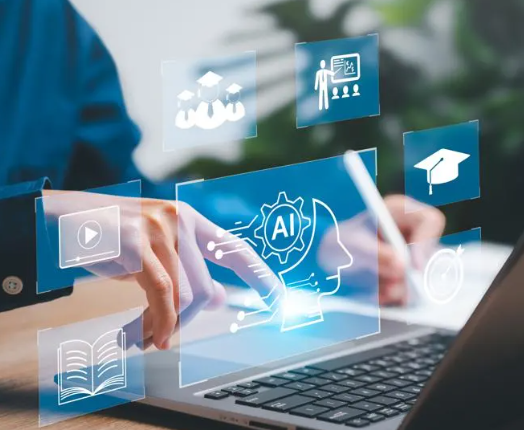
Artificial intelligence is playing an increasingly important role in online learning. AI-powered educational tools can organize study plans, provide immediate feedback, recommend learning resources, and answer common questions. These technologies support students throughout their learning journeys while allowing teachers to spend more time on mentoring, discussion, and individualized instruction. Artificial intelligence works best as an educational assistant rather than a replacement for skilled educators.
Interactive learning experiences are also becoming more common. Online education is moving beyond recorded video lectures to include live virtual classrooms, collaborative projects, simulations, educational games, and interactive exercises. These features encourage active participation instead of passive observation. Students who engage directly with learning materials often develop stronger understanding and better long-term retention of information.
Virtual classrooms continue improving through advances in communication technology. Students can participate in discussions, ask questions, collaborate with classmates, and receive real-time guidance from instructors regardless of location. Video conferencing, digital whiteboards, shared workspaces, and collaborative documents help create learning environments that closely resemble traditional classroom experiences while providing greater flexibility.
Another important trend is the expansion of lifelong learning. Education is no longer viewed as something that ends after graduation. Technology, industries, and workplaces continue changing rapidly, making continuous skill development increasingly valuable. Online education provides convenient opportunities for professionals to update their knowledge, earn certifications, explore new subjects, and prepare for changing career opportunities throughout their lives.
Career-focused education is becoming more prominent in online learning. Many educational providers now offer programs designed to develop practical workplace skills alongside academic knowledge. Courses in communication, leadership, digital literacy, project management, data analysis, business, programming, and creative fields help learners prepare for current and future employment opportunities. Practical learning experiences often include projects that allow students to apply new knowledge to realistic situations.
Accessibility is another major advantage shaping the future of online education. Digital learning platforms increasingly include features such as captions, text-to-speech technology, adjustable text sizes, translation tools, and screen reader compatibility. These improvements help create inclusive learning environments that support students with different learning preferences and accessibility needs. Expanding access allows more people to benefit from educational opportunities regardless of their circumstances.
Mobile learning continues growing as smartphones and tablets become more powerful. Students can watch lessons, review notes, participate in discussions, and complete assignments using portable devices. Mobile learning allows people to study during travel, work breaks, or other convenient times, making education more adaptable to busy lifestyles. This flexibility encourages consistent learning habits and greater educational participation.
Cloud technology also supports the future of online education by allowing learners to access educational materials from multiple devices. Notes, assignments, presentations, research projects, and learning resources can be stored securely and accessed whenever needed. Cloud-based systems simplify collaboration while reducing the need for physical storage of learning materials.
Virtual reality and augmented reality are creating exciting possibilities for online education. These immersive technologies allow students to explore historical landmarks, scientific concepts, engineering models, healthcare simulations, and natural environments in engaging ways. Practical learning experiences become more interactive, helping students visualize complex ideas while encouraging curiosity and deeper understanding.
Another significant trend is the growing importance of collaboration. Online education increasingly encourages teamwork through group discussions, shared research projects, virtual study groups, and collaborative assignments. Working with classmates from different regions and cultures strengthens communication skills while exposing learners to diverse perspectives. These experiences prepare students for modern workplaces where remote collaboration is becoming increasingly common.
Digital literacy has become an essential part of online education. Students learn how to evaluate information carefully, recognize reliable sources, communicate professionally, protect personal privacy, and use technology responsibly. As digital environments continue expanding, these skills become increasingly valuable for academic success, career development, and everyday life.
Teachers continue playing a central role in online education despite technological advances. Skilled educators provide encouragement, explain complex concepts, guide discussions, and create supportive learning environments that technology alone cannot replace. Successful online education combines digital innovation with experienced instructors who understand how to motivate students and encourage meaningful learning.
Assessment methods are also evolving. Online education increasingly uses projects, presentations, portfolios, collaborative assignments, and practical demonstrations alongside traditional quizzes and examinations. These diverse assessment methods allow students to demonstrate understanding through multiple approaches while encouraging deeper learning rather than simple memorization.
Mental well-being is receiving greater attention within online education. Educational institutions increasingly encourage balanced study routines, regular breaks, healthy technology use, and supportive learning communities. Students perform best when academic success is combined with emotional well-being and healthy daily habits.
Environmental sustainability is another benefit of online learning. Digital classrooms reduce the need for printed materials, daily commuting, and physical resources associated with traditional education. While online education still depends on technology infrastructure, many institutions continue exploring environmentally responsible practices that support sustainable learning.
Global learning opportunities continue expanding through online education. Students can enroll in courses offered by institutions located in different countries, collaborate with international classmates, and participate in worldwide educational communities. These experiences promote cultural understanding, global awareness, and appreciation for diverse perspectives while preparing learners for increasingly interconnected societies.
The future of online education also emphasizes adaptability. As industries evolve and new careers emerge, learners will continue updating their skills throughout life. Flexible online programs allow students to respond quickly to changing professional opportunities while maintaining continuous personal and academic development. Adaptability has become one of the most valuable qualities for lifelong success.
Families and communities also contribute to successful online education. Supportive home environments, reliable study routines, open communication, and encouragement help learners remain motivated and engaged. Strong partnerships between educators, students, and families create positive learning experiences that extend beyond digital classrooms.
Although technology continues transforming education, the fundamental purpose of learning remains unchanged. Education exists to help people develop knowledge, curiosity, creativity, communication skills, critical thinking, and confidence. Online learning provides new tools and opportunities, but meaningful education continues depending on active participation, thoughtful instruction, and a commitment to lifelong growth.
In conclusion, the future of online education is bright because it combines flexibility, accessibility, personalization, and technological innovation with the timeless value of quality teaching. Artificial intelligence, interactive learning, virtual classrooms, immersive technologies, mobile learning, and lifelong education are expanding opportunities for learners around the world. At the same time, communication, collaboration, ethical technology use, critical thinking, and human connection remain essential parts of successful education. As online learning continues to evolve, it will play an increasingly important role in helping people of all ages develop the knowledge and skills needed to succeed in an ever-changing world. By embracing these innovations while maintaining a passion for learning, students can prepare themselves for a future filled with opportunity, growth, and lifelong achievement.