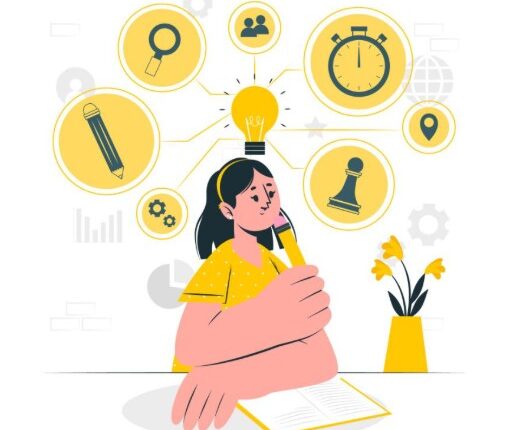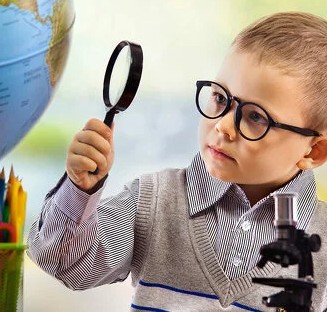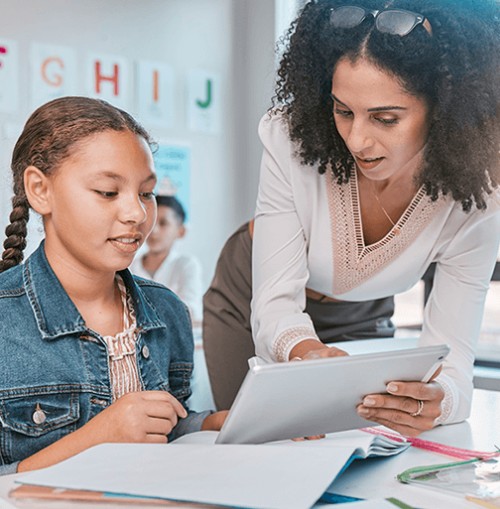
Education plays a meaningful role in everyday problem solving, shaping how individuals approach challenges and find solutions in daily life. While many people think of education as something connected to classrooms or formal study, its influence extends far beyond those settings. It provides the tools, mindset, and confidence needed to handle situations both simple and complex. When education is viewed as a practical resource, it becomes clear how it supports thoughtful decision-making and effective problem solving in everyday experiences.
At its core, education helps individuals understand how to break down problems into manageable parts. Instead of feeling overwhelmed, a person who has developed problem-solving skills can analyze a situation step by step. This approach allows for clearer thinking and more organized responses. Whether it involves managing time, resolving a misunderstanding, or planning tasks, education provides the structure needed to approach challenges calmly and effectively.
Critical thinking is one of the most important outcomes of education that supports problem solving. Learning how to evaluate information, consider different perspectives, and make informed decisions helps individuals navigate a wide range of situations. This ability allows people to look beyond immediate reactions and think carefully about the best course of action. Critical thinking transforms problems into opportunities for learning and growth.
Another valuable aspect of education in problem solving is the ability to gather and use information. When individuals know how to research, observe, and learn from experience, they can make better decisions. Education teaches people how to find reliable information and apply it in practical ways. This skill is especially useful in a world where information is constantly available but not always clear or organized.
Communication is also essential for solving everyday problems, and education helps develop this skill. Being able to express ideas clearly and listen to others allows individuals to resolve conflicts and collaborate effectively. Many problems involve interactions with others, and strong communication can help prevent misunderstandings and create positive outcomes. Education encourages respectful dialogue and thoughtful responses, which are important for finding solutions.
Adaptability is another key benefit of education when it comes to problem solving. Everyday situations are not always predictable, and the ability to adjust and respond to change is essential. Education helps individuals become more flexible by exposing them to different ideas and experiences. This flexibility allows people to approach problems with an open mind and consider multiple solutions.
Education also builds confidence, which is important for handling challenges. When individuals feel confident in their abilities, they are more likely to take action and explore solutions. This confidence comes from knowledge and practice. As individuals learn and apply their skills, they develop a sense of capability that helps them approach problems with a positive mindset.
Practical skills learned through education play a significant role in everyday problem solving. Skills such as time management, organization, and planning help individuals handle responsibilities more effectively. These abilities make it easier to manage tasks, prioritize activities, and stay focused. When individuals are organized, they can approach problems more efficiently and reduce unnecessary stress.
Technology has expanded the ways in which education supports problem solving. Digital tools, online resources, and interactive platforms provide access to information and solutions. Individuals can learn new skills, find guidance, and explore different approaches to solving problems. Technology makes it easier to access knowledge and apply it in real-life situations, enhancing the problem-solving process.
Creativity is another important element of education that supports problem solving. When individuals are encouraged to think creatively, they can approach challenges from different angles. Creativity allows people to explore new ideas and develop innovative solutions. This ability to think beyond traditional methods can lead to more effective and unique outcomes.
Learning from experience is an essential part of problem solving, and education encourages reflection. By thinking about past situations and what was learned from them, individuals can improve their approach to future challenges. Reflection helps individuals recognize patterns, understand outcomes, and make better decisions. This process supports continuous growth and development.
Collaboration is another way education supports problem solving. Working with others allows individuals to share ideas and learn from different perspectives. Group discussions and teamwork can lead to more effective solutions, as each person brings unique insights. Education encourages cooperation and helps individuals understand the value of working together.
Resilience is also strengthened through education and plays an important role in problem solving. Challenges are a natural part of life, and the ability to stay persistent is essential. Education teaches individuals that setbacks can be opportunities to learn. This perspective helps individuals remain focused and continue working toward solutions, even when faced with difficulties.
Another important aspect of education is its ability to make problem solving more meaningful. When individuals understand the purpose behind what they are learning, they are more likely to apply it in real-life situations. This connection between learning and application helps individuals see the value of education and motivates them to continue developing their skills.
Balancing learning with daily responsibilities can help individuals integrate problem-solving skills into their routines. Even small efforts, such as practicing organization or reflecting on decisions, can make a difference. Education does not have to be separate from everyday life; it can be part of daily habits and experiences.
Over time, individuals who continue to learn and apply their knowledge become more effective problem solvers. They develop the ability to approach challenges with confidence, think critically, and find solutions that work. This growth supports both personal and professional development, making education a valuable resource in all areas of life.
In conclusion, education plays a vital role in everyday problem solving by providing the skills, knowledge, and mindset needed to handle challenges effectively. It supports critical thinking, communication, adaptability, and confidence, all of which contribute to better decision-making. By embracing education as a lifelong process, individuals can continue to improve their problem-solving abilities and create positive outcomes in their daily lives.