Education has changed dramatically over the past few decades, and digital technology has become one of the driving forces behind this transformation. Classrooms are no longer limited to printed textbooks, chalkboards, and face-to-face lectures. Today, students have access to a wide range of digital tools that make learning more interactive, flexible, and engaging. From online learning platforms and educational apps to cloud-based collaboration and artificial intelligence, technology is helping learners develop knowledge and skills in new ways. While traditional teaching remains an important part of education, digital tools are creating opportunities that support students, teachers, and lifelong learners around the world.
Digital tools refer to software, applications, online platforms, and electronic devices that assist with learning and teaching. These resources include educational websites, video conferencing platforms, digital libraries, interactive presentations, virtual classrooms, note-taking applications, and collaborative workspaces. As technology continues to improve, these tools are becoming easier to use and more widely available, helping learners access quality education regardless of location.
One of the biggest advantages of digital tools is improved access to educational resources. Students no longer have to depend only on printed books or classroom notes. They can explore digital libraries, instructional videos, academic articles, educational podcasts, and interactive lessons whenever they need additional information. This instant access encourages curiosity and allows learners to explore subjects in greater depth at their own pace.
Another important benefit is flexibility. Digital learning allows students to study from home, libraries, community centers, or while traveling. Online platforms make it possible to review lessons, complete assignments, and participate in discussions without being limited by a fixed location. This flexibility is especially valuable for learners who balance education with work, family responsibilities, or other commitments.
Personalized learning is another way digital tools are improving education. Every student has different strengths, learning styles, and academic goals. Modern learning platforms can recommend practice activities, review materials, and learning resources based on individual progress. Students who need extra support can spend more time mastering challenging concepts, while those who advance quickly can continue exploring new topics. This personalized approach encourages confidence and promotes steady academic growth.
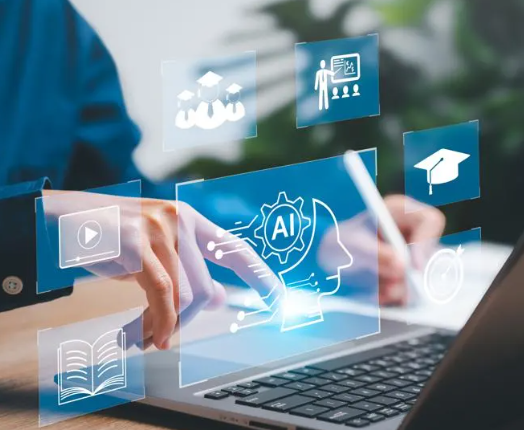
Artificial intelligence has also become an important educational resource. AI-powered systems can provide instant feedback, answer common questions, organize study schedules, and recommend useful learning materials. These tools help students recognize areas where they need improvement while encouraging independent learning. Teachers also benefit from AI by reducing time spent on routine administrative tasks, allowing them to focus more on teaching, mentoring, and supporting students.
Interactive learning experiences have become much more common with digital technology. Instead of simply reading textbooks, students can participate in quizzes, educational games, simulations, virtual experiments, and multimedia lessons. Interactive activities encourage active participation, making learning more enjoyable while improving understanding and long-term memory. Students often retain information more effectively when they actively engage with learning materials.
Digital collaboration tools are also transforming education. Shared documents, online discussion boards, video conferencing platforms, and virtual workspaces allow students to work together on projects regardless of their physical location. Collaboration teaches communication, teamwork, leadership, and problem-solving skills while preparing learners for modern workplaces where remote cooperation is increasingly common.
Communication between teachers, students, and families has also improved through digital technology. Learning management systems allow teachers to share assignments, provide feedback, post announcements, and monitor student progress efficiently. Parents can stay informed about classroom activities while students receive timely support and guidance. Strong communication helps create positive learning environments that encourage student success.
Another important advantage of digital tools is improved accessibility. Many educational platforms include features such as captions, screen readers, adjustable text sizes, translation options, speech recognition, and text-to-speech technology. These features help create inclusive learning environments that support students with different learning preferences and accessibility needs. Technology allows more learners to participate confidently and benefit from educational opportunities.
Digital note-taking and organization tools help students manage their studies more effectively. Learners can organize class notes, create reminders, store research materials, and track assignment deadlines using digital applications. Good organization reduces stress and allows students to spend more time focusing on learning rather than searching for information.
Online assessments are another valuable development. Digital quizzes, interactive assignments, and immediate feedback help students understand their progress more quickly. Teachers can also analyze learning patterns and identify topics where additional instruction may be beneficial. Early feedback allows students to improve continuously instead of waiting until the end of a course to evaluate their understanding.
Virtual classrooms have expanded educational opportunities for learners around the world. Through video conferencing and live online lessons, students can attend classes taught by experienced educators regardless of geographic location. Virtual learning environments encourage discussion, collaboration, and active participation while providing flexibility that supports different lifestyles and schedules.
Digital tools also encourage lifelong learning. Education no longer ends after graduation because online courses, webinars, professional development programs, and educational platforms allow adults to continue learning throughout their careers. Continuous learning helps individuals remain adaptable as industries evolve and new opportunities emerge. Lifelong learning supports both personal satisfaction and professional success.
Research has become more efficient with digital technology. Students can quickly access academic journals, reliable databases, educational publications, and multimedia resources that support deeper understanding. Learning how to evaluate online information carefully remains essential, and educators continue teaching students how to identify trustworthy sources while developing strong research skills.
Creativity is another area enhanced by digital tools. Students can produce videos, podcasts, digital artwork, presentations, websites, animations, and multimedia projects that allow them to express ideas in original ways. Creative technologies encourage innovation while helping learners develop valuable communication and design skills that are increasingly useful in modern careers.
Technology also supports practical skill development. Many digital learning platforms include coding exercises, business simulations, language practice, financial education, engineering models, and science laboratories that allow students to apply theoretical knowledge to realistic situations. Practical experiences strengthen understanding while preparing learners for future workplaces.
Teachers continue playing a central role despite technological advances. Digital tools provide valuable support, but meaningful education depends on skilled educators who inspire curiosity, guide discussions, answer questions, and encourage personal growth. Technology works best when it complements thoughtful teaching rather than replacing human interaction.
Balanced technology use is also important. Students benefit most when digital learning is combined with reading, writing, discussion, physical activity, creative exploration, and face-to-face communication. Healthy learning habits encourage thoughtful technology use while supporting emotional well-being and strong interpersonal relationships.
Digital literacy has become one of the most important skills students can develop. Modern education teaches learners how to use technology responsibly, evaluate online information, protect personal privacy, communicate respectfully, and understand ethical digital behavior. These abilities prepare individuals to participate confidently in increasingly connected communities and workplaces.
Environmental sustainability is another advantage of digital learning. Electronic resources reduce the need for printed materials, allowing educational institutions to minimize paper use while providing students with updated information more efficiently. Although technology still requires energy and infrastructure, digital resources can contribute to more sustainable educational practices when used responsibly.
Looking ahead, digital tools will likely continue evolving through improvements in artificial intelligence, virtual reality, augmented reality, cloud computing, and interactive learning technologies. These innovations will create even more opportunities for personalized learning, collaboration, and accessibility while helping students prepare for future careers and lifelong learning.
In conclusion, digital tools are improving learning by making education more accessible, flexible, personalized, and engaging. Online platforms, artificial intelligence, interactive lessons, virtual classrooms, collaborative technologies, and digital resources support students in developing knowledge and practical skills more effectively than ever before. At the same time, the guidance of teachers, meaningful communication, critical thinking, creativity, and curiosity remain essential parts of successful education. By combining the strengths of technology with the human elements of teaching and learning, education can continue evolving to meet the needs of future generations while creating opportunities for learners around the world to achieve their full potential.