Education has always been one of the strongest foundations for personal growth, community development, and economic progress. As societies evolve and technology continues to advance, education systems are also transforming to better meet the needs of modern learners. The next generation of education systems will focus not only on delivering knowledge but also on helping students develop practical skills, creativity, adaptability, and a lifelong passion for learning. Rather than relying on a single approach to teaching, future education will combine innovative technology with experienced educators to create flexible, engaging, and inclusive learning environments that prepare students for an ever-changing world.
Traditional education has provided generations of learners with valuable academic knowledge, but today’s students face a future that requires additional skills. New industries continue to emerge, technology develops rapidly, and workplaces increasingly value collaboration, critical thinking, communication, and problem-solving. The next generation of education systems recognizes these changes and aims to prepare students with a broader range of abilities that extend beyond memorizing information.
One of the defining characteristics of future education systems will be personalized learning. Every learner has unique strengths, interests, goals, and learning styles. Modern educational platforms can help teachers adapt lessons to individual needs by providing customized learning pathways, practice activities, and feedback. Students who require additional support can spend more time mastering challenging topics, while those who progress quickly can explore advanced material. Personalized learning encourages confidence and allows students to develop at a pace that supports long-term understanding.
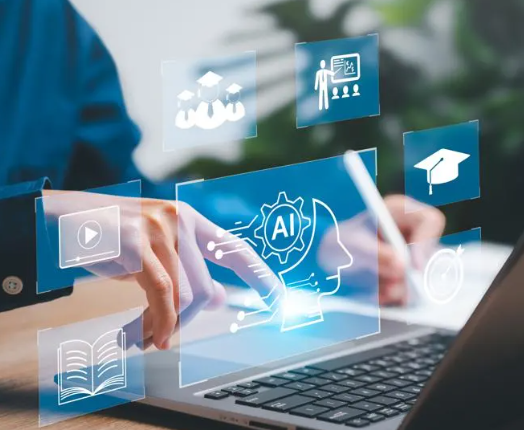
Technology will continue playing an important role in education, but it will function as a supportive tool rather than a replacement for teachers. Artificial intelligence, cloud-based learning platforms, educational applications, and digital collaboration tools can help organize lessons, recommend study resources, and provide immediate feedback. Teachers will remain central to education because they provide encouragement, mentorship, emotional support, and meaningful classroom discussions that technology cannot replace.
Hybrid learning models are expected to become increasingly common. Instead of choosing between traditional classrooms and online education, many institutions will combine both approaches. Students may attend in-person lessons while also accessing digital resources, virtual classrooms, and online assignments. This flexible structure allows learners to benefit from face-to-face interaction while enjoying the convenience and accessibility of digital education.
Critical thinking will become an even greater priority within future education systems. Information is available almost instantly through digital technologies, making the ability to evaluate sources, analyze evidence, and make informed decisions more important than ever. Students will be encouraged to ask thoughtful questions, compare different perspectives, and develop logical conclusions rather than relying solely on memorization. These skills prepare learners to solve complex problems in both personal and professional settings.
Communication skills will also remain at the center of effective education. Students will continue developing writing, speaking, listening, and collaboration abilities through classroom discussions, presentations, group projects, and digital communication. Clear communication strengthens teamwork, leadership, and relationship-building while preparing learners for workplaces that increasingly depend on collaboration across cultures and locations.
Another important feature of next-generation education systems is greater emphasis on practical learning. Students learn most effectively when they can connect academic knowledge to real-life situations. Project-based learning, internships, community partnerships, simulations, and hands-on experiences help learners understand how classroom concepts apply in professional environments. Practical experiences also strengthen confidence and encourage independent thinking.
Creativity and innovation will receive increased attention in future classrooms. Students will be encouraged to develop original ideas, explore different solutions, and apply imagination to meaningful challenges. Creative thinking supports progress across science, engineering, healthcare, business, education, and the arts. Educational systems that encourage creativity help prepare students for careers that require flexibility and innovation.
Digital literacy will become a core skill for learners of all ages. Understanding how to use technology responsibly, evaluate online information, protect personal privacy, and communicate respectfully in digital environments will remain essential. Future education systems will help students become confident users of technology while emphasizing ethical decision-making and responsible online behavior.
Lifelong learning will become a defining characteristic of modern education. Instead of viewing education as something completed during childhood or early adulthood, future systems will encourage continuous skill development throughout life. Online courses, professional certifications, community education programs, and flexible learning opportunities will support people as they adapt to changing careers, technologies, and personal interests.
Assessment methods are also expected to evolve. While examinations will continue to have value, future education systems will increasingly use portfolios, presentations, collaborative projects, research assignments, and practical demonstrations to evaluate student learning. These methods recognize a wider range of talents and encourage students to demonstrate understanding through meaningful applications rather than memorization alone.
Accessibility will remain a major priority. Future education systems will continue improving access for learners with different educational needs through adaptive technologies, speech recognition, text-to-speech systems, captioning, language translation, and customizable learning environments. Inclusive education ensures that every student has the opportunity to participate, learn, and succeed in supportive environments.
Global collaboration will become more common as technology connects students across countries and cultures. Learners may participate in international projects, virtual exchanges, and collaborative research that encourages cultural understanding and global awareness. These experiences help students appreciate different perspectives while preparing them to contribute positively in an interconnected world.
Environmental education will also become increasingly important. Future generations will continue learning about sustainability, renewable energy, conservation, responsible resource management, and environmental stewardship. These subjects encourage informed decision-making and help students understand how individual actions contribute to healthier communities and a more sustainable future.
Emotional well-being will receive greater attention within education systems. Schools increasingly recognize that students perform best when they feel supported, respected, and emotionally secure. Future learning environments may place greater emphasis on resilience, stress management, emotional awareness, healthy relationships, and balanced lifestyles. These skills contribute not only to academic success but also to lifelong personal well-being.
Teachers will continue serving as mentors, guides, and role models despite advances in educational technology. Their ability to motivate students, encourage curiosity, provide constructive feedback, and build positive relationships remains irreplaceable. Technology may simplify administrative tasks and provide additional learning resources, but successful education will continue depending on skilled educators who understand their students’ individual needs.
Families and communities will also play larger roles in education. Strong partnerships between schools, parents, businesses, libraries, and community organizations create richer learning experiences that connect education with everyday life. Mentorship programs, volunteer opportunities, career exploration, and community service help students apply their knowledge while strengthening local communities.
Career preparation will become more flexible as industries continue evolving. Future education systems will encourage students to develop transferable skills that remain valuable across different professions. Adaptability, leadership, communication, creativity, teamwork, and problem-solving will become increasingly important as new careers emerge and existing occupations change through technological innovation.
Artificial intelligence will likely support administrative efficiency and personalized learning, but ethical use of technology will remain essential. Students will continue learning about academic integrity, digital responsibility, privacy protection, and thoughtful use of AI tools. Responsible technology education ensures that innovation supports learning while preserving originality, creativity, and independent thinking.
Perhaps the most important quality encouraged by future education systems will be adaptability. The world is changing faster than ever before, and students will benefit from developing curiosity, resilience, and a willingness to continue learning throughout life. Individuals who remain open to new knowledge and experiences will be better prepared to navigate future opportunities with confidence.
In conclusion, the next generation of education systems will combine technological innovation with the enduring strengths of human teaching to create more flexible, personalized, and inclusive learning experiences. Personalized learning, hybrid education, digital literacy, critical thinking, creativity, practical learning, emotional well-being, and lifelong education will help prepare students for a rapidly changing world. While technology will continue transforming classrooms, the true purpose of education will remain the same: helping individuals develop knowledge, character, confidence, and the ability to contribute positively to their communities. By embracing innovation while preserving the importance of curiosity, compassion, and meaningful human connection, future education systems will create opportunities for learners to succeed both personally and professionally throughout their lives.