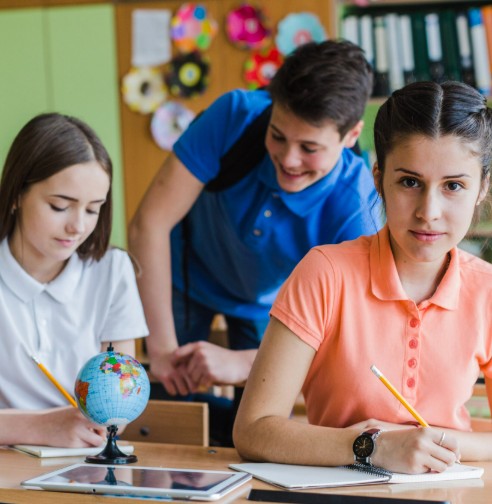
Education is often associated with classrooms, textbooks, examinations, and academic achievement. While these elements are important, the true value of education extends far beyond learning facts and earning qualifications. One of the greatest benefits of education is its ability to help people develop essential life skills that support personal growth, healthy relationships, responsible decision-making, and long-term success. In today’s rapidly changing world, life skills have become just as important as academic knowledge because they help individuals navigate challenges, adapt to new situations, and contribute positively to society. Education plays a crucial role in building these abilities and preparing students for life both inside and outside the classroom.
Life skills are practical abilities that help people manage everyday responsibilities and interact effectively with others. These skills include communication, problem-solving, critical thinking, time management, teamwork, emotional awareness, adaptability, and decision-making. Unlike subject-specific knowledge, life skills can be applied in many different situations throughout life. Education provides opportunities for students to practice and strengthen these abilities in meaningful ways.
One of the most important life skills education helps develop is communication. Students communicate regularly through classroom discussions, presentations, group projects, written assignments, and digital platforms. These experiences teach learners how to express ideas clearly, listen actively, and engage respectfully with others. Strong communication skills are valuable in academic settings, professional environments, and personal relationships. Students who communicate effectively often feel more confident and are better able to collaborate with others.
Education also plays a major role in developing critical thinking skills. In modern learning environments, students are encouraged to analyze information, ask questions, and evaluate ideas rather than simply memorize facts. Critical thinking helps learners understand complex topics, identify reliable information, and make thoughtful decisions. These abilities are especially important in a world where information is widely available and individuals must often determine what is accurate and trustworthy.
Problem-solving is another essential life skill strengthened through education. Students encounter challenges regularly, whether they are completing assignments, working on projects, or navigating everyday responsibilities. Through these experiences, learners practice identifying problems, exploring solutions, and making informed choices. Problem-solving skills help students remain calm and resourceful when facing difficulties, preparing them for future personal and professional situations.
Time management is another valuable life skill developed through educational experiences. Students often balance multiple responsibilities, including classes, assignments, activities, and personal commitments. Learning how to organize schedules, prioritize tasks, and meet deadlines helps students become more productive and responsible. Effective time management reduces stress and supports success both during education and later in professional life.
Education also helps students develop teamwork and collaboration skills. Many learning activities require students to work together toward common goals. Group projects, classroom discussions, and collaborative assignments encourage learners to share ideas, listen to different perspectives, and solve problems collectively. Teamwork teaches respect, cooperation, and flexibility while helping students understand the value of working with others.
Another important life skill nurtured through education is adaptability. The world continues to change because of technology, innovation, and evolving social and economic conditions. Education helps students become more comfortable with change by exposing them to new ideas, experiences, and challenges. Adaptable individuals are often better prepared to learn new skills, adjust to different environments, and respond positively to unexpected situations.
Decision-making is another life skill closely connected to education. Students make choices every day regarding how they study, manage responsibilities, and interact with others. Educational experiences encourage learners to consider consequences, evaluate options, and make thoughtful decisions. Good decision-making supports personal responsibility and helps individuals achieve goals more effectively.
Emotional intelligence is also strengthened through education. Emotional intelligence involves understanding emotions, managing stress, showing empathy, and maintaining healthy relationships. Schools and educational environments often provide opportunities for students to interact with people from different backgrounds and perspectives. These experiences help learners develop self-awareness, patience, and respect for others. Emotional intelligence supports positive relationships and contributes to personal well-being.
Confidence is another important quality that education helps build. As students learn new skills, overcome challenges, and achieve goals, they often develop greater belief in their abilities. Confidence encourages learners to participate actively, take initiative, and approach new opportunities with a positive mindset. Education provides a supportive environment where students can grow gradually and build self-assurance through experience and achievement.
Creativity is also encouraged through educational activities. Students often engage in projects, presentations, discussions, and assignments that require original thinking and innovative ideas. Creativity helps individuals explore different solutions, express themselves effectively, and adapt to changing situations. In modern workplaces and communities, creative thinking is highly valued because it supports innovation and progress.
Another significant life skill developed through education is responsibility. Students learn to manage assignments, meet deadlines, follow instructions, and take ownership of their actions. Responsibility encourages accountability and reliability, qualities that are important in academic, professional, and personal settings. Learning responsibility early helps students prepare for future challenges and obligations.
Education also helps students improve their ability to manage stress. Academic responsibilities often require learners to balance multiple tasks and navigate periods of pressure. Through experience, students learn strategies for organization, focus, and perseverance. These coping skills can help individuals handle future challenges more effectively and maintain emotional well-being.
Leadership skills are another benefit of education. Leadership opportunities may arise through classroom activities, student organizations, group projects, or community involvement. Students who practice leadership learn how to motivate others, make decisions, and take initiative. Leadership skills support confidence, communication, and responsibility while preparing learners for future roles in various settings.
Financial awareness can also be supported through education. Many educational programs introduce students to concepts such as budgeting, saving, and responsible financial planning. Understanding financial principles helps individuals make informed decisions and prepare for greater independence later in life. Financial literacy is an important life skill that contributes to long-term stability and success.
Education encourages lifelong learning, which is another valuable life skill in today’s world. Knowledge and technology continue evolving rapidly, making continuous learning increasingly important. Students who develop curiosity and a positive attitude toward learning are often better prepared to adapt to future changes and opportunities. Lifelong learners remain open to growth and continue improving their skills throughout life.
Cultural awareness is another important benefit of education. Students interact with people from different backgrounds, traditions, and perspectives, helping them develop understanding and respect for diversity. Cultural awareness supports effective communication, cooperation, and global understanding. In an increasingly connected world, these qualities are valuable in both personal and professional environments.
Another life skill strengthened through education is perseverance. Learning often involves overcoming obstacles, correcting mistakes, and continuing to work toward goals despite difficulties. Students who develop perseverance become more resilient and better able to handle setbacks. This ability to persist through challenges supports long-term achievement and personal growth.
Organization is another practical skill that education helps build. Students learn to manage notes, assignments, schedules, and resources effectively. Strong organizational habits improve productivity and reduce stress, making it easier to achieve academic and personal goals. Organized individuals often feel more prepared and confident when facing responsibilities.
Healthy habits are also encouraged through education. Many schools and educational programs promote physical activity, balanced lifestyles, and positive well-being practices. Understanding the importance of health helps students make choices that support long-term wellness and productivity.
In conclusion, education is much more than a process of acquiring academic knowledge. It serves as a foundation for developing essential life skills that support success, well-being, and personal growth. Through educational experiences, students learn communication, critical thinking, problem-solving, teamwork, adaptability, responsibility, and many other valuable abilities. These skills help individuals navigate everyday challenges, build meaningful relationships, and prepare for future opportunities. As the world continues to evolve, the life skills gained through education remain among its most valuable and lasting benefits, helping people lead productive, confident, and fulfilling lives.