Modern education is about much more than learning facts, completing assignments, and achieving high grades. While academic knowledge remains important, today’s students also need a wide range of personal and interpersonal abilities that help them succeed in school, future careers, and everyday life. These abilities are often known as soft skills. In a world shaped by technology, global communication, and constant change, soft skills have become essential for personal development and long-term success. Modern educational systems increasingly recognize that students need both technical knowledge and strong character-based skills to thrive in an evolving society.
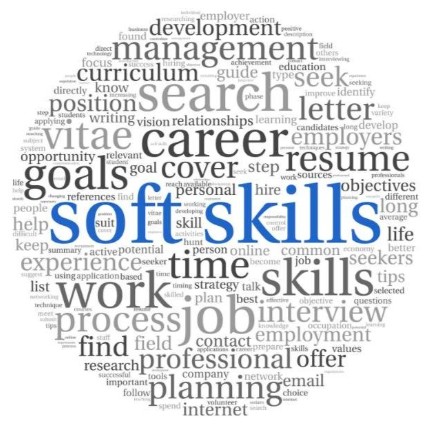
Soft skills are personal qualities and social abilities that influence how individuals interact with others, solve problems, manage responsibilities, and respond to challenges. Unlike technical skills, which are often linked to specific subjects or professions, soft skills can be applied in almost every area of life. Examples include communication, teamwork, adaptability, emotional intelligence, leadership, critical thinking, creativity, and time management. These skills help students navigate both academic environments and future professional settings with greater confidence and effectiveness.
One reason soft skills matter so much in modern education is that they support better communication. Students regularly participate in classroom discussions, presentations, group projects, and written assignments. Strong communication skills allow learners to express their ideas clearly, listen carefully to others, and engage in meaningful conversations. Effective communication also helps students build positive relationships with classmates, teachers, and future colleagues. In many situations, the ability to communicate clearly can be just as valuable as subject knowledge.
Teamwork is another important soft skill developed through education. Modern learning often involves collaborative projects where students work together toward shared goals. Through these experiences, learners develop the ability to cooperate, share responsibilities, and respect different perspectives. Teamwork encourages patience, understanding, and flexibility while helping students appreciate the value of collective effort. As workplaces increasingly depend on collaboration, teamwork remains one of the most important skills students can develop.
Adaptability has also become a crucial soft skill in today’s rapidly changing world. Technology, industries, and educational methods continue evolving, requiring individuals to adjust to new situations and learn new skills throughout life. Students who develop adaptability are often better prepared to handle unexpected challenges and take advantage of emerging opportunities. Education helps learners build this skill by exposing them to different subjects, learning methods, and experiences that encourage flexibility and open-mindedness.
Emotional intelligence is another essential component of soft skills. Emotional intelligence involves understanding emotions, managing stress, showing empathy, and maintaining healthy relationships. Students with strong emotional intelligence are often better equipped to handle academic pressure, communicate effectively, and resolve conflicts respectfully. These abilities support emotional well-being and contribute to a positive learning environment where students feel valued and understood.
Critical thinking is often considered both an academic and a soft skill because it influences how students approach information and make decisions. In the digital age, students have access to vast amounts of information from various sources. Critical thinking helps learners analyze information carefully, identify reliable sources, and evaluate different viewpoints. This skill encourages independent thought and helps students avoid accepting information without reflection. Critical thinkers are often more confident in solving problems and making informed decisions.
Problem-solving skills are closely connected to soft skill development as well. Students face challenges every day, whether related to academic work, personal responsibilities, or social interactions. Education provides opportunities to practice identifying problems, considering solutions, and making thoughtful choices. Strong problem-solving abilities help learners approach challenges calmly and confidently while encouraging persistence and resilience.
Leadership is another valuable soft skill that modern education helps nurture. Leadership does not always mean managing large groups or holding formal positions. It can involve taking initiative, supporting others, making responsible decisions, and contributing positively to group efforts. Students who develop leadership skills often become more confident and capable of handling responsibilities. These qualities can benefit learners throughout their academic journeys and future careers.
Creativity is increasingly recognized as an important soft skill in modern education. Creative thinking encourages students to explore new ideas, approach challenges from different angles, and develop innovative solutions. Creativity supports learning across many subjects and prepares students for a world where innovation and adaptability are highly valued. Educational activities that encourage imagination and exploration help learners build confidence in their ability to generate original ideas.
Time management is another soft skill that significantly influences student success. Managing assignments, projects, examinations, and personal commitments requires organization and planning. Students who learn effective time management are often better able to meet deadlines and reduce stress. This skill helps learners balance responsibilities while maintaining productivity and personal well-being. Good time management habits developed during education often continue benefiting individuals throughout adulthood.
Soft skills also contribute to stronger relationships. Education brings students into contact with people from diverse backgrounds, cultures, and perspectives. Learning how to interact respectfully and understand different viewpoints helps students develop social awareness and empathy. Positive relationships support emotional well-being and create supportive learning environments where collaboration and mutual respect can flourish.
Confidence is another important benefit of soft skill development. Students who communicate effectively, solve problems, and manage responsibilities often feel more capable and self-assured. Confidence encourages participation in classroom activities, presentations, discussions, and leadership opportunities. Over time, this confidence can help students pursue new challenges and opportunities with greater enthusiasm.
Another reason soft skills matter in modern education is their relevance to future careers. Employers increasingly value qualities such as communication, teamwork, adaptability, and problem-solving alongside technical expertise. Many professional roles require employees to collaborate with colleagues, interact with clients, and adapt to changing conditions. Students who develop strong soft skills are often better prepared to succeed in competitive and evolving workplaces.
Digital communication has further increased the importance of soft skills. Students today communicate through emails, virtual meetings, online discussions, and collaborative platforms. Understanding how to communicate respectfully and effectively in digital environments is now an essential part of modern education. Soft skills help learners navigate these interactions professionally and responsibly.
Soft skills also encourage lifelong learning. Individuals who are curious, adaptable, and open to feedback are often more willing to continue learning throughout life. In a world where knowledge and technology evolve rapidly, the ability to learn and adapt remains a valuable advantage. Education helps students develop the mindset needed to embrace continuous growth and improvement.
Resilience is another soft skill that plays an important role in academic and personal success. Challenges, setbacks, and mistakes are natural parts of learning. Students who develop resilience learn how to recover from difficulties and continue moving forward. Resilience encourages perseverance and helps learners maintain motivation during challenging periods.
Educational institutions increasingly integrate soft skill development into classroom activities, projects, discussions, and extracurricular programs. By combining academic learning with opportunities to practice communication, leadership, teamwork, and critical thinking, schools help prepare students for success beyond examinations and grades. This balanced approach reflects the growing understanding that education should support both intellectual and personal development.
The benefits of soft skills extend far beyond the classroom. They influence how individuals manage relationships, solve everyday problems, pursue career opportunities, and contribute to their communities. Strong soft skills help people communicate effectively, collaborate successfully, and respond positively to change. These abilities support personal happiness and professional achievement while encouraging responsible and meaningful participation in society.
In conclusion, soft skills matter in modern education because they help students develop the abilities needed for success in a rapidly changing world. Communication, teamwork, adaptability, emotional intelligence, critical thinking, creativity, leadership, and time management all contribute to personal growth and long-term achievement. While academic knowledge remains important, soft skills provide the foundation for applying that knowledge effectively in real-life situations. By developing these essential qualities through education, students become more confident, capable, and prepared to navigate future opportunities and challenges with success and resilience.