Academic and career success depend on much more than grades or technical knowledge alone. In today’s fast-changing world, students and professionals need a combination of personal, social, and practical skills to grow confidently and adapt to new opportunities. Modern education and workplaces value individuals who can communicate clearly, solve problems, work with others, and continue learning throughout life. Developing essential skills early helps students perform better academically while also preparing for future careers and personal growth. Understanding the most important skills for long-term success can guide learners toward stronger confidence, productivity, and achievement.
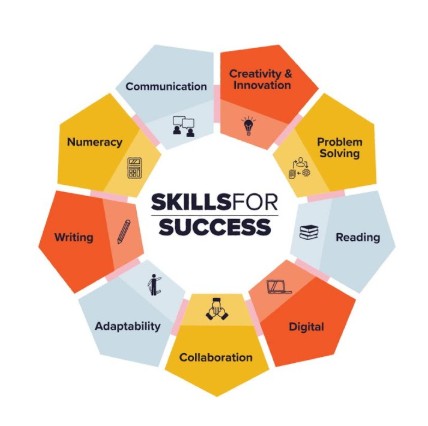
One of the most important skills for academic and career success is communication. Strong communication allows students to express ideas clearly, participate confidently in discussions, and build positive relationships with teachers, classmates, and future colleagues. Communication includes speaking, writing, listening, and digital interaction. Students who communicate effectively are often better prepared for presentations, teamwork, interviews, and leadership opportunities. Clear communication also helps prevent misunderstandings and supports stronger collaboration in both educational and professional settings.
Critical thinking is another essential skill for modern success. Students today are surrounded by information from many sources, especially online platforms and digital media. Critical thinking helps learners analyze information carefully, ask thoughtful questions, and make informed decisions. Instead of accepting information without reflection, critical thinkers evaluate ideas logically and consider different perspectives. This skill improves problem-solving abilities and supports better decision-making in both academic work and everyday life.
Problem-solving skills are equally important for students preparing for future careers. Challenges and unexpected situations are common in education and professional environments. Students who can approach problems calmly and creatively often perform better under pressure and adapt more effectively to change. Problem-solving encourages independent thinking and helps learners develop confidence in finding practical solutions to difficult situations.
Time management is another valuable skill that supports productivity and balance. Many students struggle with assignments, deadlines, and responsibilities because they do not manage their schedules effectively. Strong time management helps learners organize tasks, prioritize goals, and reduce unnecessary stress. Students who plan ahead and use time wisely often experience stronger academic performance and healthier routines. In future careers, time management remains essential for meeting deadlines and maintaining professional reliability.
Adaptability has become increasingly important in a rapidly changing world. Technology, industries, and educational systems continue evolving, and students who remain flexible often adjust more successfully to new situations. Adaptable individuals are willing to learn new skills, explore different approaches, and respond positively to change. This quality supports lifelong learning and prepares students for careers that may continue changing over time.
Digital literacy is another essential skill in modern education and workplaces. Technology now influences communication, research, collaboration, and learning in almost every field. Students need to understand how to use digital tools, online platforms, and educational resources responsibly and effectively. Digital literacy also includes recognizing reliable information, protecting online privacy, and maintaining healthy technology habits. Students who develop strong digital confidence are often better prepared for modern professional environments.
Teamwork and collaboration are also critical for academic and career success. Many school projects and workplace responsibilities require people to cooperate with others toward shared goals. Students who work well in teams learn how to communicate respectfully, share responsibilities, and solve problems together. Collaboration also helps learners gain new perspectives and improve interpersonal skills that are valuable throughout life.
Emotional intelligence is another important quality for success. Emotional intelligence includes understanding emotions, managing stress, showing empathy, and maintaining healthy relationships. Students with strong emotional awareness often communicate more effectively and handle challenges with greater patience and resilience. Emotional intelligence also supports leadership and teamwork because it encourages understanding, kindness, and respectful interaction with others.
Leadership skills are valuable for students even before entering professional careers. Leadership is not only about managing groups or holding positions of authority. It also involves responsibility, confidence, communication, and positive influence. Students who practice leadership often become more comfortable making decisions, organizing activities, and supporting others. Leadership experiences help learners build confidence and prepare for future responsibilities in both academic and professional settings.
Creativity is another skill that supports innovation and personal growth. Creative thinking helps students explore ideas from different perspectives and discover original solutions to problems. Creativity is valuable not only in artistic fields but also in business, technology, communication, and science. Students who remain curious and open-minded often become more adaptable and capable of handling complex challenges in modern environments.
Self-discipline is also essential for achieving long-term goals. Students who develop discipline are often better at maintaining routines, completing assignments on time, and staying focused during difficult periods. Self-discipline encourages persistence and helps learners continue improving even when motivation changes. Building discipline through small daily habits often leads to stronger academic performance and professional reliability over time.
Another important skill is lifelong learning. Education no longer ends after graduation because industries, technologies, and knowledge continue changing rapidly. Students who remain willing to learn new skills throughout life are often better prepared for future opportunities and career development. Lifelong learners stay curious, adaptable, and motivated to improve themselves personally and professionally.
Reading comprehension is another valuable ability connected to academic and career success. Strong reading skills help students understand information more clearly, analyze ideas thoughtfully, and improve communication abilities. Reading regularly also expands vocabulary and exposes learners to different perspectives and experiences. Good reading habits support learning in almost every subject and profession.
Financial awareness is becoming increasingly important for modern students as well. Understanding budgeting, saving, and responsible financial planning helps individuals make informed decisions and prepare for future independence. Financial literacy supports long-term stability and helps students manage personal responsibilities more confidently as they move into adulthood and professional life.
Confidence is another important quality connected to success. Students who believe in their ability to improve through effort often approach challenges more positively and participate more actively in learning opportunities. Confidence encourages communication, leadership, creativity, and persistence. Over time, confidence grows through experience, practice, and continuous personal growth.
Healthy lifestyle habits also contribute significantly to academic and career success. Physical health, sleep, exercise, and emotional well-being influence concentration, productivity, and motivation. Students who maintain balanced routines are often better prepared to manage responsibilities and remain focused during demanding periods. Healthy habits support both personal well-being and long-term performance.
Patience and resilience are equally important for success. Challenges, mistakes, and setbacks are natural parts of learning and professional growth. Students who remain patient and continue improving despite difficulties often become stronger and more confident over time. Resilience helps learners recover from disappointment and maintain motivation even during stressful situations.
Cultural awareness is another valuable skill in today’s globalized world. Students increasingly interact with people from different cultures, backgrounds, and perspectives through education, technology, and future workplaces. Respecting diversity and understanding different viewpoints encourage stronger communication and cooperation. Cultural awareness also prepares students for international opportunities and global professional environments.
Organization skills are also important for maintaining productivity and reducing stress. Keeping schedules, notes, assignments, and responsibilities organized helps students stay focused and efficient. Organized learners often manage time more effectively and feel more confident handling multiple responsibilities.
In conclusion, academic and career success require a combination of practical, emotional, and personal skills that support growth in education and future professional environments. Communication, critical thinking, problem-solving, adaptability, digital literacy, teamwork, emotional intelligence, creativity, leadership, and lifelong learning are all essential for long-term success. Students who continue developing these skills while maintaining healthy habits and positive attitudes are often better prepared for changing opportunities and challenges. By focusing on continuous improvement and balanced personal growth, learners can build confidence, resilience, and meaningful success throughout life.