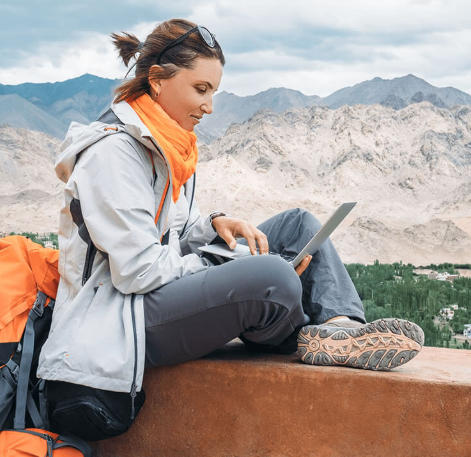
Remote learning has transformed the way people approach education. In the past, studying often required traveling to a classroom, following a strict schedule, and learning in a fixed location. Today, technology has opened new possibilities that allow students to learn from nearly anywhere in the world. Whether someone is at home, in a library, at a quiet café, or even traveling, remote learning provides the flexibility to continue building knowledge and skills.
One of the most appealing aspects of remote learning is freedom of location. Traditional classrooms require students to be physically present at a certain place and time. Remote learning removes many of these limitations by allowing lessons, lectures, and study materials to be accessed online. As long as learners have an internet connection and a suitable device, they can participate in their courses from a location that feels comfortable and convenient.
This flexibility can make education more accessible for many people. Students who live far from educational institutions may find it difficult to attend in-person classes regularly. Remote learning offers a practical solution by bringing educational resources directly to the learner. Instead of commuting long distances, students can focus their time and energy on understanding the material and completing their assignments.
Another advantage of studying remotely is the ability to design a personal learning environment. Everyone learns differently, and the traditional classroom may not always match a student’s preferred style of study. Remote learning allows individuals to create a space that supports their concentration. Some learners prefer complete quiet, while others focus better with gentle background sounds. Being able to adjust lighting, seating, and surroundings can make studying more comfortable and productive.
Remote learning also supports flexible scheduling. Many online programs offer recorded lectures, digital textbooks, and online discussion forums that students can access at different times of the day. This flexibility can be especially helpful for people who balance education with work, family responsibilities, or other commitments. Instead of trying to fit their life around a fixed class schedule, learners can arrange their study sessions in ways that match their daily routine.
Technology plays a central role in making remote learning possible. Online platforms allow instructors to share lectures, assignments, and feedback with students quickly and efficiently. Video conferencing tools enable live discussions and virtual classrooms where learners can interact with teachers and classmates in real time. These digital tools help create a sense of connection and collaboration, even when participants are in different locations.
Another benefit of remote learning is the wide range of courses and subjects available online. Students are no longer limited to the programs offered by nearby schools. Instead, they can explore courses from institutions around the world. This expanded access allows learners to pursue topics that truly interest them and develop skills that support their personal or professional goals.
Studying from anywhere also encourages greater independence and self-discipline. Remote learning often requires students to manage their time effectively and stay organized. While this may feel challenging at first, it can help learners develop valuable habits that benefit many areas of life. Planning study sessions, setting goals, and maintaining consistent progress are skills that support long-term success both academically and professionally.
Communication is another important part of the remote learning experience. Online discussion boards, messaging systems, and virtual meetings allow students to ask questions and share ideas with instructors and classmates. These interactions create opportunities for collaboration and deeper understanding of course topics. Even though participants may not be in the same physical space, meaningful learning communities can still form through digital communication.
Remote learning can also reduce certain pressures associated with traditional classroom settings. Some students feel more comfortable participating in discussions or asking questions in an online environment. Digital platforms often allow time to reflect before responding, which can encourage thoughtful engagement with the material.
Another advantage is the ability to revisit learning materials. Many online courses provide recorded lectures or downloadable resources that students can review multiple times. If a concept feels difficult, learners can pause, rewind, and study the information at their own pace. This approach supports deeper understanding and helps students build confidence as they progress through the course.
Of course, studying remotely also requires good habits to remain effective. Creating a consistent study routine, minimizing distractions, and maintaining clear communication with instructors are important steps for success. Establishing a dedicated study space can help signal to the brain that it is time to focus. Simple strategies like setting daily goals or organizing study materials can also improve productivity.
Healthy balance is equally important in remote learning. Because studying can take place anywhere, it may sometimes feel like work and personal time blend together. Taking regular breaks, getting enough rest, and staying physically active help maintain mental clarity and overall well-being.
Remote learning continues to grow as technology advances and educational opportunities expand. Many institutions now offer hybrid or fully online programs designed to support learners from different backgrounds and lifestyles. This approach recognizes that education does not need to happen only inside a classroom to be effective.
The ability to study from anywhere represents a powerful shift in how knowledge is shared and accessed. Remote learning allows students to explore new ideas, develop valuable skills, and pursue educational goals without being limited by geography. By combining flexible schedules, digital resources, and supportive learning communities, online education creates opportunities for people to learn in ways that fit their lives.
As more learners discover the benefits of remote education, studying from anywhere is becoming a normal part of modern learning. With the right mindset, reliable technology, and thoughtful study habits, remote learning can open doors to knowledge and personal growth no matter where a student chooses to learn.