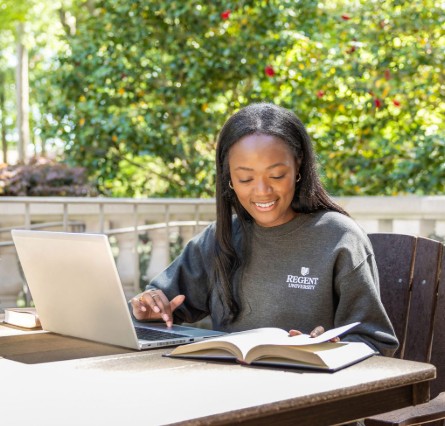
Education is an important part of personal growth, but learning does not have to take place only in a classroom. Some of the most meaningful lessons can come from everyday experiences, outdoor activities, community projects, travel, and conversations with other people. Learning outside the classroom allows students to connect what they study with the world around them, making knowledge more practical, interesting, and memorable.
Classroom lessons provide an essential foundation by introducing concepts, explaining theories, and developing academic knowledge. However, real-life experiences can help students understand how that knowledge is used in different situations. Visiting a museum, observing nature, helping with a community activity, or participating in a practical project can turn abstract ideas into something students can see and experience for themselves.
Learning beyond traditional classrooms also encourages curiosity, creativity, independence, and cooperation. These abilities can support academic progress while preparing young people for everyday responsibilities and future opportunities. By understanding the value of learning outside the classroom, students, parents, and educators can discover new ways to make education more engaging and useful.
Connecting Classroom Knowledge With Real Life
One of the main benefits of learning outside the classroom is that it helps students connect academic concepts with real-world experiences. Information can sometimes be difficult to understand when it is presented only through textbooks or written explanations. Seeing how a concept works in practice can make the lesson clearer.
For example, students studying plants may understand photosynthesis more easily after observing how different plants grow under various conditions. A mathematics lesson about measurements can become more meaningful when students measure objects during a practical activity. Similarly, visiting a historical site can help learners understand the people, architecture, and events discussed in history lessons.
These experiences help students recognize that academic knowledge is not separate from everyday life. Mathematics can be used when planning a budget, science can explain natural events, and communication skills are useful when working with others.
Applying knowledge in different situations can also reveal areas that need further attention. A student may understand an idea in theory but discover that using it practically requires additional practice. This creates a valuable opportunity to ask questions, review information, and strengthen understanding.
Encouraging Curiosity and Active Learning
Learning outside the classroom can encourage students to become more curious about the world. Instead of simply receiving information, they have opportunities to observe, investigate, ask questions, and discover explanations.
A visit to a nature area, for instance, may lead students to wonder why certain plants grow in one location but not another. Exploring a science museum may inspire questions about electricity, space, or technology. These experiences can motivate learners to explore subjects beyond the original lesson.
Curiosity is valuable because it encourages people to seek knowledge independently. Students who become interested in a topic may choose to read more about it, watch educational demonstrations, or carry out simple investigations with appropriate guidance.
Active learning also gives students a more direct role in the educational process. They can compare observations, discuss possible explanations, and reflect on what they discover. This makes learning a process of exploration rather than simply memorizing facts.
Educators and families can support this curiosity by welcoming questions and encouraging students to investigate ideas safely. Not every question will have an immediate answer, but exploring possible explanations can be an important part of developing a lifelong interest in learning.
Developing Practical Skills and Independence
Many activities outside the classroom help students develop practical skills that are useful in everyday life. Planning a visit, organizing materials for a project, preparing a simple meal, or participating in a community activity can provide opportunities to practice responsibility and decision-making.
These experiences allow students to apply knowledge in situations where they must consider different details. For example, organizing a school activity may involve preparing a schedule, estimating costs, sharing responsibilities, and making sure necessary materials are available.
Such tasks encourage learners to think ahead and understand the consequences of their choices. They may also discover that successful results often require preparation, cooperation, and attention to detail.
Learning outside the classroom can gradually build independence because students have opportunities to make decisions within a suitable level of supervision. When a task does not go as expected, they can consider what happened and decide how to improve their approach next time.
These skills can support students as they grow older and take on new responsibilities. Practical learning does not replace formal education, but it helps students use their academic knowledge in ways that prepare them for real-life situations.
Strengthening Communication and Teamwork
Many learning experiences beyond the classroom involve interacting with other people. Group projects, educational visits, sports activities, volunteer work, and community events can help students improve communication and teamwork.
When students work together, they need to share ideas, listen carefully, divide responsibilities, and coordinate their efforts. These experiences help them understand that different people may contribute different strengths to a shared task.
For example, a group conducting a local environmental observation project might assign different responsibilities to each participant. Some students may record information, others may organize materials, and others may present the group’s findings. Completing the activity requires cooperation and clear communication.
Working with others can also help students practice managing disagreements respectfully. Different opinions are normal, but discussing them thoughtfully can lead to better understanding and more effective decisions.
Learning activities that involve different age groups or members of the community can also introduce students to new perspectives. They may develop greater appreciation for other people’s experiences and ways of thinking.
By practicing communication and teamwork outside the classroom, students can strengthen skills that will be valuable in further education, future careers, and everyday relationships.
Supporting Creativity and Problem-Solving
Learning outside the classroom often presents situations that require students to think creatively. Real-world activities may not always follow a fixed sequence, which encourages learners to explore alternatives and consider different solutions.
For example, students building a simple model may discover that their original design does not work as expected. They can examine the problem, discuss possible changes, and test a revised approach. This process encourages them to think carefully rather than give up when the first attempt is unsuccessful.
Creative activities such as photography, gardening, art projects, and nature observation can also provide opportunities to explore ideas in different ways. Students may notice details, identify patterns, or develop original ways to communicate what they have learned.
Problem-solving becomes especially useful when learners must work with limited materials or adapt to changing conditions. They learn to consider what is available, identify the main challenge, and select a practical approach.
These experiences can help students understand that mistakes are often part of the learning process. Reviewing an unsuccessful attempt may provide information that leads to a better result.
By combining creativity with observation and critical thinking, learning outside the classroom can help students develop a more flexible approach to academic and everyday challenges.
Building Environmental Awareness
Outdoor learning provides a valuable opportunity for students to understand the natural environment. Observing trees, plants, insects, rivers, soil, and weather can help learners recognize how living things interact with their surroundings.
For example, a visit to a garden may help students understand the importance of sunlight, water, and soil for plant growth. Observing a local waterway can introduce discussions about water quality, pollution, and the importance of protecting natural habitats.
These experiences can make environmental topics more concrete. Students may better understand why waste should be disposed of properly or why some plants and animals depend on specific habitats.
Learning about nature can also encourage students to appreciate their local environment. A nearby park or community garden may provide opportunities to observe seasonal changes and discover different forms of life.
Outdoor learning should be planned with appropriate safety measures and respect for the environment. Students should follow local rules, avoid disturbing wildlife, and leave natural areas as they found them.
By combining observation with reliable information, educators can help students develop environmental awareness and understand how their actions may affect the world around them.
Improving Memory and Making Learning More Enjoyable
Learning experiences that involve observation, movement, discussion, and practical activity can help students connect information with meaningful experiences. These connections may make certain concepts easier to understand and remember.
For example, a student who visits a museum and sees historical objects may remember the related lesson more clearly because the information is connected to a specific experience. Similarly, carrying out a simple science investigation can help learners remember the steps involved and understand why the results occurred.
Different students learn in different ways, so outdoor and practical activities should complement a variety of teaching methods rather than replace classroom instruction entirely. Reading, listening, discussion, practice, and reflection all have important roles in education.
Enjoyment can also encourage students to participate more actively. When learning involves exploration and practical discovery, students may become more willing to ask questions and engage with a subject.
After an activity, teachers can help students reflect on what they observed and connect it to the original lesson. This follow-up is important because it turns an interesting experience into structured learning and reinforces the knowledge gained.
Preparing Students for Future Careers
Learning beyond the classroom can help students discover interests and abilities that may influence their future career choices. Practical experiences allow them to explore activities that may not be fully represented in ordinary lessons.
A visit to a science center might inspire an interest in engineering or research. Helping organize a community event could introduce students to planning, communication, or project coordination. Participating in gardening activities may encourage curiosity about agriculture, environmental science, or plant care.
These experiences can help students recognize their strengths and identify subjects they would like to study further. They may also develop transferable skills such as problem-solving, responsibility, time management, and teamwork.
Career exploration does not need to begin with a firm decision about a future occupation. Instead, students can use different learning opportunities to understand what they enjoy, what they find challenging, and which skills they may want to develop.
By combining academic education with practical experiences, students can build a broader understanding of the world of work and prepare more thoughtfully for future opportunities.
How Families and Educators Can Encourage Learning Beyond the Classroom
Supporting learning outside the classroom does not always require expensive trips or specialized facilities. Many useful experiences are available in everyday surroundings, including public parks, libraries, markets, gardens, museums, and community spaces.
Families can encourage children to ask questions while cooking, shopping, walking outdoors, or working on simple household projects. These activities can introduce concepts involving measurement, planning, nature, and communication.
Teachers can also organize practical assignments, guided observations, educational visits, and group projects that connect directly with classroom topics. When such activities have clear learning objectives, students are more likely to understand what they are expected to discover.
It is important to consider students’ ages, abilities, interests, and safety needs when planning activities. Providing suitable guidance allows students to explore and make decisions while ensuring that the experience remains appropriate.
Afterward, learners can discuss their observations, record what they discovered, or explain how the activity connects to a subject they are studying. This reflection helps reinforce understanding and identifies questions that may be explored further.
With thoughtful planning, learning beyond the classroom can become a regular and accessible part of education.
Conclusion
Learning outside the classroom is valuable because it connects academic knowledge with real experiences and helps students develop practical abilities. It encourages curiosity, strengthens communication and teamwork, supports creativity, and provides opportunities to explore the natural world and discover new interests.
These experiences can also help students understand how their knowledge applies to everyday responsibilities and future career possibilities. By observing, experimenting, cooperating, and reflecting, learners become active participants in their education.
Classroom instruction remains an important foundation, but practical experiences can add depth and meaning to what students learn. Families, educators, and communities can support this process through simple activities that encourage exploration and thoughtful questions.
Learning does not end when a lesson finishes or a school day comes to a close. Every new experience can provide an opportunity to discover something useful. By embracing learning both inside and outside the classroom, students can develop broader knowledge, stronger life skills, and a lasting interest in understanding the world around them.