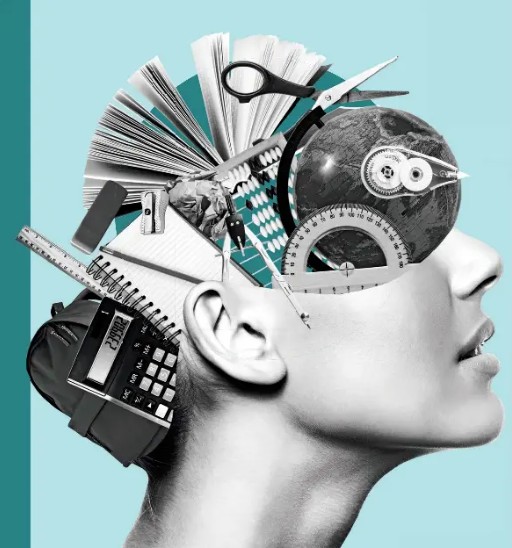
Creativity is an important skill that can help people grow professionally, solve problems, and discover new opportunities. Although creativity is often associated with artists, designers, and writers, it is useful in almost every career. Teachers use creative approaches to explain difficult subjects, business professionals develop fresh ideas to improve services, and technology workers look for innovative ways to solve technical challenges. In each situation, creativity helps people explore possibilities and find approaches that may not be immediately obvious.
Career success depends on many factors, including knowledge, experience, communication, and consistent effort. Creativity can complement these qualities by encouraging people to think differently, adapt to change, and improve the way they work. It does not always involve inventing something completely new. Sometimes, creativity simply means finding a better way to complete a familiar task or making an existing process easier to understand.
By developing creative thinking, individuals can become more flexible, resourceful, and prepared for different professional situations. Understanding how creativity supports career success can help students, employees, and business owners recognize its value and discover practical ways to use it in everyday work.
Understanding Creativity in the Workplace
Creativity involves generating ideas, exploring different possibilities, and finding useful ways to approach tasks or challenges. In professional environments, it can appear in many forms, from designing a new product to organizing a project more efficiently.
For example, an employee who notices that a routine process takes too much time might suggest a simpler method. A teacher may introduce a practical activity to help students understand a complicated concept. A customer service representative might develop a clearer way to explain information so that customers can make better decisions.
These examples demonstrate that creativity is not limited to artistic expression. It also involves observation, curiosity, and a willingness to consider alternatives. Creative thinking can help people recognize opportunities for improvement in situations they encounter every day.
Creativity is also different from making random changes. Effective ideas need to fit the problem, available resources, and intended outcome. A creative solution is most useful when it addresses a real need and can be applied in a practical way.
When employees understand this broader meaning of creativity, they can recognize opportunities to use it regardless of their job title or professional background.
Improving Problem-Solving Abilities
One of the most valuable ways creativity supports career success is by improving problem-solving. Workplaces regularly face challenges involving time, resources, customer needs, or changing expectations. Sometimes, the usual approach may not produce the desired result, making it helpful to consider alternatives.
Creative thinking encourages people to examine a problem from different angles. Instead of immediately accepting the first solution, they can identify the underlying issue, explore possible approaches, and evaluate which option is most suitable.
For instance, a team that struggles to meet project deadlines might review how responsibilities are assigned. By rearranging certain tasks, improving communication, or introducing a clearer tracking system, the team may find a more efficient way to complete its work.
Creativity also encourages people to learn from unsuccessful attempts. When an idea does not produce the expected result, reviewing what happened can reveal useful information for future decisions. This process allows individuals to adjust their methods instead of repeating the same approach without reflection.
Strong problem-solving does not require every idea to be successful. It involves staying curious, evaluating available information, and continuing to explore practical solutions when circumstances are challenging.
Encouraging Innovation and Improvement
Innovation often begins with creative thinking. Businesses and organizations need to improve their products, services, and processes to respond to changing needs. Employees who can suggest useful ideas may help their teams identify new opportunities and improve everyday operations.
Innovation does not always involve major technological developments or expensive projects. A small change in how information is organized, how customers are assisted, or how a team schedules its work can make a meaningful difference.
For example, an office employee might create a clearer document template that reduces repeated work. A shop manager could reorganize product information to help customers find what they need more easily. A marketing professional might test a new way of presenting information to a particular audience.
These improvements often begin with noticing a problem and asking whether there is a better approach. Employees who pay attention to everyday challenges may discover opportunities that are easy to overlook when routines are followed without question.
Organizations can encourage innovation by creating an environment where people feel comfortable sharing thoughtful suggestions. When ideas are considered fairly and tested appropriately, creativity can become part of ongoing improvement rather than an occasional activity.
Strengthening Adaptability in a Changing Career
Modern workplaces can change as technology develops, customer expectations shift, and industries introduce new processes. Creativity can help professionals respond to these changes by encouraging them to explore unfamiliar methods and reconsider established habits.
An employee who is comfortable thinking creatively may find it easier to adjust when a familiar process becomes less effective. Rather than assuming that the old method must always be used, the employee can explore alternatives and identify skills that may be needed for the new situation.
Adaptability is especially useful when people take on new responsibilities or move into unfamiliar roles. They may need to apply existing knowledge in different ways, learn from colleagues, or develop new approaches to complete their work.
Creativity also helps individuals recognize that a challenge can offer an opportunity to learn. A new project may require them to work with different people, explore unfamiliar tools, or consider ideas they would not normally encounter.
Being adaptable does not mean changing direction without a clear reason. It means understanding what the situation requires and being willing to adjust when a thoughtful change can lead to better results.
Supporting Communication and Teamwork
Creativity can strengthen teamwork by encouraging people to share ideas and consider different perspectives. When employees work together, each person brings individual knowledge and experience. Combining these viewpoints can lead to solutions that one person might not discover independently.
For example, a team planning a presentation may have different ideas about how to organize information. One member might focus on the main message, another may suggest a more engaging visual structure, and a third may identify questions that the audience is likely to ask. Discussing these ideas can help the team develop a clearer and more effective presentation.
Creative collaboration requires respectful communication. Team members need to explain their suggestions clearly, listen carefully, and remain open to useful feedback. Not every idea will be appropriate, but considering alternatives can help the group evaluate its options more thoroughly.
It is also important to make space for quieter team members to contribute. Some people need time to organize their thoughts before sharing them, and written suggestions or smaller discussions may help them express their ideas.
When creativity and teamwork are combined, employees can learn from one another while working toward a common goal. This can improve both the quality of the work and the experience of collaborating with others.
Building Confidence and Professional Independence
Developing creativity can help people become more confident in their ability to contribute ideas and handle unfamiliar tasks. When individuals practice exploring alternatives and explaining their reasoning, they may become more comfortable participating in discussions and suggesting improvements.
Confidence grows through experience. Someone who is new to a role might initially hesitate to offer a suggestion because they are unsure whether it will be useful. With practice, feedback, and a supportive working environment, that person may become more comfortable sharing ideas and learning from the response.
Creativity also supports professional independence. Employees who can identify problems and consider possible solutions may be better prepared to manage routine challenges without waiting for detailed instructions at every stage.
However, independence does not mean working without guidance. Asking questions, confirming expectations, and seeking input from experienced colleagues remain important. Creative thinking is most effective when it is combined with sound judgment and an understanding of professional responsibilities.
By learning to develop and evaluate their ideas, individuals can become more active contributors to their teams and more confident in their professional abilities.
Developing Creativity Through Continuous Learning
Creativity can be strengthened through practice and exposure to new ideas. People do not need to wait for inspiration to appear naturally. They can develop creative thinking by learning about different subjects, observing how others approach problems, and experimenting with practical activities.
Reading, taking courses, exploring new technology, and participating in discussions can introduce people to ideas they may not encounter in their normal routines. These experiences can help them connect knowledge from different areas and apply it to their work.
Reflection is also useful. After completing a project, individuals can consider which methods worked well, which parts were difficult, and what might be improved next time. This helps turn experience into information that can guide future efforts.
It can also be helpful to record ideas when they arise, even when they cannot be used immediately. Reviewing these notes later may reveal useful connections or potential improvements.
The most effective approach is to practice creativity without expecting every attempt to produce a successful outcome. Some ideas will be more practical than others, and testing them carefully can help identify which ones are worth developing further.
Applying Creativity to Career Development
Creativity can support long-term career development when individuals use it to identify meaningful goals and explore ways to reach them. Someone interested in advancing professionally might look for opportunities to improve an existing process, take on a new project, or develop a skill that complements their current experience.
For example, an employee interested in leadership could explore different ways to organize team activities or improve the sharing of information. A person working in a creative field might develop a portfolio of projects that demonstrates both technical ability and original thinking.
Career development also involves understanding the needs of a particular industry. Creative ideas are more effective when they are supported by relevant knowledge, realistic planning, and an understanding of the people who will use or benefit from the work.
It is useful to seek feedback from supervisors, colleagues, or mentors who can offer practical perspectives. Their suggestions may help individuals refine their ideas and understand how creative abilities can be applied more effectively.
Creativity alone does not guarantee promotion or professional recognition, but it can complement experience, communication, reliability, and technical skills. When these qualities work together, individuals may become better prepared to pursue opportunities that match their goals.
Conclusion
Creativity can support career success by improving problem-solving, encouraging innovation, strengthening teamwork, and helping professionals adapt to change. It also offers opportunities to build confidence, develop independence, and discover better ways to approach everyday responsibilities.
Creativity is not limited to a particular industry or personality type. It can be practiced by anyone who is willing to ask questions, explore alternatives, learn from experience, and consider how familiar tasks might be improved.
The most useful creative ideas are often those that address real needs and produce practical results. By combining imagination with knowledge, careful evaluation, and consistent effort, individuals can turn ideas into meaningful improvements.
Developing creativity is an ongoing process rather than a skill that must be mastered all at once. Through continuous learning, collaboration, and reflection, people can strengthen their creative abilities and apply them throughout their careers. This approach can help them remain flexible, contribute useful ideas, and prepare for new professional opportunities over time.


