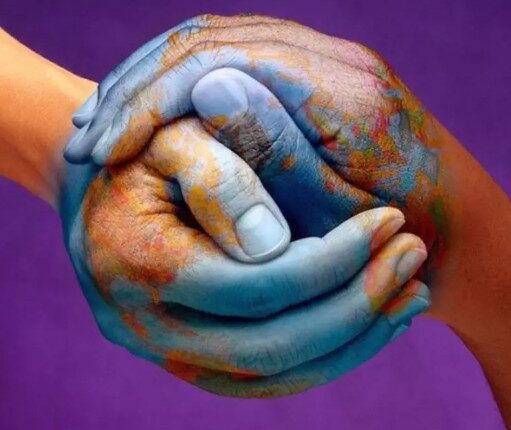
Clean water is one of the most valuable resources on Earth. People depend on it every day for drinking, preparing food, washing, growing crops, and maintaining clean living environments. Water also supports plants, animals, and the natural ecosystems that make life possible. Although water covers a large part of the planet, not all water is suitable for drinking or everyday use without appropriate treatment. Understanding the importance of clean water helps individuals appreciate this essential resource and recognize why protecting it should be a shared responsibility.
Access to clean water can influence health, education, economic activities, and the overall quality of life in a community. When people understand where water comes from, how it becomes contaminated, and how it can be conserved, they are better prepared to make responsible choices. Learning about clean water is therefore not only an environmental topic but also an important part of everyday knowledge.
Why Clean Water Is Essential for Daily Life
Water is involved in almost every part of daily living. People use it to drink, prepare meals, clean household items, wash clothes, and maintain personal hygiene. Clean water helps these activities take place safely and conveniently.
The human body needs water to support normal functions, including regulating temperature, transporting nutrients, and maintaining fluid balance. Drinking water that is safe for consumption is an important part of a healthy daily routine. Having reliable access to clean water also makes it easier for families to prepare food and maintain comfortable living conditions.
Clean water is equally important in homes, schools, workplaces, and public spaces. Schools need safe water for drinking and sanitation, while restaurants and food businesses depend on suitable water supplies for food preparation and cleaning. Without reliable access, ordinary tasks can become more difficult and time-consuming.
Understanding these everyday uses helps explain why clean water should never be taken for granted. Protecting water quality and maintaining dependable water supplies are important steps toward supporting stronger, more comfortable communities.
The Connection Between Clean Water and Good Health
Water quality plays an important role in public health. Water contaminated by harmful microorganisms, chemicals, or other pollutants can create health risks when it is consumed or used for activities that expose people to contaminants. Reliable access to safe drinking water helps reduce these risks and supports good hygiene practices.
Washing hands with clean water and soap is a simple example of how water contributes to everyday cleanliness. Clean water is also important for washing fruits and vegetables, preparing meals, and cleaning surfaces used for food preparation. When safe water is readily available, people can maintain these routines more easily.
However, water that looks clear is not necessarily safe to drink. Some contaminants cannot be detected by sight, smell, or taste. For this reason, water safety depends on its source, treatment, storage, and handling rather than appearance alone.
Households should follow reliable local guidance about drinking water, especially when using private wells, collecting rainwater, or relying on supplies that may be affected by flooding or other disruptions. Understanding the importance of water quality encourages people to take sensible precautions rather than relying on assumptions.
Clean Water Supports Children and Education
Access to clean water can make a meaningful difference in educational environments. Students need safe drinking water throughout the school day, along with suitable toilets and handwashing facilities. These basic services help create a cleaner and more comfortable place to learn.
When schools have dependable water supplies, students and teachers can focus more easily on classroom activities instead of dealing with avoidable water-related difficulties. Good sanitation facilities also help schools maintain a more suitable learning environment.
Water education can benefit students in another important way. Learning about the water cycle, pollution, conservation, and water treatment helps young people understand how natural resources support communities. These lessons can encourage curiosity and teach practical habits that continue into adulthood.
Families can reinforce this knowledge at home by discussing where household water comes from and why it should be used carefully. Simple activities, such as measuring water use during daily routines or observing how rainwater flows through the environment, can help make the topic more engaging.
By making clean water part of everyday education, communities can help younger generations develop a stronger understanding of environmental responsibility.
The Importance of Clean Water for Agriculture and Food
Agriculture depends heavily on water. Farmers use it to grow crops, maintain livestock, and support many activities involved in food production. When suitable water is available, agricultural communities can manage their operations more effectively and help supply food to local markets.
Water quality matters because polluted supplies may introduce unwanted substances into agricultural environments. The effects depend on the type of contamination, how the water is used, and the crops or animals involved. Managing water sources carefully can help protect agricultural productivity and the quality of food.
Clean water also plays an important role after crops are harvested. It may be used to wash produce, clean equipment, and maintain appropriate conditions during food preparation and processing. Suitable water management can therefore contribute to several stages of the food supply chain.
As communities grow and demand for food increases, responsible water use becomes even more important. Efficient irrigation methods, careful maintenance of water systems, and protection of nearby rivers and groundwater can help farmers make better use of available resources.
Understanding this connection reminds us that water conservation is linked not only to household needs but also to the reliable production of food.
How Clean Water Protects the Environment
Rivers, lakes, wetlands, groundwater, and oceans are connected to natural processes that support plants and animals. Freshwater ecosystems provide habitats for fish, insects, amphibians, birds, and many other organisms. When water becomes polluted, these habitats can be damaged, affecting the species that depend on them.
Pollution can enter water systems through different sources, including improperly managed waste, agricultural runoff, industrial discharge, and litter. Certain pollutants can reduce water quality, disrupt natural processes, or make water unsuitable for particular uses. The impact may extend beyond the original source as water moves through connected environments.
Protecting waterways requires attention to both individual behavior and larger community systems. Proper waste disposal, responsible use of household chemicals, effective wastewater treatment, and careful management of agricultural activities can all contribute to better water quality.
Natural areas such as wetlands can also play valuable roles in water systems by retaining water and trapping some sediments. Protecting these environments can support wildlife and help maintain the natural functions of landscapes.
When people understand how water pollution affects ecosystems, they may become more motivated to reduce waste and support responsible environmental practices.
Understanding Water Pollution and Its Prevention
Water pollution occurs when unwanted substances enter water and affect its quality. Some forms of contamination are easy to notice, such as litter floating in a river, while others require specialized testing to identify.
Preventing pollution begins with understanding how everyday activities can affect water sources. Pouring unsuitable chemicals into drains, leaving rubbish near waterways, or allowing waste to enter drainage systems can contribute to environmental problems. Communities can reduce these risks by improving waste collection, maintaining sanitation systems, and educating residents about proper disposal practices.
Households can also help by following local guidance for disposing of paint, oils, cleaning products, and other materials that should not enter ordinary drains. Keeping rubbish away from rivers and stormwater channels can reduce the amount of waste carried into waterways during rainfall.
Businesses and local authorities also have important responsibilities. Well-maintained water infrastructure, appropriate wastewater treatment, regular monitoring, and clear public information all contribute to safer supplies.
Water pollution can be complex, so long-term progress often requires cooperation among households, businesses, communities, and public institutions. Consistent prevention is generally more effective than waiting until a water source becomes seriously contaminated.
Simple Ways to Conserve Clean Water
Protecting water resources involves both maintaining water quality and using available supplies thoughtfully. Individuals can begin with practical changes at home, such as turning off taps when water is not needed, repairing leaks, and using washing machines or dishwashers efficiently when appropriate.
People can also pay attention to outdoor water use. Watering plants according to their needs, choosing suitable plants for local conditions, and avoiding unnecessary washing with running water can help reduce waste.
It is important to recognize that water conservation does not mean avoiding necessary hygiene or using unsafe water. The goal is to prevent unnecessary waste while maintaining suitable conditions for health and cleanliness.
Communities can support conservation by maintaining pipes, reducing water losses, improving irrigation practices, and encouraging the responsible use of shared supplies. Schools and local organizations can also raise awareness through educational activities that explain how water is collected, treated, delivered, and returned to the environment.
Small actions are useful, but broader improvements in infrastructure and water management are also essential. Combining individual responsibility with effective community planning creates a stronger foundation for protecting water resources over time.
Why Clean Water Matters for the Future
Access to clean water will remain an important issue as populations grow, cities expand, and patterns of water use change. Some regions experience seasonal shortages, while others face challenges involving pollution, aging infrastructure, or limited treatment facilities. Climate conditions can also affect water availability by changing rainfall patterns and increasing the frequency of certain extreme events.
Preparing for these challenges requires careful planning and cooperation. Protecting water sources, maintaining reliable treatment systems, improving water efficiency, and making accurate information available to the public can help communities respond more effectively.
Individuals can contribute by learning about local water sources, following conservation guidance, and supporting responsible environmental practices. Communities can benefit from investments that reduce losses, improve sanitation, and protect rivers, lakes, and groundwater from contamination.
The future of clean water depends on recognizing its value today. Decisions about land use, waste management, agriculture, and infrastructure can influence how much safe water remains available for future generations.
Conclusion
Clean water is essential for human health, education, agriculture, environmental protection, and everyday comfort. It supports ordinary household activities while helping maintain the natural systems that sustain life on Earth. Protecting water quality and using water responsibly are therefore important tasks for individuals and communities alike.
Understanding the importance of clean water begins with recognizing that safe supplies require care, appropriate treatment, and effective management. Water that appears clean is not always safe, and preventing pollution is an important part of protecting both people and ecosystems.
Everyone can contribute through practical habits, such as reducing unnecessary waste, disposing of rubbish properly, and following reliable local guidance about water safety. With continued education, thoughtful planning, and cooperation, communities can help protect this valuable resource and improve access to safe water for future generations.