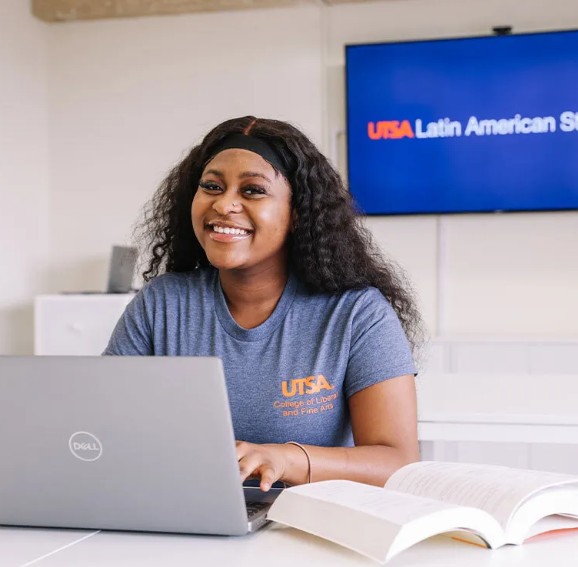
Learning does not always have to happen alone. While individual study is useful for building personal knowledge and independence, working with other people can create additional opportunities to understand ideas, exchange perspectives, and practice important skills. This approach is commonly known as collaborative learning.
Collaborative learning happens when students work together to explore a topic, solve a problem, complete a project, or understand a lesson. Each learner brings their own experiences and ideas to the group, creating an environment where people can learn from one another.
When organized effectively, collaborative learning can make education more engaging while helping students develop academic and interpersonal skills that can be useful both inside and outside the classroom.
Understanding Collaborative Learning
Collaborative learning is based on cooperation. Instead of relying entirely on a teacher to provide information, students can participate actively by discussing ideas, sharing knowledge, and working toward a common goal.
A collaborative activity might involve two students discussing a difficult question, a small group preparing a presentation, or a larger team completing a research project. The specific activity may vary, but the central idea remains the same: students learn by working with others.
This can create a more interactive learning experience.
Encouraging Active Participation
One important benefit of collaborative learning is that it encourages students to become active participants. In a traditional lesson, some learners may listen quietly without having many opportunities to express their ideas.
Group activities can encourage students to speak, ask questions, explain their reasoning, and respond to other people’s thoughts. This active involvement can make lessons feel more engaging and help students pay closer attention to the subject.
Participation can also make students feel more connected to their learning.
Learning From Different Perspectives
Every student has a different way of understanding information. When people work together, they may approach the same question from several perspectives.
One student may have a simple explanation for a difficult concept, while another may provide a useful example. A third student may notice a detail that others overlooked.
Hearing these different viewpoints can help learners recognize that a topic may have more than one reasonable way of being understood. This can broaden their thinking and encourage curiosity.
Improving Communication Skills
Collaborative learning provides regular opportunities to practice communication. Students need to explain their thoughts clearly, listen to other people, ask questions, and respond respectfully.
These skills are important in nearly every educational setting. They can also become valuable later in professional environments where people regularly communicate with colleagues and work as part of a team.
By practicing communication during school activities, students can gradually become more comfortable expressing themselves.
Strengthening Listening Skills
Good collaboration depends on good listening. Students cannot effectively contribute to a group if they ignore what others are saying.
During collaborative activities, learners can practice listening for important details, understanding different viewpoints, and responding appropriately. They may also discover that careful listening can lead to better ideas and fewer misunderstandings.
Listening becomes more than simply hearing words. It becomes part of the process of understanding and cooperating.
Supporting Better Understanding
Explaining an idea to another person can help students recognize whether they truly understand it. Sometimes a learner may feel confident about a topic until they try to explain it in their own words.
Group discussions can reveal areas that need more attention. Students can ask classmates for clarification, compare approaches, and discuss examples.
This process can strengthen understanding because learners are actively processing and explaining information rather than only reading or memorizing it.
Making Problem-Solving More Effective
Some challenges are easier to approach when several people work on them together. Collaborative learning allows students to combine their knowledge and consider multiple solutions.
For example, a group solving a classroom problem may generate several ideas before comparing them. One person might identify the main issue, another might suggest a possible solution, and another might notice a limitation.
Working together can make problem-solving a more thoughtful and creative process.
Developing Teamwork Skills
Teamwork is one of the most practical skills students can develop through collaborative learning. Group assignments teach learners that successful results often require cooperation and shared responsibility.
Students may need to divide tasks, organize schedules, communicate progress, and support one another. These experiences can teach them how to contribute to a common goal while respecting the roles of others.
Learning how to work effectively with different people can be useful throughout life.
Building Confidence
Collaborative activities can also help students build confidence. A learner who may feel uncomfortable speaking in front of a large class might find it easier to begin by sharing an idea with a small group.
As students become more familiar with expressing their thoughts, they may feel more comfortable participating in larger discussions and presentations.
Support from classmates can also make learning feel less intimidating, especially when students understand that everyone is learning and improving together.
Encouraging Responsibility
Group work teaches students that their actions can affect other people. When a student is responsible for completing part of a project, other members may depend on that contribution.
This can encourage learners to become more organized and responsible. They may learn to meet deadlines, communicate when they need assistance, and take ownership of their tasks.
These habits can support stronger learning routines and prepare students for future responsibilities.
Creating Opportunities for Peer Learning
Students often learn effectively from their peers because classmates may explain ideas using familiar language or examples.
Peer learning can provide additional opportunities to review material. A student who already understands a topic can help another student, while explaining the concept may strengthen the first student’s own understanding.
This creates a learning environment where knowledge can move in several directions rather than only from teacher to student.
Supporting Creativity
Group learning can encourage creativity because students are exposed to different ideas. When several learners brainstorm together, they can build on one another’s suggestions and discover possibilities that may not have appeared during individual study.
Creative collaboration can be especially useful for projects involving writing, design, presentations, research, or practical activities.
Working together can make the process more dynamic and encourage students to explore new approaches.
Helping Students Manage Differences
People do not always agree, and collaborative learning provides a safe setting for students to practice handling differences of opinion.
Learners may discover that respectful disagreement can lead to better discussions. Instead of immediately rejecting another person’s idea, they can ask questions, explain their reasoning, and search for common ground.
This teaches students that cooperation does not require everyone to think exactly the same way.
Improving Time Management
Group projects often involve deadlines and several connected tasks. Students may need to determine what should be completed first and how different responsibilities fit together.
This can help learners develop practical time-management skills. They may become more aware of how planning, organization, and communication influence the progress of a project.
These habits can also be applied to individual study and everyday responsibilities.
Preparing Students for Future Work
Many careers involve teamwork. Employees may collaborate with colleagues, communicate with clients, contribute to projects, and work toward shared objectives.
Collaborative learning gives students early opportunities to practice these behaviors. They can learn how to contribute ideas, complete responsibilities, listen to others, and work toward a common result.
These experiences can help students feel more prepared for professional environments.
Supporting a Positive Learning Environment
A classroom where students cooperate can encourage a stronger sense of community. Learners may feel more comfortable asking questions, sharing ideas, and helping classmates.
Positive collaboration can make education feel less isolated. Students can recognize that other people may have similar questions or challenges.
A supportive learning environment can encourage students to remain engaged and motivated.
The Role of Teachers in Collaborative Learning
Teachers play an important role in making collaborative learning successful. Clear instructions, realistic goals, and well-organized activities can help students understand their responsibilities.
Teachers can also encourage respectful communication and make sure that every student has an opportunity to participate. When collaboration is structured thoughtfully, group activities are more likely to support meaningful learning rather than simply dividing up tasks.
Making Collaborative Learning Effective
Students can get more from group activities when they prepare before discussions, listen carefully, and contribute useful ideas. It is also important for group members to communicate clearly about responsibilities and deadlines.
Successful collaboration is not about having the same opinion all the time. It is about working together respectfully, learning from differences, and staying focused on the shared objective.
Conclusion
Collaborative learning offers many benefits for students. It can improve communication, strengthen understanding, encourage creativity, develop teamwork, and provide opportunities for peer learning. It can also help students build confidence, practice responsibility, manage differences, and prepare for future academic and professional situations.
When learners work together in a supportive environment, education becomes more interactive and connected. By sharing ideas and learning from one another, students can develop knowledge as well as practical skills that continue to benefit them throughout their lives.