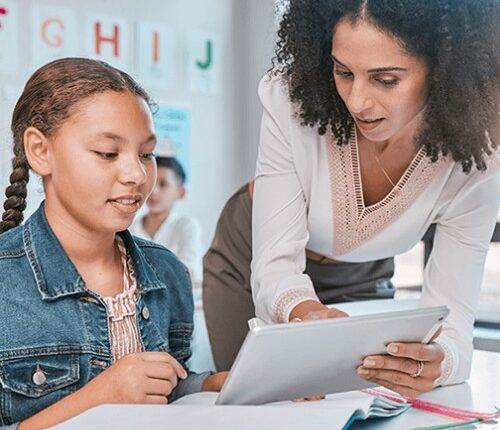
Education has changed significantly as technology has become a larger part of everyday life. Learners no longer have to depend entirely on traditional classrooms to gain knowledge and develop useful skills. Online education has created new ways for people to study from home, at work, or from almost any location with a suitable internet connection.
Online education can include virtual classes, recorded lessons, educational websites, digital libraries, professional training, online courses, and other learning resources. These options provide flexibility for students and adults who want to continue learning while managing work, family responsibilities, or other commitments.
For modern learners, online education can offer convenience, variety, and opportunities for personal and professional development. While every learning method has its own strengths, digital education has become a useful addition to traditional approaches.
Flexible Learning Schedules
One of the most attractive benefits of online education is flexibility. Traditional classes often follow fixed schedules, but many online courses allow learners to study at times that fit their routines.
A student may watch a lesson in the morning, review course materials in the evening, or complete an assignment during a free period. This flexibility can be especially useful for working adults and learners with busy schedules.
Being able to organize study time around other responsibilities can make continued education more practical.
Learning From Almost Anywhere
Online education removes many location-related limitations. Learners can access courses without needing to travel to a specific campus or training center.
This can save time and make education more accessible to people who live far from educational institutions. Someone in one city can study a course offered by an institution in another region without relocating.
As long as the necessary technology and internet access are available, learning can take place in many different environments.
Access to a Wide Range of Subjects
Digital education platforms often provide courses covering a broad selection of subjects. Learners can explore areas such as business, communication, technology, languages, science, design, history, writing, and many other fields.
This variety can help people discover subjects that match their interests and goals.
A learner who wants to develop a professional skill can search for relevant training, while someone who is simply curious can explore a topic for personal enjoyment.
Supporting Career Development
Online education can be useful for professionals who want to improve their current skills or prepare for new responsibilities. Courses can provide opportunities to learn about software, communication, project management, data analysis, digital tools, and other workplace subjects.
Learning can be completed alongside an existing job, making online education a practical option for people who want to continue developing without completely changing their daily routines.
Continued education can also help professionals identify areas where additional knowledge could support their long-term goals.
Learning at a Comfortable Pace
Different people learn at different speeds. Some learners understand new concepts quickly, while others need more time to review information.
Online learning can offer greater control over the pace in many course formats. Recorded lessons may be paused, replayed, or reviewed again when needed.
This can give learners additional opportunities to understand difficult material before moving to the next topic.
Replaying Lessons and Reviewing Materials
One useful feature of digital learning is easy access to course materials. Depending on the platform, learners may be able to revisit videos, readings, presentations, and practice exercises.
This can make review more convenient. A student who did not fully understand a concept during the first lesson can return to the material later.
Repeated exposure can also help reinforce important information.
Developing Digital Skills
Online education naturally provides opportunities to become more comfortable with technology. Learners may practice using video conferencing platforms, digital documents, online discussion systems, file-sharing tools, and learning management platforms.
These skills can be useful beyond education because many workplaces rely on digital communication and collaboration.
The learning process therefore provides both subject-specific knowledge and practical experience with modern technology.
Encouraging Independent Learning
Online education often requires learners to take responsibility for their progress. They may need to organize their study schedules, track deadlines, review materials, and decide when additional practice is necessary.
These responsibilities can encourage independence and self-management.
Independent learning can become a valuable lifelong skill. When people know how to find information, plan their learning, and evaluate their progress, they can continue developing knowledge even outside formal courses.
Providing Different Learning Formats
Digital education can use many different formats. Lessons may include videos, readings, quizzes, interactive activities, discussion forums, demonstrations, and practical assignments.
Using different formats can make learning more engaging and provide multiple ways to understand the same concept.
Some learners may prefer visual explanations, while others may benefit from reading detailed material or completing practice exercises. A mixture of formats can provide greater variety.
Making Education More Convenient
Traveling to and from a physical classroom can require significant time. Online education can reduce this requirement because learners can often access materials from home or another suitable location.
The time saved can be used for studying, work, family responsibilities, or rest.
Convenience can make it easier for people to fit learning into their existing lives without completely reorganizing their schedules.
Supporting Lifelong Learning
Education does not have to end when formal schooling is completed. Adults can continue learning throughout their careers and personal lives.
Online education makes lifelong learning more accessible by providing courses on many subjects and allowing flexible participation.
Someone may study a new language, improve digital skills, explore a hobby, or learn about a professional field simply because they want to continue growing.
Connecting Learners With Global Resources
The internet gives learners access to educational materials from many institutions, organizations, authors, and professionals. This can provide exposure to ideas and teaching approaches from different regions and cultures.
Learning from a variety of sources can broaden understanding and introduce perspectives that may not be available in a local classroom.
At the same time, learners should pay attention to the quality and reliability of educational resources.
Encouraging Better Time Management
Online learning can teach useful time management skills. Because learners often have more control over when they complete lessons, they must make decisions about how to use their available time.
Creating study schedules, setting reminders, and dividing large assignments into smaller tasks can help learners stay organized.
These habits can transfer to professional and personal responsibilities.
Creating Opportunities for Practical Learning
Many online programs include exercises and projects that allow learners to apply new knowledge. Practical assignments can make abstract concepts easier to understand.
For example, a learner studying design may create a sample project, while someone learning data skills may work with practice information.
Applying knowledge gives learners an opportunity to develop confidence and discover areas where additional practice may be helpful.
Supporting Different Learning Goals
Online education can serve different purposes. Some learners may want to complete structured academic study, while others may only need a short course focused on one specific skill.
This flexibility allows individuals to choose educational experiences based on their own goals.
A person who needs to learn a particular software tool may not need a lengthy program. Another learner preparing for a new career may prefer a more comprehensive course.
Encouraging Collaboration
Although online education can be completed independently, many platforms also offer opportunities for collaboration. Learners may participate in discussion boards, virtual meetings, shared projects, and group activities.
These interactions can help students exchange ideas and learn from one another.
Collaborative online learning can also strengthen communication and teamwork skills that are useful in professional environments.
Supporting Professional Networking
Some online courses bring together learners with similar professional interests. These communities can provide opportunities to share experiences, discuss ideas, and learn about different career paths.
Building connections through education can expand a person’s professional perspective.
The value of these connections often comes from meaningful exchanges rather than simply collecting contacts.
Making Educational Resources Easier to Organize
Digital materials can often be organized in one place. Learners may keep notes, course files, assignments, recordings, and reference materials within a single platform.
Search functions can also make it easier to locate information later.
Good digital organization can save time and help learners return to useful materials when they need them.
Encouraging Self-Reflection
Online education can provide opportunities for learners to monitor their own progress. After completing a lesson or assignment, they can consider what they understand and which areas need additional work.
Self-reflection can make learning more intentional.
It can also help learners identify which study methods work best for them and adjust their routines accordingly.
Supporting People With Busy Lives
Modern learners often balance several responsibilities. Work, family activities, personal goals, and other commitments can make traditional education difficult to attend regularly.
Online education can provide greater flexibility for people in these situations.
Being able to access lessons at convenient times can help learners continue their education without abandoning other important responsibilities.
Helping Learners Explore New Career Directions
Online education can be useful for people who are curious about a different profession. Introductory courses can provide information about a field before someone makes a larger educational or career commitment.
A learner can explore subjects, complete basic projects, and determine which areas are most interesting.
This can make career exploration more practical and informed.
Providing Opportunities to Learn From Experts
Many online courses are created or presented by experienced educators and professionals. Learners can benefit from explanations, examples, and insights developed through academic or practical experience.
Access to different educators can also expose learners to different teaching styles and approaches.
Comparing explanations can sometimes make complicated topics easier to understand.
Combining Online and Traditional Education
Online education does not need to replace traditional learning. The two approaches can complement each other.
A student might attend classroom sessions while using online resources for additional practice. A professional may combine workplace training with digital courses.
Blending learning formats can provide flexibility while maintaining opportunities for direct interaction and practical experience.
Understanding the Importance of Self-Discipline
Flexibility is helpful, but it also creates responsibility. Without a fixed classroom schedule, learners need to manage their own progress.
Creating realistic goals and maintaining a regular routine can make online education more successful.
Self-discipline does not mean studying constantly. It means establishing habits that help keep learning moving forward.
Choosing Reliable Online Education
The quality of online learning resources can vary. Before choosing a course, learners may want to review the provider, course content, instructor background, learning format, and available support.
For important academic or professional decisions, it is useful to compare information from multiple trustworthy sources.
A thoughtful selection process can help ensure that the learning experience matches the learner’s goals.
Creating a Productive Online Study Environment
A suitable study environment can make online learning more comfortable. A reliable device, stable internet connection, suitable lighting, and an organized workspace can support concentration.
Reducing unnecessary digital distractions can also make study sessions more productive.
A consistent environment can help create a clear distinction between learning time and other activities.
Staying Engaged During Online Lessons
Online learning requires active participation. Learners can take notes, ask questions, complete exercises, and review important ideas rather than simply watching lessons passively.
Engagement can help information become more meaningful.
When possible, connecting lessons with practical examples can also improve understanding.
Building a Lifelong Learning Mindset
Perhaps one of the greatest benefits of online education is that it makes continued learning feel more accessible. People can study new subjects at different stages of life and adjust their learning goals as their interests change.
This supports a mindset in which education is not limited to one period of life.
Curiosity, patience, and consistent practice can help learners continue developing knowledge long after a specific course has ended.
Conclusion
Online education offers modern learners a flexible way to gain knowledge, develop skills, explore new interests, and support professional growth. Its convenience, variety of subjects, flexible schedules, digital resources, and opportunities for independent learning make it a useful part of contemporary education.
Online learning can also strengthen digital skills, time management, communication, self-discipline, and problem-solving. When combined with reliable resources and a realistic study routine, it can provide a valuable educational experience.
The most effective approach is to choose learning opportunities that match personal goals and use them consistently. Online education is not simply about studying through a screen. It is about creating new ways to access knowledge and continue growing in a changing world.
For modern learners, that flexibility can make education more accessible, practical, and connected to the needs of everyday life and future development.