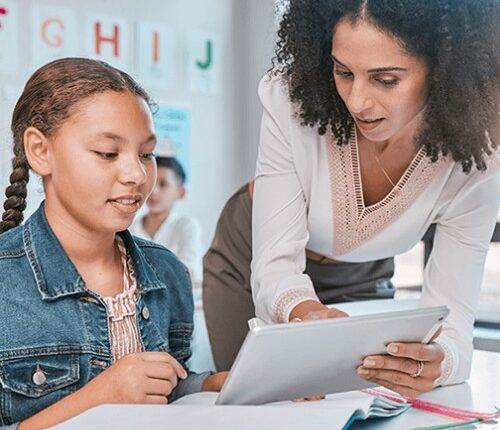
Education is an important part of personal and professional development, but the way people approach learning can have a major influence on their experience. Some learners see education as a collection of requirements, while others view it as an opportunity to discover new ideas, develop useful abilities, and understand the world more clearly.
A positive approach to education does not mean enjoying every lesson or finding every subject easy. Some topics will naturally be challenging, and some learning activities may require extra patience. A positive mindset simply means being willing to learn, improve, ask questions, and recognize progress along the way.
Developing this approach can help students and lifelong learners become more confident, motivated, and engaged with education. It can also create habits that remain useful long after formal schooling ends.
Understand the Value of Learning
A positive educational mindset often begins with understanding why learning matters. Education can provide knowledge, practical skills, communication abilities, and opportunities to explore personal interests.
Instead of focusing only on grades or completing assignments, learners can think about what they are gaining from the experience. A history lesson may improve understanding of the past, while mathematics can strengthen logical thinking. Language study can improve communication, and technology lessons can introduce valuable digital skills.
When learners recognize the purpose behind education, studying can feel more meaningful.
Set Realistic Learning Goals
Clear goals can provide direction and motivation. A goal does not need to be extremely ambitious. It can involve improving a specific subject, completing assignments more consistently, learning a new skill, or becoming more comfortable participating in class.
Breaking larger goals into smaller steps can make progress easier to see. Instead of trying to master an entire subject immediately, learners can focus on one topic at a time.
Realistic goals also reduce unnecessary pressure. They create a sense of direction while leaving room for gradual improvement.
Focus on Progress Rather Than Perfection
One of the most helpful ways to develop a positive approach is to focus on progress instead of expecting perfect results.
Learners may make mistakes, receive lower marks than expected, or struggle with certain concepts. These experiences do not necessarily mean they are incapable of learning.
Education is a process, and improvement often takes time. A student who understands a little more today than yesterday is already making progress.
Recognizing small improvements can help create a healthier and more encouraging attitude toward learning.
Learn From Mistakes
Mistakes are a normal part of education. They can reveal which topics need more attention and which study methods may need adjustment.
Instead of treating an incorrect answer as the end of the learning process, students can ask what caused the mistake. Perhaps a concept was misunderstood, instructions were unclear, or more practice was needed.
This approach can turn setbacks into useful lessons. Over time, learners may become more comfortable making mistakes because they see them as part of developing greater understanding.
Ask Questions Without Fear
Questions are an important part of learning, yet some students hesitate to ask because they worry about giving the wrong impression.
A positive learning approach recognizes that questions are valuable. Asking for clarification can prevent misunderstandings and lead to deeper understanding.
Students can ask teachers, classmates, tutors, or other knowledgeable people for help when appropriate. They can also research questions independently using reliable educational resources.
Being willing to say that something is unclear can be a sign of responsible learning rather than weakness.
Create a Comfortable Study Routine
A positive mindset is easier to maintain when the learning environment supports it. Creating a regular study routine can provide structure and reduce last-minute pressure.
Students can choose study times that fit their schedules and energy levels. A quiet and reasonably organized environment can also make it easier to concentrate.
The goal is not to create a perfect routine. It is to build a system that is realistic enough to continue consistently.
Make Learning More Active
Education can become more enjoyable when learners actively engage with the material. Instead of only reading or listening, students can summarize information, answer questions, explain concepts, practice problems, or apply ideas to real situations.
Active learning encourages participation and can make lessons more memorable.
It can also help learners recognize the difference between information that looks familiar and information they genuinely understand.
Connect Education With Everyday Life
Lessons can feel more relevant when learners understand how they connect to real experiences.
Mathematics can appear in shopping, measurements, planning, and budgeting. Science can help explain weather, plants, technology, and everyday physical processes. Language skills can improve conversations, writing, and professional communication.
Looking for these connections can make education feel less separate from everyday life.
Stay Curious
Curiosity is a powerful source of motivation. When learners become interested in why something happens or how something works, they may naturally want to explore further.
A simple classroom topic can become the beginning of a broader learning journey. A lesson about geography may inspire an interest in travel, while a science topic may lead to questions about nature or technology.
Curiosity encourages learners to discover subjects beyond what is required.
Explore Different Learning Methods
People do not all learn in exactly the same way. Some prefer reading, while others understand information more easily through demonstrations, examples, diagrams, practice, or discussion.
Trying different learning methods can help students discover what supports their understanding best.
A flexible approach also prevents learning from becoming repetitive. Mixing reading, writing, discussion, practice, and practical activities can keep education more engaging.
Take Care of Your Overall Well-Being
A positive approach to education also involves maintaining a healthy balance. Learning requires attention and energy, so students benefit from making reasonable time for rest, regular meals, movement, and relaxation.
A schedule that leaves no room for recovery can become difficult to maintain. Creating balance can make it easier to return to studying with better focus.
Education is an important part of life, but it should exist alongside other responsibilities and activities.
Surround Yourself With Encouragement
The people around learners can influence their attitude toward education. Supportive teachers, friends, family members, classmates, and mentors can provide encouragement and useful feedback.
Talking with others about learning challenges can help students feel less isolated. Sharing progress can also create motivation.
A supportive environment does not mean avoiding constructive criticism. Helpful feedback can guide learners toward practical improvements.
Avoid Unhelpful Comparisons
Every learner has a different background, pace, and set of strengths. Comparing personal progress too closely with someone else’s can create unnecessary frustration.
Instead, learners can compare their current abilities with their own earlier performance.
This encourages personal growth rather than competition. Progress becomes easier to recognize when the focus is on improvement over time.
Develop Good Time Management
A positive attitude becomes easier to maintain when responsibilities are organized. Students can use calendars, schedules, notebooks, or digital planning tools to keep track of assignments and deadlines.
Managing time well can reduce the pressure of last-minute work and create more room for review.
Good time management also teaches an important life skill that can remain valuable in higher education, professional environments, and everyday responsibilities.
Reward Consistent Effort
Recognizing effort can make learning feel more rewarding. After completing an assignment, reaching a study milestone, or improving a difficult skill, learners can take a moment to appreciate the progress they have made.
The reward does not need to be complicated. The simple feeling of accomplishment can reinforce the habit of continued learning.
Consistency often matters more than dramatic bursts of effort.
Stay Open to Feedback
Feedback can help learners understand both their strengths and their areas for improvement. A positive approach does not mean ignoring criticism. Instead, it means listening carefully and deciding how useful feedback can be applied.
Students can ask themselves what the feedback teaches them and what specific action they can take next.
This approach turns feedback into a learning tool rather than simply a judgment.
Give Yourself Time to Improve
Learning takes time. Some concepts may be understood quickly, while others require repeated practice and different explanations.
Patience is therefore an important part of a positive educational mindset.
When progress feels slow, learners can return to the basics, try another learning method, or seek additional support. Improvement does not need to happen all at once.
Build Confidence Through Practice
Confidence often develops through experience. The more learners practice a skill, the more familiar it may become.
Writing, speaking, solving problems, using software, reading, and presenting ideas can all become more comfortable with repeated practice.
Students do not need to wait until they feel completely confident before participating. Taking small opportunities to practice can help confidence grow naturally.
Treat Education as a Long-Term Journey
Education is not limited to one school year, one qualification, or one stage of life. People can continue developing knowledge and skills through adulthood.
Learning can take place through books, professional courses, hobbies, workplace experiences, online resources, and everyday conversations.
Seeing education as a lifelong journey can reduce the pressure to achieve everything immediately. There is always room to learn something new.
Find Meaning in Difficult Subjects
Not every subject will match a learner’s interests. However, it can still be useful to look for practical value within a difficult topic.
A subject may develop skills such as organization, analytical thinking, communication, concentration, or problem-solving even if the content itself is not a personal favorite.
Finding a useful purpose can make challenging subjects easier to approach.
Reflect on Your Learning
Taking time to reflect can strengthen a positive educational mindset. After a lesson or study session, learners can consider what they understood, what remained difficult, and what they would like to explore next.
Reflection helps turn experience into knowledge.
It also allows students to notice which habits are helping and which ones may need adjustment.
Celebrate Curiosity and Discovery
Learning should include moments of discovery. Finding an interesting fact, understanding a difficult concept, or developing a new skill can be genuinely satisfying.
Allowing room for curiosity makes education feel more personal.
The learner becomes not only someone completing tasks but also someone discovering information that may remain useful for years.
Conclusion
Developing a positive approach to education is about creating a healthy relationship with learning. It involves setting realistic goals, focusing on progress, asking questions, learning from mistakes, managing time, and remaining curious.
A positive mindset does not require every lesson to be easy or enjoyable. Challenges are part of the educational experience. What matters is how learners respond to those challenges.
By practicing patience, seeking support, staying open to feedback, and recognizing small improvements, students can build greater confidence and motivation. These habits can also remain valuable beyond formal education, supporting personal development and professional growth.
Education becomes more meaningful when learners see it as an opportunity rather than simply an obligation. Every lesson can provide a chance to understand something new, develop a useful skill, or discover an interest. With a positive approach, learning can become a lifelong journey filled with steady progress, useful experiences, and new possibilities.