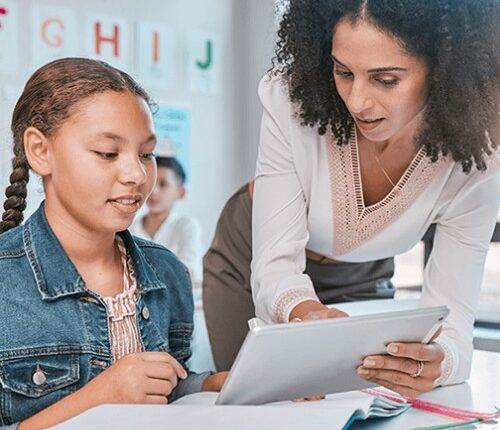
Education is an important part of life because it gives people opportunities to learn, develop skills, understand the world, and discover more about themselves. While education is often associated with schools, colleges, and universities, personal growth can also come from reading, practical experience, conversations, training, hobbies, and everyday learning.
Personal growth is the process of becoming more knowledgeable, capable, confident, and aware over time. It is not limited to reaching a particular age or completing a specific qualification. People can continue growing throughout their lives by learning from new experiences and remaining open to fresh ideas.
Education can support this journey in many ways. It can strengthen communication, encourage curiosity, improve decision-making, and help people develop a better understanding of their strengths and interests. By continuing to learn, individuals can create a stronger foundation for both personal and professional development.
Building Knowledge and Understanding
One of the most obvious benefits of education is the opportunity to build knowledge. Learning about subjects such as science, history, language, mathematics, technology, and culture helps people understand the world around them.
Knowledge can also provide context for everyday experiences. When people understand more about how things work, they may become more interested in their surroundings and better able to connect different ideas.
Building knowledge is not simply about memorizing facts. It is also about understanding concepts and recognizing how information can be applied in real situations.
Developing Critical Thinking
Education can encourage people to think carefully before reaching conclusions. Critical thinking involves examining information, asking questions, considering evidence, and comparing different possibilities.
These abilities can be useful in everyday life. People encounter information through websites, conversations, advertisements, social media, and many other sources. Learning how to evaluate information can help individuals make more thoughtful decisions.
Critical thinking also encourages curiosity. Instead of accepting every statement immediately, educated learners may be more willing to ask why something is true and where the information came from.
Improving Communication Skills
Communication plays an important role in relationships, education, and work. Education can help people strengthen their ability to speak, write, listen, and express ideas clearly.
Reading can expand vocabulary and introduce new ways of explaining concepts. Writing can help people organize their thoughts. Class discussions and presentations can provide opportunities to practice speaking and listening.
Strong communication skills can make it easier to build relationships, participate in professional environments, and share ideas with confidence.
Increasing Self-Confidence
Learning can help people feel more capable. When someone gains knowledge or develops a new skill, they may become more comfortable handling unfamiliar situations.
Confidence often develops gradually through practice. A student who once struggled with a particular subject may become more comfortable after repeated study and experience. An adult learning a new professional skill may gain confidence as they become more familiar with the process.
Education can therefore provide a practical path toward greater self-belief without requiring perfection.
Discovering Personal Interests
Education can help people discover subjects and activities they genuinely enjoy. Sometimes an individual does not know what interests them until they have an opportunity to explore something new.
A person may study biology and develop an interest in nature. Someone else may take a language course and become interested in another culture. Another learner might discover a passion for design, history, technology, or writing.
These discoveries can influence hobbies, future studies, career goals, and personal priorities.
Developing Problem-Solving Abilities
Many educational experiences involve solving problems. Students may work through mathematical questions, research assignments, practical projects, experiments, or group activities.
These experiences can teach people how to approach challenges step by step. They can learn to identify the main issue, gather useful information, consider different solutions, and evaluate the results.
Problem-solving skills are valuable because challenges exist in almost every part of life. The ability to think through a situation can help people respond more thoughtfully at home, at work, and in their communities.
Encouraging Adaptability
Life is constantly changing. Technology develops, workplaces evolve, and personal responsibilities can shift over time.
Education can prepare people to adapt by teaching them how to learn. When individuals become comfortable gaining new knowledge, they may find unfamiliar situations less intimidating.
Adaptability does not require knowing everything in advance. It involves being willing to learn, adjust, and improve when circumstances change.
Creating Better Habits
Education can encourage habits that support long-term personal growth. Studying regularly can teach discipline and organization. Completing assignments can develop time management. Reading consistently can strengthen concentration and curiosity.
These habits can extend beyond formal education. People can apply them when managing work responsibilities, personal goals, household tasks, or independent learning projects.
Small habits repeated over time can contribute to meaningful progress.
Understanding Different Perspectives
Learning can introduce people to cultures, communities, historical periods, and viewpoints that are different from their own experiences.
Understanding different perspectives can help people communicate more thoughtfully and appreciate the complexity of the world. It can encourage people to listen carefully before making assumptions.
Education does not require agreeing with every viewpoint. Instead, it creates opportunities to understand why people may have different experiences and ways of thinking.
This broader awareness can support respectful relationships and more informed discussions.
Supporting Emotional and Social Development
Personal growth is not only about academic knowledge. Education can also provide opportunities to develop social skills, cooperation, patience, and responsibility.
Group activities and classroom discussions can teach people how to work with others and handle differences respectfully. Experiences that require collaboration can help develop listening and communication skills.
These abilities can remain useful throughout life, whether people are working on professional projects, participating in community activities, or building personal relationships.
Preparing for Professional Life
Education can provide knowledge and skills that support career development. Depending on the subject, learners may develop technical abilities, communication skills, analytical thinking, or practical knowledge related to a specific field.
Professional development does not end when formal education is completed. People can continue learning through workplace training, workshops, online courses, and independent study.
A commitment to learning can help professionals adjust as their careers develop and new responsibilities appear.
Encouraging Independence
Education can help people become more independent learners and decision-makers. When individuals know how to research a topic, compare information, and develop a basic understanding of an issue, they can take greater responsibility for their own learning.
Independence does not mean refusing assistance. It means having the confidence to begin exploring a question and knowing when to seek additional guidance.
These abilities can be useful in many everyday situations, from learning how to use a new device to understanding an unfamiliar process.
Strengthening Creativity
Learning can also encourage creativity. Exposure to different subjects, ideas, and experiences gives people more information to combine in new ways.
A person may use knowledge from several areas to develop a creative project or find a different way to approach a familiar task. Creativity can be useful in artistic fields, but it also has practical value in business, education, technology, organization, and problem-solving.
Curiosity is often the starting point for creative thinking, and education can provide many opportunities to explore.
Supporting Goal Setting
Education can help people become more aware of what they want to achieve. Learning about different subjects and careers can make it easier to identify personal interests and establish realistic goals.
Goals can be related to education, work, hobbies, communication, or personal development. Once people understand what they want to improve, they can break larger objectives into smaller steps.
This approach can make personal growth feel more organized and achievable.
Learning From Mistakes
Education also teaches an important lesson about mistakes. Not every attempt produces the expected result, and learning often involves making adjustments.
A difficult assignment, unsuccessful project, or misunderstood concept can show a person where more practice is needed. Reflection can turn a disappointing experience into useful information.
Learning from mistakes can encourage patience and persistence. Progress often comes from understanding what went wrong and trying a different approach.
Creating a Lifelong Learning Mindset
Perhaps the greatest contribution of education to personal growth is the development of a lifelong learning mindset. People who remain curious are more likely to keep developing their knowledge long after formal schooling ends.
Lifelong learning can take many forms. Reading, practical experience, online education, hobbies, conversations, and professional development can all contribute to continued growth.
There is no need to learn everything at once. Small improvements over time can create a meaningful difference.
Making Everyday Life More Meaningful
Education can change the way people see ordinary experiences. A walk outside may become an opportunity to observe nature. A trip to a new place may inspire interest in geography and culture. A conversation may lead to questions about history or technology.
Knowledge can add context to everyday life and make familiar things more interesting. Learning often creates more questions, which can lead to further discovery.
Preparing for Future Changes
The future is difficult to predict, but education can help people prepare for uncertainty. The ability to learn new subjects and develop new skills can be valuable when circumstances change.
A person may need to adapt to a new technology, a different workplace responsibility, or a new personal goal. Education provides tools for understanding and responding to these changes.
Rather than preparing for one specific future, lifelong learning helps build the flexibility needed for many possibilities.
Conclusion
Education is important for personal growth because it helps people build knowledge, strengthen communication, improve problem-solving, develop confidence, discover interests, and understand different perspectives. It can support both practical abilities and broader personal development.
The value of education extends beyond certificates and formal qualifications. Every new skill, idea, and experience can contribute to becoming a more capable and informed person.
Personal growth is a continuing journey, and education provides many paths along the way. By staying curious, learning from experience, practicing new skills, and remaining open to new ideas, people can continue developing throughout their lives. In this sense, education is not simply preparation for the future. It is also a meaningful part of becoming more confident, capable, and engaged with the world today.