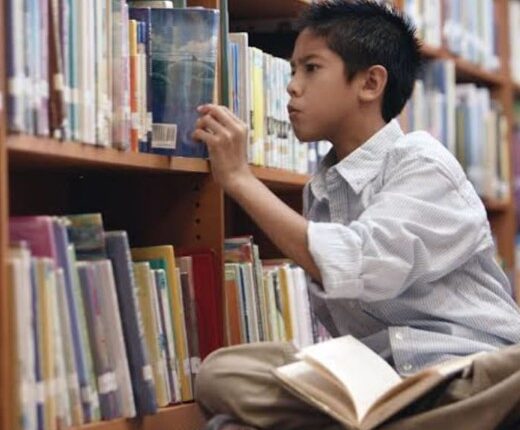
Education plays an important role in preparing people for the changing world of work. Whether students are interested in technology, business, healthcare, science, education, creative fields, or skilled professions, learning can provide knowledge and abilities that support future career opportunities.
A career is rarely built from one lesson or one qualification alone. It often develops through a combination of education, practical experience, communication, problem-solving, and continuous learning. By building a strong educational foundation, students can become better prepared to adapt to new responsibilities and changing workplace expectations.
Building a Strong Knowledge Foundation
One of the most important ways education supports future careers is by providing foundational knowledge. Students learn concepts that can become useful when they enter professional environments.
For example, mathematics can support analytical thinking, science can encourage investigation, language studies can strengthen communication, and technology courses can introduce digital skills.
Even subjects that do not appear directly connected to a particular career can develop useful ways of thinking. A broad education can therefore provide a foundation that students can build upon as their interests become clearer.
Discovering Personal Interests
Education can give students opportunities to explore different subjects and discover what they enjoy. Someone may begin with a general interest in technology and later discover a passion for software development, data analysis, design, or another related field.
Similarly, students interested in helping others may explore education, healthcare, community services, or other areas.
Trying different subjects can help young people make more informed decisions about their future instead of feeling pressured to choose a career immediately.
Developing Communication Skills
Communication is useful in almost every professional environment. Education provides many opportunities to practice reading, writing, speaking, listening, and presenting information.
Students may participate in classroom discussions, write assignments, give presentations, or work on group projects. These experiences can help them become more comfortable expressing ideas clearly.
Strong communication can be valuable when working with colleagues, customers, managers, clients, or members of the public.
Strengthening Problem-Solving Skills
Many careers require people to evaluate situations and find practical solutions. Education can develop this ability through assignments, experiments, projects, and real-world examples.
Students may be asked to investigate a question, analyze information, compare possibilities, or create a solution to a specific problem.
Learning how to approach challenges systematically can become a transferable skill that applies across many different occupations.
Learning How to Work With Others
Modern workplaces often involve teamwork. Employees may collaborate with colleagues from different backgrounds, departments, or areas of expertise.
Educational environments can provide early opportunities to develop teamwork skills. Group projects can teach students how to share responsibilities, communicate expectations, listen to different ideas, and work toward a shared objective.
These experiences can help students understand that successful teamwork requires both individual responsibility and cooperation.
Developing Digital Skills
Technology is now part of many professional environments. Education can help students become familiar with digital tools and develop confidence using technology appropriately.
Depending on the field, useful skills may include word processing, spreadsheets, presentations, online research, communication platforms, data tools, coding, design software, or other specialized applications.
Digital skills continue to evolve, so education can also teach students how to learn new technologies rather than relying only on one particular tool.
Learning How to Research Information
The ability to find, evaluate, and use information is increasingly valuable. Students regularly encounter large amounts of information through websites, social media, digital libraries, and other sources.
Education can teach students how to ask useful questions, compare sources, identify reliable information, and organize what they discover.
These skills can transfer to professional settings where employees need to research markets, customers, technologies, regulations, or industry developments.
Developing Time Management
Education can also teach students how to manage responsibilities. Assignments, examinations, projects, extracurricular activities, and personal commitments often require planning.
Learning to organize tasks and work toward deadlines can prepare students for professional environments where multiple responsibilities may need attention at the same time.
Time management is not about filling every moment with work. It is about understanding priorities and using available time effectively.
Building Adaptability
The workplace can change as technology, industries, consumer expectations, and economic conditions evolve. Education can prepare people to adapt by encouraging curiosity and continuous learning.
Students who become comfortable learning new concepts may find it easier to adjust when their future careers require unfamiliar skills.
Adaptability can be particularly useful in industries where tools and processes change frequently.
Connecting Education With Practical Experience
Classroom knowledge becomes more meaningful when students have opportunities to apply it. Projects, internships, volunteering, part-time work, practical training, and other experiences can help connect education with real situations.
Practical experiences can show students how theoretical concepts are used outside the classroom. They can also provide opportunities to develop professional habits such as communication, punctuality, organization, and teamwork.
Not every student will have access to the same opportunities, but even small practical experiences can contribute to career preparation.
Learning From Projects
Projects can provide a valuable bridge between education and professional work. A project may require students to research a topic, develop an idea, solve a problem, or produce a final result.
The process can teach students how to move from an initial concept toward a completed outcome.
Projects also provide examples of work that students may later discuss when applying for educational programs, internships, or entry-level positions.
Developing Creativity
Creativity is useful in many careers, not only in traditionally creative professions. Businesses, technology companies, educational organizations, and scientific teams can all benefit from people who can approach problems from different perspectives.
Education can encourage creativity through writing, design, experimentation, project development, and open-ended assignments.
Learning to consider multiple possibilities can help future professionals develop flexible approaches to challenges.
Understanding Professional Responsibility
Education can introduce students to the importance of responsibility, reliability, and ethical behavior. Meeting deadlines, completing assignments honestly, respecting others, and taking responsibility for mistakes can all contribute to professional development.
These qualities are relevant regardless of career choice.
Professional success involves more than technical knowledge. Employers and organizations also value people who can be trusted to communicate clearly, complete responsibilities, and work respectfully with others.
Building Confidence Through Learning
Confidence can develop when people gain knowledge and practice applying it. Education gives students opportunities to attempt challenging tasks, receive feedback, and improve.
Not every assignment will be successful on the first attempt. Learning how to respond to feedback and try again can help students become more comfortable with challenges.
This type of confidence can be valuable when entering new environments such as internships, workplaces, or professional training programs.
Exploring Career Options
Education can help students understand the range of careers available in different industries. Teachers, career counselors, guest speakers, online resources, and practical experiences can introduce students to occupations they may not have previously considered.
Career exploration can also help students understand which qualifications and skills may be useful for different paths.
Making decisions based on reliable information can be more helpful than choosing a career solely because it is popular or frequently discussed.
Preparing for Lifelong Learning
A first qualification is often only the beginning of a professional journey. People may need to learn new software, industry practices, regulations, or specialized knowledge as their careers develop.
Education can help establish the habit of learning continuously.
People who remain curious and willing to develop new skills may be better prepared to respond to changing professional requirements.
Understanding the Importance of Career Flexibility
A person’s first career choice does not necessarily determine their entire professional life. Interests and circumstances can change, and new career opportunities can emerge.
Education provides transferable skills that can support movement between related fields. Communication, organization, critical thinking, research, and problem-solving can be useful across many occupations.
This flexibility can help people respond to new opportunities without starting completely from the beginning.
Making Use of Career Resources
Students can strengthen their preparation by taking advantage of available educational and career resources. Libraries, career centers, professional organizations, training programs, and reputable online learning platforms can provide additional information.
Learning how to research career requirements can help students understand what employers and industries generally expect.
It is also useful to compare information from several reliable sources because career requirements can differ between organizations and locations.
Setting Educational Goals
Clear educational goals can provide direction. A student might aim to improve a particular skill, complete a qualification, gain practical experience, or explore a specific career area.
Goals can be adjusted as new information becomes available. The purpose is to create a useful direction rather than a rigid plan that cannot change.
Breaking larger goals into smaller steps can also make progress easier to manage.
Education and Future Opportunities
Education does not guarantee a particular career outcome, but it can expand the range of opportunities a person may be prepared to pursue. Knowledge, skills, qualifications, and experience can all contribute to career development.
The value of education is particularly strong when students actively connect what they learn with real-world applications.
A willingness to continue learning can further strengthen this foundation throughout a professional career.
Conclusion
Education can prepare people for future careers by developing knowledge, communication, problem-solving, teamwork, digital skills, adaptability, and other abilities that can be useful in many professional environments.
The modern workplace continues to change, so career preparation is not simply about learning one set of facts. It is about developing the ability to learn, apply knowledge, communicate effectively, and adapt to new situations.
By exploring different subjects, gaining practical experience, setting realistic goals, and continuing to develop new skills, students can build a strong foundation for their professional futures. Education may not provide every answer, but it can give people the tools and confidence to keep learning and pursue opportunities as their careers evolve.