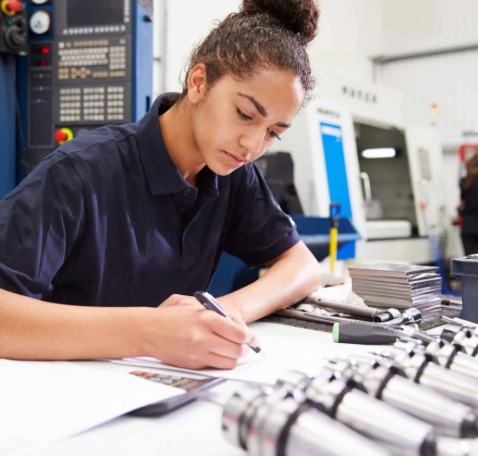
Education is often associated with classrooms, textbooks, assignments, and examinations. These traditional learning environments are important, but education does not stop when a lesson ends or a student leaves school. Some of the most meaningful learning experiences can happen through everyday activities, personal interests, community experiences, conversations, projects, and exploration. Learning beyond the classroom can help students connect academic knowledge with the real world while developing practical skills that remain valuable throughout life.
Learning outside a traditional classroom does not necessarily mean traveling to distant places or participating in expensive programs. It can be as simple as reading about a subject of personal interest, visiting a museum, observing nature, helping with a community project, learning a practical skill, or discussing an interesting topic with someone who has experience in it.
One of the greatest benefits of learning beyond the classroom is that it makes knowledge more practical. Students sometimes find it difficult to understand why a particular subject matters when they only encounter it in textbooks. Real-world experiences can demonstrate how academic concepts are used in everyday situations.
For example, mathematics becomes more practical when students use measurements while cooking, calculate costs while shopping, or plan a small project. Science can become more engaging when learners observe plants, weather, animals, or simple physical processes in their surroundings.
These experiences help students understand that education is not limited to memorizing information. Knowledge becomes more meaningful when people can apply it.
Learning beyond the classroom can also encourage curiosity. When students explore their surroundings, they encounter questions that may not have obvious answers. A walk through a park might lead to questions about plants and animals. A visit to a historical location might inspire curiosity about the people who lived there.
Questions encourage further investigation. Students may begin searching for information, reading books, conducting research, or discussing their discoveries with others. One experience can therefore lead to many additional learning opportunities.
Another important benefit is greater independence. Traditional education often provides structured instructions, but learning outside the classroom can require students to decide what they want to explore and how they want to learn about it.
This encourages learners to make choices, find resources, organize information, and evaluate what they discover. These abilities can support independent learning later in life.
Practical experiences can also strengthen problem-solving skills. Real-world activities rarely follow a perfectly predictable plan. Students may need to adjust when something does not work as expected.
For example, a student working on a personal project may discover that the original plan is impractical. Instead of stopping, they can consider alternative approaches. This process teaches flexibility and encourages learners to think about solutions rather than focusing only on the problem.
Learning beyond the classroom can also develop communication skills. Community activities, group projects, workshops, clubs, and volunteer experiences often require people to communicate with others.
Students can practice explaining ideas, listening carefully, asking questions, sharing responsibilities, and working toward common goals. These experiences can make communication feel more natural because learners are using it for practical purposes.
Collaboration is another skill that benefits from real-world learning. Group activities can introduce students to people with different interests, perspectives, and working styles. Learning how to cooperate respectfully can prepare students for future academic and professional environments.
Students may discover that successful teamwork requires more than simply dividing tasks. It involves understanding responsibilities, communicating progress, resolving misunderstandings, and supporting one another.
Another advantage is exposure to different perspectives. Classrooms provide valuable discussions, but learning outside school can introduce students to people from different backgrounds and experiences.
Talking with community members, visiting cultural institutions, participating in local events, or reading about different societies can broaden a student’s understanding of the world.
This broader perspective can encourage empathy and respectful communication. Students can learn that people may have different experiences and viewpoints while still sharing common interests and goals.
Learning beyond the classroom can also help students discover their interests. A student may not know which subjects or activities they enjoy until they have opportunities to try different things.
Someone might discover an interest in photography after experimenting with a camera. Another student may become interested in gardening, writing, technology, cooking, design, history, or environmental topics after participating in a practical activity.
These discoveries can influence future educational choices and personal projects. Sometimes an activity that begins as simple curiosity develops into a valuable skill.
Technology has made learning beyond the classroom easier to access. Digital libraries, educational websites, online courses, documentaries, podcasts, virtual tours, and interactive tools allow students to explore subjects from many locations.
However, digital learning should be approached thoughtfully. Not every online resource is equally reliable. Students should learn to evaluate sources, compare information, and consider whether the material comes from a credible source.
This is another way learning outside the classroom can strengthen critical thinking. Students become responsible for deciding which information is useful and how it should be understood.
Reading is one of the simplest forms of learning beyond the classroom. Books and educational articles can introduce subjects that may not be included in a student’s regular curriculum.
Regular reading can expand vocabulary, strengthen comprehension, and provide new perspectives. It can also encourage students to ask questions and explore related topics independently.
Personal projects provide another valuable opportunity. Students can choose a subject they enjoy and create something connected to it. A project might involve writing, research, design, technology, art, gardening, or another practical activity.
Projects encourage students to combine several skills at once. They may need to plan, research, organize information, solve problems, create something, and evaluate the final result.
This kind of learning can be particularly rewarding because students can see the direct result of their effort.
Museums, libraries, science centers, cultural institutions, parks, and historical locations can also provide educational experiences. These places can make subjects more tangible by allowing learners to see objects, environments, and examples connected to what they are studying.
A history lesson can become more memorable when students see artifacts or visit a location connected to a historical event. Similarly, science concepts can become easier to appreciate when learners observe real examples.
Outdoor learning provides another opportunity to connect education with everyday life. Nature can become a living learning environment. Students can observe weather patterns, plants, animals, landscapes, and environmental changes.
These observations can lead to discussions about biology, geography, environmental science, and conservation. Outdoor activities can also encourage careful observation and patience.
Learning through real experiences can build confidence as well. Successfully completing a practical task provides students with evidence that they can use knowledge to accomplish something.
Confidence can grow when students realize that they can solve problems without always receiving step-by-step instructions. This does not mean they must work alone. Asking for guidance is still an important part of learning.
Learning beyond the classroom can also support creativity. Real-world situations do not always provide one predetermined answer. Students may need to think of different possibilities and decide which approach makes sense.
Creative thinking can be strengthened when learners are encouraged to experiment, make reasonable mistakes, and improve their ideas.
Another benefit is improved adaptability. Real-world experiences often involve unexpected changes. A project may require a different approach, a plan may need adjustment, or new information may change the direction of an activity.
Students who experience these situations can learn to remain flexible. They discover that changing a plan does not necessarily mean giving up on the goal.
Families can support learning beyond the classroom by encouraging children to ask questions and explore interests. Everyday activities can become learning opportunities without turning every moment into a formal lesson.
Cooking together can involve measurements and planning. Planning a trip can introduce geography and budgeting. Gardening can encourage observation and responsibility. Discussing a news topic can lead to research and critical thinking.
The goal is not to make every activity academic. Learning can happen naturally when people remain curious and open to discovery.
Teachers can also encourage students to connect classroom lessons with experiences outside school. Assignments that involve observation, research, interviews, or practical projects can help students apply what they have learned.
This connection between academic knowledge and real-world experience can make education more meaningful. Students begin to understand that subjects are not isolated topics but tools for understanding and interacting with the world.
Learning beyond the classroom also supports lifelong learning. Adults continue learning through work, hobbies, travel, reading, personal projects, and everyday experiences. Students who develop this habit early may become more comfortable continuing their education throughout life.
Ultimately, learning is not limited by walls, schedules, or textbooks. The world provides countless opportunities to discover new information and develop useful abilities.
In conclusion, learning beyond the classroom offers many benefits, including practical knowledge, greater curiosity, stronger problem-solving skills, improved communication, creativity, independence, adaptability, and broader perspectives. Students can learn through books, personal projects, community activities, nature, cultural experiences, technology, conversations, and everyday responsibilities. These experiences help connect academic ideas with real-world situations and demonstrate that education is part of everyday life. Learning outside traditional settings can also help students discover interests and strengths that may influence their future choices. The most valuable part of this approach is that it encourages learners to become active participants in their own education. Instead of waiting for knowledge to be presented, they learn to ask questions, investigate subjects, find reliable information, and apply what they discover. With curiosity and an open mind, ordinary experiences can become meaningful opportunities for growth. When students learn both inside and beyond the classroom, they develop a broader understanding of the world and build skills that can support them in school, future work, and lifelong learning.