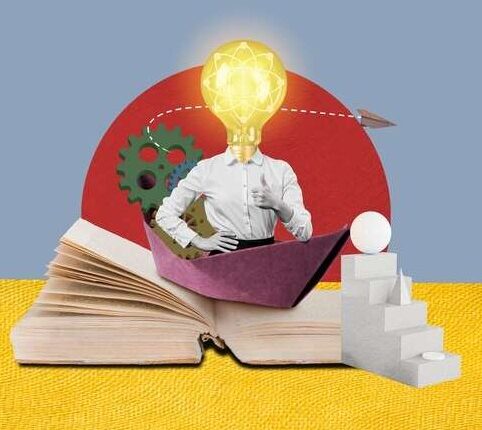
Education is one of the greatest gifts a child can receive. From the first day of school to lifelong learning experiences, education helps children discover their abilities, understand the world around them, and prepare for a meaningful future. Every child deserves the opportunity to learn in a safe, supportive, and encouraging environment where curiosity is welcomed and personal growth is celebrated. Access to education is not only important for individual development but also for creating stronger families, healthier communities, and more prosperous societies. When children have the chance to learn, they gain knowledge and skills that can positively influence every stage of their lives.
Education begins by helping children develop essential academic skills. Reading, writing, mathematics, science, and communication form the foundation of learning that supports future educational and career opportunities. These subjects teach children how to understand information, solve problems, and express their thoughts clearly. Strong foundational skills make it easier for students to continue learning as they grow older and encounter more advanced subjects.
One of the most valuable benefits of education is that it encourages curiosity. Children are naturally eager to explore, ask questions, and discover new ideas. A quality learning environment nurtures this curiosity by providing opportunities to investigate different topics, experiment with creative solutions, and think independently. Curious learners often develop a lifelong love of learning that continues well beyond their school years.
Education also helps children build confidence. As they learn new concepts, complete assignments, and achieve personal goals, they begin to recognize their abilities and strengths. Confidence encourages children to participate in classroom discussions, try new activities, and approach challenges with a positive attitude. This growing belief in themselves supports both academic success and personal development.
Communication skills are another important outcome of education. Children learn how to express their ideas through speaking, writing, listening, and collaborative activities. Strong communication allows students to share their thoughts respectfully, understand others, and work effectively in groups. These abilities remain valuable throughout life, supporting healthy relationships and future professional success.
Critical thinking is developed through education as children learn to analyze information, ask thoughtful questions, and evaluate different perspectives. Rather than simply memorizing facts, students are encouraged to understand concepts and apply knowledge to real-world situations. Critical thinking prepares children to solve problems, make informed decisions, and adapt to changing circumstances throughout their lives.
Education also teaches responsibility. Students gradually learn how to complete assignments, manage their time, follow instructions, and take ownership of their learning. These experiences help children develop self-discipline and accountability, qualities that contribute to success both inside and outside the classroom. Responsibility encourages young learners to become dependable individuals who understand the value of commitment and perseverance.
Another important reason every child needs access to education is the opportunity to develop social skills. Schools provide environments where children interact with classmates, teachers, and other members of the community. Through group activities, classroom discussions, and shared experiences, students learn cooperation, respect, empathy, and teamwork. These social skills help children build positive relationships and contribute to supportive communities throughout their lives.
Education also promotes respect for diversity. In many schools, children learn alongside classmates from different backgrounds, cultures, languages, and traditions. These experiences encourage understanding and appreciation of different perspectives while reducing prejudice and misunderstanding. Respect for diversity prepares children to live and work successfully in increasingly connected societies.
Health education is another valuable part of a child’s learning experience. Schools often teach students about nutrition, physical activity, personal hygiene, emotional well-being, and healthy lifestyle choices. This knowledge helps children develop habits that support long-term health while encouraging responsible decisions that benefit both themselves and their families.
Technology has become an important part of modern education. Children who develop digital literacy learn how to use computers, online resources, and educational tools responsibly. Technology supports research, creativity, communication, and collaboration while preparing students for a future where digital skills are increasingly valuable across many careers and industries.
Education also opens doors to future career opportunities. As children progress through school, they discover subjects that match their interests and talents. Some may enjoy science, others may develop a passion for literature, technology, art, business, or healthcare. Education allows students to explore these interests while developing the knowledge and practical skills needed to pursue meaningful careers in adulthood.
Another significant benefit of education is the encouragement of creativity. Children are often invited to explore ideas through writing, art, music, science projects, and problem-solving activities. Creative thinking helps students approach challenges with imagination and confidence while encouraging innovation in many different fields. Creativity supports personal expression and contributes to lifelong learning.
Education also strengthens emotional development. School experiences help children understand their emotions, manage challenges, and develop resilience. Learning how to cope with setbacks, work through difficulties, and celebrate progress helps build emotional confidence that supports healthy relationships and overall well-being.
Families benefit greatly when children have access to education. Parents often become active partners in their children’s learning by encouraging reading, supporting homework, and celebrating achievements. Education strengthens family relationships by creating shared opportunities for growth and learning. Children who experience supportive educational environments are often inspired to continue learning throughout their lives.
Communities also benefit when children receive quality education. Educated individuals often contribute through meaningful employment, volunteer work, entrepreneurship, leadership, and community service. As children grow into adults, the knowledge and skills they develop help strengthen local economies, improve public services, and encourage positive social development. Education creates a cycle of opportunity that benefits future generations.
Another important advantage of education is adaptability. The world continues changing through technological innovation, scientific discoveries, and new career opportunities. Children who learn how to think critically and continue learning throughout life are better prepared to adjust to changing circumstances. Adaptability allows individuals to embrace new opportunities while remaining confident in their ability to grow and succeed.
Education also encourages lifelong learning. The habits children develop during their early years often continue into adulthood. Curiosity, perseverance, and a willingness to explore new ideas help individuals remain engaged with learning throughout their lives. Lifelong learners continue improving their skills, expanding their knowledge, and contributing positively to society regardless of age.
Leadership development begins early through educational experiences. Students often participate in classroom projects, student organizations, community activities, and collaborative learning opportunities that encourage responsibility and initiative. Leadership is not only about guiding others but also about making thoughtful decisions, communicating respectfully, and contributing positively to shared goals.
Education promotes hope by helping children believe in their potential. Every lesson learned, every challenge overcome, and every achievement reached reminds students that growth is possible through effort and determination. This optimism encourages children to pursue meaningful goals while believing that they can make valuable contributions to their communities and the world.
Access to education is especially important because every child has unique talents and dreams. Some may become teachers, engineers, artists, healthcare professionals, scientists, entrepreneurs, or community leaders. Others may discover paths that have not yet been imagined. Education provides the foundation that allows children to explore these possibilities while developing the confidence to pursue their aspirations.
As societies continue evolving, education remains one of the most effective ways to prepare future generations for meaningful participation in an increasingly connected world. Knowledge, communication, creativity, critical thinking, and adaptability all contribute to stronger individuals and healthier communities. When children receive quality education, they gain more than academic knowledge. They develop the tools needed to build fulfilling lives and contribute positively to others.
In conclusion, every child needs access to education because learning creates opportunities that last a lifetime. Education strengthens academic abilities, communication, confidence, creativity, responsibility, emotional growth, and critical thinking while preparing children for future careers and meaningful participation in society. It supports healthier families, stronger communities, and continued social progress by empowering young learners to reach their full potential. By ensuring that every child has the opportunity to learn in a supportive environment, society invests in a brighter, more inclusive, and more hopeful future for generations to come.