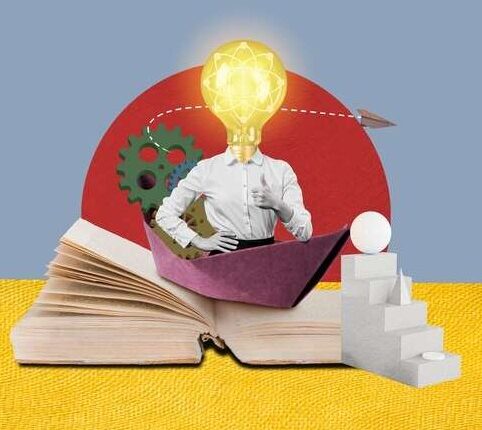
Education has always been one of the most powerful forces behind positive social change. Throughout history, learning has helped individuals gain knowledge, develop practical skills, and discover new ways to improve their communities. While education is often associated with academic achievement and career preparation, its influence reaches much further. It shapes attitudes, encourages understanding, strengthens communities, and inspires people to contribute positively to society. As the world continues to evolve through technological innovation, cultural exchange, and global cooperation, education remains an essential foundation for creating meaningful and lasting social progress.
Social change refers to the gradual improvement and transformation of communities, institutions, and everyday life. These changes may involve advances in technology, education, healthcare, communication, environmental awareness, or community development. Education supports these improvements by helping individuals understand complex issues, think critically, and work together toward shared goals. It provides the knowledge and confidence needed to adapt to change while encouraging responsible participation in society.
One of the most important ways education contributes to social change is by expanding knowledge. Schools, colleges, universities, and other learning environments help students understand subjects such as science, mathematics, language, history, technology, and the arts. This knowledge allows individuals to make informed decisions, solve problems, and contribute thoughtfully to their communities. Well-informed citizens are often better prepared to participate in discussions, support positive initiatives, and encourage constructive progress.
Education also develops critical thinking skills, which are essential for meaningful social development. Rather than simply memorizing information, students learn how to evaluate evidence, ask thoughtful questions, compare perspectives, and reach informed conclusions. Critical thinking encourages independent judgment and helps individuals recognize opportunities for improvement. Communities benefit when people can thoughtfully analyze challenges and work together to develop practical solutions.
Communication is another important area where education supports social change. Students learn how to express ideas clearly, listen respectfully, and engage in productive conversations. Strong communication helps people understand different perspectives and build positive relationships. Effective dialogue reduces misunderstandings, strengthens cooperation, and encourages peaceful collaboration among individuals from diverse backgrounds.
Education also encourages respect for diversity. Modern classrooms often bring together learners from different cultures, languages, traditions, and experiences. These interactions help students appreciate different viewpoints while developing empathy and understanding. Respect for diversity creates stronger communities where people work together despite differences and recognize the value that every individual can contribute.
Another important contribution of education is the development of problem-solving skills. Social challenges often require thoughtful planning, creativity, and cooperation. Educational experiences encourage students to analyze situations carefully, consider multiple solutions, and evaluate possible outcomes. These abilities help individuals address community needs while supporting innovation and long-term improvement.
Education plays a significant role in promoting equal opportunities. Quality learning environments help individuals develop their talents regardless of their backgrounds. By providing access to knowledge and skill development, education allows learners to pursue careers, contribute to society, and improve their quality of life. Expanding educational opportunities helps communities benefit from the abilities and ideas of a broader range of people.
Economic development is also closely connected to education. Skilled workers, entrepreneurs, researchers, teachers, healthcare professionals, engineers, and many other professionals all rely on education to prepare for their careers. As education strengthens the workforce, communities benefit from greater productivity, innovation, and economic stability. Strong economies create additional opportunities for investment, employment, and community development.
Technology has transformed education and expanded its influence on social change. Digital learning platforms, online courses, educational applications, and virtual collaboration tools make learning more accessible than ever before. Technology allows students to connect with educational resources regardless of location while encouraging collaboration across different regions and cultures. Responsible use of technology helps learners develop digital literacy and prepares them for participation in modern society.
Education also supports environmental awareness. Students learn about conservation, sustainability, responsible resource management, and environmental protection. Understanding these topics encourages individuals to make thoughtful decisions that benefit both current and future generations. Communities that value environmental education often promote healthier lifestyles and more sustainable development.
Leadership development is another valuable outcome of education. Schools and universities provide opportunities for students to organize projects, participate in community activities, and take responsibility for group initiatives. Leadership experiences help learners build confidence, communication skills, and decision-making abilities. Effective leaders inspire positive action, encourage cooperation, and contribute to meaningful improvements within their communities.
Education strengthens communities by encouraging civic participation. Students learn about responsibility, cooperation, fairness, and the importance of contributing positively to society. These values inspire individuals to volunteer, participate in community projects, and engage respectfully with others. Active participation helps communities address challenges while creating stronger relationships among citizens.
Creativity and innovation also grow through education. Students are encouraged to explore ideas, conduct research, and develop original solutions to complex problems. Creative thinking contributes to advances in science, technology, healthcare, business, and the arts. Many of the innovations that improve everyday life begin with individuals who developed curiosity and problem-solving skills through education.
Another important benefit of education is increased confidence. As students overcome academic challenges, develop new abilities, and achieve personal goals, they often gain greater belief in their potential. Confidence encourages individuals to pursue opportunities, share ideas, and contribute actively to society. Self-confident learners are often more willing to take initiative and support positive change within their communities.
Education also promotes lifelong learning. The modern world continues changing rapidly as industries evolve and new technologies emerge. Students who develop strong learning habits remain open to acquiring new knowledge throughout their lives. Lifelong learning helps individuals adapt to changing circumstances while remaining productive contributors to society.
Collaboration is another essential skill developed through education. Group assignments, classroom discussions, and community projects teach students how to work effectively with others toward shared objectives. Learning to cooperate respectfully with people from different backgrounds prepares individuals for professional environments and strengthens community relationships.
Health education also contributes to positive social change. Schools help students understand nutrition, physical activity, mental well-being, and healthy lifestyle habits. Better health awareness supports stronger communities by encouraging informed choices that improve quality of life and reduce preventable health challenges.
Education also encourages responsible decision-making. Students learn to evaluate situations carefully, consider consequences, and choose actions that reflect integrity and responsibility. These qualities support ethical behavior in both personal and professional life while helping create trustworthy and dependable communities.
Families benefit greatly from education as well. Parents who value learning often encourage curiosity, reading, and educational achievement within their homes. This positive environment supports children’s development while strengthening future generations through continuous learning and personal growth.
As globalization increases connections between countries and cultures, education helps individuals develop global awareness. Students learn about international perspectives, cultural traditions, and worldwide challenges, preparing them to participate responsibly in an interconnected world. Understanding global issues encourages cooperation, respect, and shared responsibility across borders.
Education also helps communities become more resilient during times of change. Whether adapting to technological advances, economic shifts, or environmental challenges, educated individuals often respond more effectively because they possess the knowledge and skills needed to understand new situations and identify constructive solutions.
Perhaps the greatest contribution of education to social change is its ability to inspire hope. Learning encourages individuals to imagine better futures, pursue meaningful goals, and believe that positive improvements are possible. This optimism motivates people to continue developing themselves while working together to strengthen their communities.
In conclusion, education plays a central role in social change by empowering individuals with knowledge, practical skills, confidence, and a commitment to lifelong learning. It promotes communication, critical thinking, creativity, cooperation, and respect for diversity while supporting economic growth and community development. Through education, individuals become better prepared to solve problems, contribute responsibly, and create positive change within society. As the world continues evolving, investing in quality education remains one of the most effective ways to build stronger communities, encourage innovation, and create a more inclusive, resilient, and prosperous future for everyone.