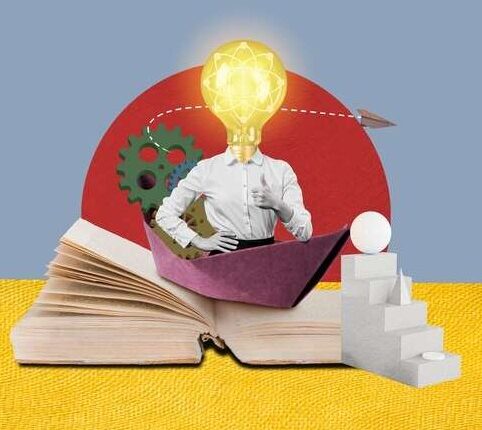
Education has always played an important role in shaping individuals and communities, but its influence extends far beyond personal development. It is also one of the most significant drivers of economic growth. Countries that invest in quality education often create stronger workforces, encourage innovation, improve productivity, and build more resilient economies. As industries continue to evolve through technology, globalization, and changing consumer needs, education remains a valuable foundation for sustainable economic progress. By helping people develop knowledge, practical skills, and the ability to adapt, education supports long-term prosperity for both individuals and society.
Economic growth refers to the increase in the production of goods and services within a country over time. While many factors contribute to economic development, including natural resources, infrastructure, and technology, the knowledge and skills of the workforce remain among the most important. Education helps individuals become productive contributors by preparing them with the abilities needed to perform effectively in a wide variety of professions.
One of the primary ways education supports economic growth is by developing a skilled workforce. Schools, colleges, universities, and vocational institutions prepare learners for careers in healthcare, engineering, business, technology, education, manufacturing, agriculture, finance, and many other industries. As workers gain stronger knowledge and practical abilities, businesses benefit from improved productivity and higher-quality services. Skilled employees are often better equipped to solve problems, communicate effectively, and contribute to organizational success.
Education also increases productivity by helping people perform tasks more efficiently. Workers who receive quality education often understand modern tools, technology, and best practices within their industries. They can complete responsibilities more accurately, adapt to changing work environments, and support continuous improvement. Higher productivity allows businesses to grow, expand operations, and contribute more effectively to the economy.
Innovation is another important connection between education and economic growth. Educational institutions encourage curiosity, creativity, research, and critical thinking. These qualities inspire students to develop new ideas, improve existing technologies, and solve real-world challenges. Many scientific discoveries, technological advancements, and business innovations begin with individuals who have developed strong educational foundations. Innovation helps industries become more competitive while creating new products, services, and employment opportunities.
Entrepreneurship also benefits from education. Many successful business owners combine technical knowledge with communication, financial planning, leadership, and problem-solving skills developed through education. Learning about business management, marketing, accounting, and customer service helps aspiring entrepreneurs build sustainable companies that create jobs and contribute to local economies. Small and medium-sized businesses often play an important role in economic development by encouraging competition, supporting innovation, and expanding employment opportunities.
Technology continues transforming workplaces across nearly every industry, making education increasingly valuable. Employees today are expected to understand digital tools, online communication, data management, and modern software platforms. Educational programs help learners develop digital literacy and technological confidence that allow them to contribute effectively in technology-driven environments. As businesses continue adopting advanced systems, educated workers support smoother transitions and greater efficiency.
Another important contribution of education is adaptability. The global economy changes rapidly because of technological advances, environmental developments, and evolving consumer demands. Workers who possess strong learning skills can adapt more easily to new technologies, changing job requirements, and emerging industries. Education encourages lifelong learning, allowing individuals to continue improving their knowledge throughout their careers rather than relying only on skills acquired early in life.
Education also strengthens communication skills, which are essential for productive workplaces. Employees regularly collaborate with colleagues, clients, suppliers, and business partners. Clear communication supports teamwork, reduces misunderstandings, and improves organizational efficiency. Educational experiences such as presentations, group projects, and written assignments help students develop these valuable interpersonal abilities before entering the workforce.
Critical thinking is another skill that contributes directly to economic growth. Modern businesses often face complex challenges requiring careful analysis and informed decision-making. Education encourages learners to evaluate information, compare solutions, and make logical judgments based on evidence. Employees with strong critical thinking abilities often contribute to improved business performance by identifying opportunities, reducing risks, and solving problems efficiently.
Higher education also supports specialized industries that require advanced expertise. Fields such as medicine, engineering, information technology, scientific research, finance, and architecture depend on professionals with extensive education and training. These sectors often drive innovation, attract investment, and contribute significantly to national economic performance. Universities and research institutions help prepare experts whose work influences many areas of society.
Another important economic benefit of education is increased employment opportunities. Individuals who continue developing their skills often become more competitive in the job market because they can meet evolving employer expectations. While career outcomes vary depending on many factors, education generally helps learners build qualifications and transferable skills that broaden their professional opportunities. Strong employment contributes to household stability and supports overall economic activity.
Education also encourages financial literacy. Understanding budgeting, saving, investing, and responsible financial planning helps individuals make informed economic decisions throughout their lives. Financially informed citizens often manage resources more effectively, contribute to stable communities, and support healthy economic systems through responsible participation in financial activities.
Communities benefit economically when education levels improve. Educated populations often attract businesses seeking skilled employees and supportive environments for investment. Companies frequently establish operations in regions where they can find qualified workers capable of meeting industry demands. This relationship between education and business development can encourage local economic growth and create additional employment opportunities.
Global competitiveness is another area where education plays an important role. Countries with well-educated populations often participate more effectively in international trade, technological development, scientific research, and innovation. Skilled professionals help organizations compete in global markets by improving product quality, developing advanced technologies, and responding effectively to changing international demands.
Education also contributes to social stability, which supports economic development. Individuals who possess knowledge, communication skills, and problem-solving abilities are often better equipped to participate constructively in their communities. Strong educational systems encourage civic responsibility, cooperation, and informed decision-making, creating environments where businesses and industries can grow with greater confidence.
Research conducted by colleges and universities also contributes significantly to economic progress. Academic research often leads to scientific discoveries, technological innovations, improved healthcare practices, sustainable agricultural methods, and environmental solutions. These advancements create new industries, improve existing processes, and generate opportunities for future economic expansion.
Another important contribution of education is workforce resilience. As industries change, some jobs evolve while new careers emerge. Workers who have developed strong learning habits can more easily update their knowledge and transition into new roles when necessary. Lifelong learning reduces the impact of economic changes by helping individuals remain adaptable and employable throughout their careers.
Education also supports sustainable economic development by encouraging responsible innovation and long-term thinking. Students learn about environmental responsibility, efficient resource management, and sustainable business practices that contribute to balanced economic progress. Businesses increasingly value professionals who understand how economic success can be achieved while supporting environmental and social well-being.
Families benefit economically from education as well. Parents who value learning often encourage educational achievement in future generations, creating positive cycles of knowledge and opportunity. Education helps individuals improve career prospects, strengthen financial planning skills, and support greater stability within households. These benefits can extend across generations, contributing to stronger communities and healthier economies.
It is important to recognize that education works most effectively when combined with equal opportunities, supportive institutions, quality teaching, and access to lifelong learning. Investment in education creates the greatest economic value when learners have opportunities to apply their knowledge through meaningful employment, entrepreneurship, research, and community engagement.
In conclusion, education has a powerful and lasting impact on economic growth by preparing skilled workers, encouraging innovation, improving productivity, and supporting lifelong learning. It strengthens communication, critical thinking, adaptability, leadership, and financial awareness while helping individuals contribute positively to businesses and society. Educated populations create stronger economies by driving technological progress, supporting entrepreneurship, and responding effectively to changing global demands. As nations continue preparing for the future, investment in quality education remains one of the most effective ways to encourage sustainable economic development, expand opportunities, and improve the well-being of communities for generations to come.