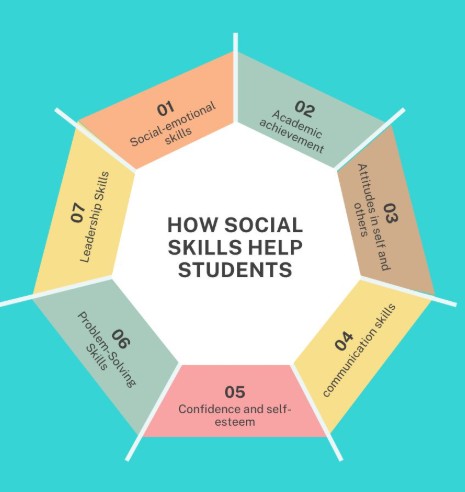
Success in school and life is often associated with intelligence, talent, or academic achievement. While these factors can certainly play a role, they are only part of the picture. Long-term success is usually built on a foundation of practical skills, positive habits, and personal qualities that help individuals navigate challenges, build relationships, and continue growing throughout their lives. Education provides valuable knowledge, but the skills students develop along the way are equally important. These abilities help learners perform well in the classroom while preparing them for future opportunities and responsibilities.
One of the most important skills for success is communication. Students use communication every day when participating in class discussions, working on group projects, asking questions, and completing written assignments. Strong communication skills help individuals express their ideas clearly and understand the perspectives of others. Effective communication also supports healthy relationships, teamwork, and leadership. In both school and life, people who communicate respectfully and confidently are often better able to share their thoughts and collaborate with others.
Time management is another essential skill. Students often balance classes, assignments, activities, family responsibilities, and personal interests. Learning how to organize time effectively helps reduce stress and improve productivity. Good time management involves setting priorities, planning ahead, and completing tasks consistently. These habits not only improve academic performance but also prepare individuals for future professional responsibilities and personal commitments.
Critical thinking is becoming increasingly valuable in the modern world. Students are exposed to information from books, websites, social media platforms, and various digital sources. Critical thinking helps learners evaluate information carefully, identify reliable sources, and make informed decisions. Instead of accepting information without question, critical thinkers analyze ideas and consider different perspectives. This skill supports problem-solving, decision-making, and independent learning throughout life.
Problem-solving is another important ability that contributes to success. Challenges are a natural part of both education and daily life. Whether solving a difficult math problem, completing a project, or managing unexpected situations, students benefit from learning how to approach challenges calmly and logically. Problem-solving skills encourage creativity, persistence, and confidence. People who develop these abilities are often better prepared to handle obstacles and find practical solutions.
Adaptability is a skill that has become especially important in recent years. Technology, workplaces, and educational systems continue to evolve, creating new opportunities and challenges. Adaptable individuals are open to learning new skills and adjusting to changing circumstances. Students who develop flexibility are often more comfortable facing unfamiliar situations and are better prepared for a future that may require continuous learning and growth.
Self-discipline plays a major role in academic and personal success. Motivation can be helpful, but it is not always consistent. Self-discipline allows individuals to stay committed to their goals even when they do not feel motivated. Students who develop discipline are more likely to complete assignments on time, maintain healthy study habits, and stay focused on long-term objectives. Over time, small acts of discipline can lead to significant achievements.
Confidence is another valuable skill that supports success in school and life. Confident students are often more willing to participate in class, ask questions, share ideas, and take on new challenges. Confidence does not mean believing that mistakes will never happen. Instead, it involves trusting in one’s ability to learn, improve, and overcome difficulties. Confidence grows through experience, effort, and positive learning experiences.
Emotional intelligence is an important but sometimes overlooked skill. Emotional intelligence involves understanding emotions, managing stress, showing empathy, and building positive relationships. Students with strong emotional intelligence often communicate more effectively and handle challenges with greater resilience. This skill contributes to healthy friendships, productive teamwork, and overall well-being. Emotional awareness also helps individuals respond thoughtfully to difficult situations rather than reacting impulsively.
Another key skill is teamwork. Many educational and professional environments require people to work together toward common goals. Students who learn how to collaborate effectively gain valuable experience in sharing ideas, respecting different viewpoints, and supporting others. Teamwork teaches responsibility and cooperation while helping individuals understand the value of collective effort. In many situations, successful collaboration can lead to stronger outcomes than working alone.
Creativity is becoming increasingly important in a world that values innovation and fresh ideas. Creative thinking allows students to explore new possibilities, develop original solutions, and express themselves in meaningful ways. Creativity is not limited to artistic activities. It can be applied to problem-solving, communication, technology, business, and many other fields. Students who develop creativity often become more adaptable and open-minded.
Organization is another skill that contributes to academic and personal success. Keeping track of assignments, schedules, notes, and responsibilities helps students stay focused and productive. Organized individuals often experience less stress because they are better prepared for upcoming tasks and deadlines. Good organizational habits can save time and improve efficiency in both school and everyday life.
Leadership is a valuable skill that can be developed through education and experience. Leadership is not only about managing others. It also involves taking responsibility, making thoughtful decisions, and encouraging positive action. Students who practice leadership often develop stronger communication skills, greater confidence, and a willingness to contribute positively to their communities. Leadership experiences help prepare individuals for future opportunities and responsibilities.
Financial awareness is another practical skill that supports long-term success. Understanding basic financial concepts such as saving, budgeting, and responsible spending can help students make informed decisions as they grow older. Financial literacy encourages independence and prepares individuals for managing personal responsibilities effectively.
Healthy habits are also essential for success in school and life. Physical and mental well-being influence concentration, energy, and productivity. Students who maintain healthy routines often find it easier to focus on learning and achieve their goals. Adequate sleep, balanced nutrition, regular physical activity, and stress management all contribute to overall success and personal growth.
Curiosity is a powerful skill that supports lifelong learning. Curious students are more likely to ask questions, explore new ideas, and seek understanding beyond basic requirements. Curiosity transforms learning into an engaging process and encourages individuals to continue developing knowledge and skills throughout their lives. People who remain curious often discover new opportunities for growth and innovation.
Resilience is another important quality that helps individuals succeed. Challenges, setbacks, and mistakes are unavoidable parts of life. Resilience allows people to recover from difficulties and continue moving forward. Students who develop resilience learn that temporary obstacles do not define their future. Instead, challenges become opportunities to learn, improve, and grow stronger.
Decision-making skills also play a significant role in personal and academic success. Every day, students make choices about how they spend their time, approach responsibilities, and interact with others. Learning to evaluate options carefully and consider potential consequences helps individuals make thoughtful decisions that support their goals and values.
Lifelong learning may be the most valuable skill of all. The world continues to change rapidly, and knowledge evolves constantly. Successful individuals understand that education does not end when school is completed. They remain open to learning new skills, exploring new ideas, and adapting to changing circumstances. Lifelong learning supports personal growth, career development, and a fulfilling life.
In conclusion, success in school and life depends on a combination of knowledge, habits, and practical skills. Communication, critical thinking, problem-solving, adaptability, self-discipline, teamwork, emotional intelligence, creativity, and resilience all contribute to personal and academic achievement. These skills help individuals navigate challenges, build meaningful relationships, and pursue opportunities with confidence. By developing these abilities throughout their educational journey, students create a strong foundation for lifelong success, growth, and fulfillment.