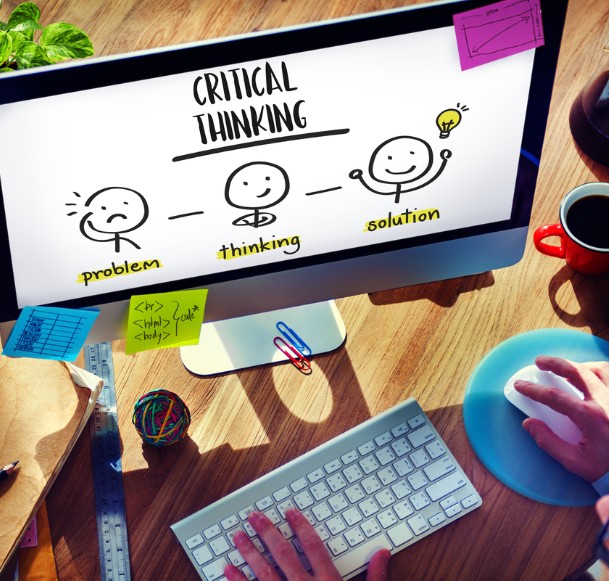
Critical thinking skills have become one of the most important parts of modern education because students today live in a world filled with information, technology, and constant change. In schools, universities, workplaces, and everyday life, people are expected to make decisions, solve problems, and evaluate information carefully. Education is no longer focused only on memorizing facts or repeating information from textbooks. Instead, students are encouraged to understand ideas deeply, ask thoughtful questions, and develop the ability to think independently. Critical thinking helps learners become more confident, responsible, and prepared for future challenges and opportunities.
Critical thinking refers to the ability to analyze information carefully, evaluate different perspectives, and make logical decisions based on evidence and understanding. Students with strong critical thinking skills do not simply accept information without reflection. They ask questions, explore ideas, and consider different viewpoints before forming conclusions. This skill is valuable in education because it encourages deeper understanding rather than surface-level learning.
One reason critical thinking is so important in education is that it improves problem-solving abilities. Students face many challenges during academic life, from understanding difficult subjects to managing assignments and making decisions about future goals. Critical thinking allows learners to examine problems calmly and identify practical solutions. Instead of feeling overwhelmed, students can break problems into smaller parts and approach them more thoughtfully. Problem-solving skills developed through critical thinking are also valuable in future careers and personal life.
Another important benefit of critical thinking is improved understanding of information. Many students can memorize facts temporarily, but true learning happens when students understand concepts deeply and connect ideas together. Critical thinking encourages learners to analyze information rather than simply repeat it. Students who think critically often remember lessons more effectively because they actively engage with the material instead of passively reading or listening.
Critical thinking also supports better decision-making. Modern students are surrounded by information from the internet, social media, digital platforms, and many other sources. Not all information available online is accurate or reliable, which makes critical thinking especially important in today’s world. Students who develop this skill learn how to evaluate sources carefully, identify trustworthy information, and avoid misinformation. These abilities help learners make more informed academic, personal, and professional decisions.
Communication skills also improve through critical thinking. Students who think critically often become better at expressing ideas clearly and explaining their reasoning. They learn how to support opinions with evidence and participate thoughtfully in discussions. Strong communication encourages respectful conversations and helps students collaborate more effectively with classmates, teachers, and future colleagues.
Creativity is another area connected to critical thinking. While critical thinking focuses on analysis and reasoning, it also encourages students to explore new ideas and different perspectives. Students who think critically often become more creative because they are willing to question assumptions and consider alternative solutions. Creativity and critical thinking together support innovation and help learners adapt to changing situations.
Another important reason critical thinking matters in education is that it encourages independent learning. Students who develop critical thinking skills become more confident in exploring subjects on their own and solving challenges independently. They learn how to ask meaningful questions, conduct research, and evaluate answers thoughtfully. Independent learners often continue improving their knowledge and abilities even outside formal educational environments.
Critical thinking also prepares students for future careers. Modern workplaces value employees who can analyze information, solve problems, communicate effectively, and adapt to change. Employers often look for individuals who can think independently and make responsible decisions rather than simply follow instructions without understanding. Students who develop strong critical thinking skills are often better prepared for professional success in many industries.
Teamwork and collaboration are also strengthened by critical thinking. Group projects and discussions often require students to listen to different opinions, share ideas respectfully, and solve problems together. Critical thinking encourages open-mindedness and understanding, helping students work more effectively with others. Collaboration supported by thoughtful discussion often leads to stronger learning experiences and better outcomes.
Another benefit of critical thinking is increased confidence. Students who understand how to analyze information and make decisions thoughtfully often feel more secure in expressing their ideas and handling academic challenges. Confidence grows when learners realize they can approach problems logically and find solutions independently. This confidence can improve participation, motivation, and overall academic performance.
Critical thinking also helps students become more adaptable. The modern world changes quickly because of technology, innovation, and global developments. Students who can think critically are often better prepared to adjust to new situations and learn new skills throughout life. Adaptability supports lifelong learning and helps individuals remain prepared for future opportunities and responsibilities.
In education, critical thinking encourages curiosity and deeper exploration of subjects. Students who ask questions and seek understanding often become more interested in learning. Curiosity motivates learners to explore ideas beyond classroom requirements and discover connections between different subjects and real-world situations. This deeper engagement often makes education more meaningful and enjoyable.
Technology has made critical thinking even more important in recent years. Digital platforms provide students with instant access to information, but they also require learners to evaluate content carefully. Students must learn how to distinguish between reliable sources and misleading information. Critical thinking supports responsible use of technology and encourages thoughtful online behavior.
Another important aspect of critical thinking is emotional awareness. Students who think critically often become better at managing emotions and understanding different perspectives. Instead of reacting impulsively, they learn to reflect carefully before making decisions or responding to challenges. Emotional awareness supports healthier communication and stronger relationships both inside and outside educational environments.
Teachers also play an important role in developing critical thinking skills. Modern education increasingly encourages discussions, problem-solving activities, project-based learning, and open-ended questions rather than only memorization. Teachers who create supportive learning environments help students feel comfortable sharing ideas and exploring different viewpoints. Encouraging thoughtful discussion and analysis helps students strengthen reasoning abilities over time.
Reading comprehension is another area improved by critical thinking. Students who analyze texts carefully and reflect on meaning often understand material more deeply. Instead of simply reading for memorization, they learn how to identify important ideas, evaluate arguments, and connect information to broader concepts. Strong reading comprehension supports success across many academic subjects.
Critical thinking also encourages responsibility and ethical decision-making. Students who consider the effects of their choices and evaluate situations carefully often make more thoughtful and respectful decisions. This skill supports positive behavior, leadership, and responsible participation in communities and society.
Another reason critical thinking is important in education is that it supports lifelong growth. Learning does not end after graduation because individuals continue facing new situations, technologies, and challenges throughout life. Critical thinking helps people remain open-minded, curious, and prepared to continue learning and adapting over time.
Patience and persistence are also connected to critical thinking. Solving complex problems and understanding difficult concepts often require time and careful thought. Students who develop patience during the learning process are often better able to handle challenges calmly and continue improving gradually.
In conclusion, critical thinking skills are extremely important in education because they help students analyze information, solve problems, communicate effectively, and make informed decisions. These skills support academic success while also preparing learners for future careers, personal growth, and lifelong learning. Critical thinking encourages curiosity, creativity, adaptability, confidence, and responsible decision-making in a rapidly changing world. As education continues evolving in the modern digital age, students who develop strong critical thinking abilities will often be better prepared to navigate challenges, explore opportunities, and contribute positively to society.