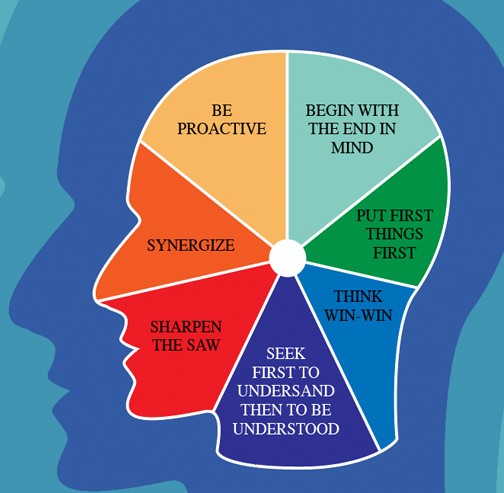
Successful students are often recognized not only for their academic achievements but also for the habits and attitudes they develop over time. Academic success rarely happens because of natural talent alone. In most cases, strong performance is built through consistency, discipline, positive thinking, and effective learning strategies. Students who perform well usually follow habits that help them stay focused, organized, motivated, and emotionally balanced throughout their educational journey. Understanding these habits can help learners improve their study routines, strengthen confidence, and achieve better long-term results in school and beyond.
One of the most powerful habits of successful students is maintaining a consistent study routine. Students who study regularly often understand information more clearly and retain knowledge more effectively than those who rely on last-minute preparation. A daily routine creates structure and helps students develop discipline over time. Consistent study sessions also reduce stress because students are less likely to feel overwhelmed before exams or assignment deadlines. Even short daily periods of focused learning can make a significant difference in academic performance.
Another important habit is setting clear and realistic goals. Successful students often understand what they want to achieve and create practical plans to reach those objectives. Goals provide direction and help students stay motivated during difficult subjects or busy schedules. Instead of focusing only on large achievements, successful learners often divide goals into smaller tasks that feel more manageable. Completing small goals regularly creates a sense of progress and encourages continued effort.
Strong time management is another key habit of successful students. Managing time effectively allows students to balance academic responsibilities with personal life, hobbies, and rest. Students who organize their schedules carefully are often better prepared for assignments, projects, and exams. Planning ahead also helps reduce unnecessary stress and prevents work from building up over time. Many successful students use planners, calendars, or digital tools to track deadlines and stay organized throughout the academic year.
Another powerful habit is practicing active learning instead of passive studying. Successful students often engage directly with the material rather than simply reading notes repeatedly. They ask questions, explain ideas in their own words, practice problems, and review concepts actively. Active learning encourages deeper understanding and strengthens long-term memory. Students who interact with the material more thoughtfully are often better prepared to apply knowledge in practical situations and exams.
Successful students also develop the habit of staying organized. Keeping notes, books, assignments, and digital materials organized saves time and improves productivity. An organized learning environment can reduce distractions and help students focus more effectively. Many successful learners create systems for managing their responsibilities, which allows them to study more efficiently and avoid confusion during busy periods.
Another important habit is maintaining a positive mindset. Academic challenges, difficult subjects, and occasional mistakes are natural parts of learning. Successful students often understand that improvement happens gradually through effort and persistence. Instead of becoming discouraged by setbacks, they focus on learning from mistakes and continuing to improve. A positive attitude encourages resilience and helps students stay motivated even when facing obstacles.
Healthy lifestyle habits also play a major role in academic success. Successful students often recognize the connection between physical health and mental performance. Quality sleep, regular physical activity, healthy meals, and proper hydration can improve concentration, memory, and emotional balance. Students who take care of their health are often more energized and better prepared to handle academic responsibilities effectively.
Another valuable habit is limiting distractions during study sessions. Modern students face many interruptions from social media, messaging applications, and entertainment platforms. Successful learners often create focused study periods where they minimize unnecessary distractions and concentrate fully on one task at a time. This habit improves productivity and allows students to complete work more efficiently.
Strong communication skills are also common among successful students. Effective communication allows learners to ask questions, participate in discussions, and collaborate with others more confidently. Through communication, students can clarify difficult concepts and build stronger relationships with classmates and teachers. Positive communication also supports teamwork and cooperation during group projects and learning activities.
Successful students also understand the importance of reviewing information regularly. Waiting until the last moment to study often increases stress and reduces understanding. Reviewing lessons consistently over time helps strengthen memory and improves long-term retention of information. Many successful students schedule regular review sessions to reinforce learning and prepare for future assessments gradually.
Adaptability is another habit that supports academic success. Different subjects and learning environments often require different approaches, and successful students remain open to adjusting their study methods when necessary. Some learners may benefit from visual materials, while others prefer discussion, reading, or practical exercises. Being flexible and willing to experiment with learning strategies can help students discover methods that work best for them personally.
Another important habit is asking for help when needed. Successful students understand that learning is a process and that seeking support is a sign of responsibility rather than weakness. Asking teachers, classmates, or mentors for clarification can improve understanding and reduce frustration. Students who seek help early are often better able to overcome challenges and continue progressing academically.
Self-discipline is another powerful quality developed by successful students. Discipline helps learners stay committed to their goals even when motivation changes from day to day. Successful students often complete responsibilities on time, follow study schedules, and continue working even during difficult moments. Building self-discipline gradually through consistent habits can create lasting improvements in both academic and personal growth.
Successful students also value curiosity and lifelong learning. They often explore topics beyond classroom requirements and remain interested in discovering new ideas and perspectives. Curiosity encourages deeper understanding and makes learning more enjoyable. Students who enjoy learning often stay more motivated and continue developing valuable skills throughout life.
Emotional awareness is another habit that contributes to academic success. Students sometimes experience stress, frustration, or pressure during their educational journey. Successful learners recognize the importance of managing emotions in healthy ways. Taking breaks, practicing relaxation techniques, and maintaining supportive relationships can help students stay emotionally balanced and focused.
Collaboration is another valuable habit developed by successful students. Working with others allows students to exchange ideas, gain different perspectives, and strengthen teamwork skills. Group discussions and collaborative projects often improve communication and deepen understanding of subjects. Successful students understand the importance of respectful cooperation and shared learning experiences.
Confidence is also an important part of academic achievement. Successful students often believe that they can improve through effort and persistence. Confidence encourages learners to participate actively, take initiative, and approach challenges with a positive attitude. Over time, confidence grows through consistent practice and personal growth.
Balance is another essential habit of successful students. Academic achievement is important, but successful learners also recognize the value of rest, hobbies, friendships, and emotional well-being. Maintaining balance helps prevent burnout and supports long-term motivation and happiness. Students who create healthy routines are often better prepared to manage responsibilities while enjoying their educational experiences.
Patience is equally important in the learning process. Success rarely happens immediately, and improvement often requires time and steady effort. Successful students remain patient with themselves and understand that growth happens gradually. This mindset allows them to continue learning even during challenging periods.
In conclusion, successful students often share habits that support discipline, motivation, organization, and emotional balance. Consistent study routines, realistic goals, active learning, positive thinking, healthy lifestyles, and effective time management all contribute to stronger academic performance. Through self-discipline, adaptability, collaboration, and lifelong curiosity, students can continue improving their understanding and confidence over time. By developing these powerful habits gradually and consistently, learners can create balanced, productive, and fulfilling educational journeys that support both academic achievement and personal growth.