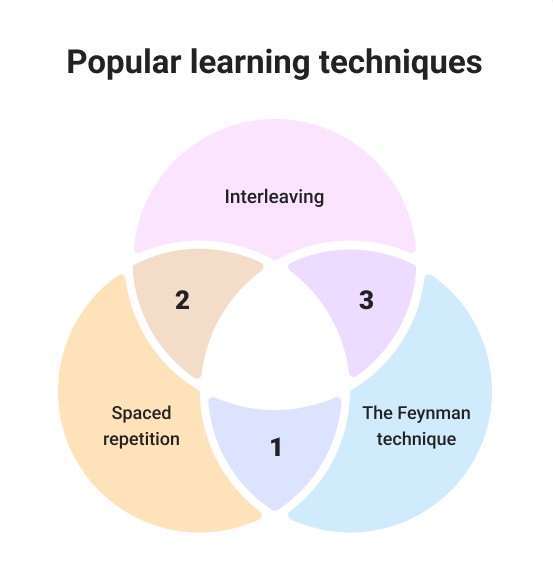
Studying effectively is one of the most important skills students can develop because strong learning habits can improve academic performance, build confidence, and reduce unnecessary stress. In today’s fast-moving educational environment, students often face large amounts of information, multiple assignments, and limited time to prepare for exams or projects. The good news is that learning faster does not always mean studying longer. In many cases, improving study methods and daily habits can make learning more efficient and enjoyable. Understanding the best study tips can help students stay organized, improve focus, and build long-term learning success.
One of the best study tips for improving learning quickly is creating a consistent study routine. Students who study regularly often retain information more effectively than those who only study occasionally before exams. A routine helps the brain become familiar with focused learning periods, making concentration easier over time. Setting aside specific hours each day for studying can improve discipline and reduce the pressure caused by last-minute preparation.
Another important study tip is choosing a quiet and organized study environment. A clean and comfortable space can improve concentration and reduce distractions. Students often learn better when they study in environments that support focus and calm thinking. Keeping study materials organized also saves time and helps students stay mentally prepared for learning sessions.
Time management is another essential factor in learning effectively. Many students struggle not because they lack ability, but because they have difficulty managing their schedules. Breaking study sessions into smaller and manageable periods can make learning feel less overwhelming. Taking short breaks between study sessions can also help improve focus and reduce mental fatigue. A balanced schedule supports productivity while helping students maintain healthy energy levels throughout the day.
Active learning is another powerful strategy for improving understanding and memory. Instead of only reading textbooks or notes repeatedly, students can improve learning by engaging directly with the material. Explaining ideas aloud, summarizing information in personal words, and teaching concepts to others can strengthen understanding and memory retention. Active learning encourages deeper thinking and helps students connect ideas more effectively.
Taking clear and organized notes is another helpful study tip. Writing notes during lessons or study sessions encourages students to focus on key ideas and important details. Organized notes make review sessions more effective and help students remember information more clearly. Some students also find that rewriting or summarizing notes after class improves understanding and reinforces learning.
Setting realistic goals is another important part of studying effectively. Large assignments or difficult subjects can sometimes feel overwhelming, but dividing goals into smaller tasks makes progress easier to manage. Achieving small goals regularly can increase motivation and confidence. Students who set practical study goals often feel more encouraged to continue learning consistently.
Reading comprehension is another area that can improve learning speed. Instead of reading quickly without understanding, students benefit more from focused reading that encourages reflection and analysis. Asking questions while reading and identifying main ideas can improve comprehension and memory. Taking time to understand concepts clearly often saves time later because students need fewer review sessions.
Technology can also support faster and more effective learning when used responsibly. Educational applications, online courses, videos, and digital tools provide flexible ways to explore subjects and improve skills. Many students use technology to access additional explanations, practice exercises, and interactive learning resources. However, it is important to maintain balance because excessive distractions from social media or entertainment can reduce concentration and productivity.
Another valuable study tip is practicing self-discipline and reducing distractions during study sessions. Notifications, unnecessary browsing, and multitasking can interrupt concentration and make studying less effective. Focusing on one task at a time often improves understanding and helps students complete work more efficiently. Developing self-discipline gradually can lead to stronger study habits and better long-term results.
Sleep and physical well-being also play an important role in learning. Students sometimes underestimate how much rest affects memory, focus, and mental performance. Quality sleep allows the brain to process and organize information learned during the day. Regular exercise, healthy eating, and staying hydrated can also improve energy levels and concentration. A healthy lifestyle supports better academic performance and emotional balance.
Confidence is another important factor in improving learning speed. Students who believe they can improve through effort often approach challenges with a more positive attitude. Confidence encourages persistence and reduces fear of mistakes. Education is a process of growth, and mistakes are often valuable opportunities to learn and improve. Students who remain patient with themselves often develop stronger learning habits over time.
Collaboration can also support faster learning. Studying with classmates or discussing ideas with others allows students to exchange perspectives and clarify difficult concepts. Group discussions can improve communication skills and deepen understanding of subjects. However, it is important for group study sessions to remain focused and organized so they continue supporting productive learning.
Critical thinking is another skill that helps students improve learning more effectively. Instead of memorizing information without understanding, students benefit from analyzing ideas, asking questions, and connecting concepts. Critical thinking encourages deeper understanding and helps students apply knowledge in practical situations. This approach often leads to stronger academic performance and better long-term retention.
Reviewing information regularly is another valuable study habit. Many students forget information quickly when they only study once. Revisiting concepts over time helps strengthen memory and understanding. Short review sessions throughout the week are often more effective than trying to memorize large amounts of information in one day. Consistent review supports long-term learning and reduces stress before exams.
Motivation also plays a major role in academic success. Students often learn more effectively when they connect education to personal goals and future opportunities. Understanding why learning matters can encourage stronger commitment and focus. Positive motivation helps students remain consistent even during difficult subjects or busy schedules.
Another important study tip is maintaining a balanced lifestyle. Academic success is important, but students also benefit from healthy relationships, hobbies, and relaxation. Taking time to rest and recharge can improve concentration and emotional well-being. Balance supports long-term motivation and helps students avoid burnout.
Adaptability is another quality that supports successful learning. Different students often learn in different ways, and study methods may need adjustment depending on the subject or situation. Some students learn best through visual materials, while others prefer reading, discussion, or practical exercises. Being open to different study techniques can help students discover the methods that work best for them.
Patience is also essential when improving study habits. Learning new subjects and developing strong academic skills takes time and consistent effort. Students who remain patient and committed often experience gradual improvement in understanding and performance. Success in education is usually built through regular practice and continuous growth rather than instant results.
In conclusion, improving learning quickly involves more than studying for long hours. Effective study habits such as creating routines, managing time wisely, practicing active learning, staying organized, and maintaining healthy balance can make education more productive and enjoyable. Strong study skills support confidence, critical thinking, and long-term academic success while helping students reduce stress and stay motivated. By using thoughtful learning strategies and remaining committed to personal growth, students can continue improving their understanding and achieve meaningful educational progress throughout their academic journey.