Learning skills are essential tools that help individuals gain knowledge, solve problems, communicate effectively, and adapt to new situations throughout life. These skills go beyond academic success because they influence personal growth, professional development, and social interaction. Strong learning skills support confidence, creativity, organization, and critical thinking while helping individuals remain prepared for a rapidly changing world. The importance of learning skills continues to grow as technology, communication, and modern lifestyles create new opportunities and responsibilities for people of all ages.
At its core, learning skills involve the ability to understand information, apply knowledge, and continue improving through experience and practice. These skills include reading, listening, communication, problem-solving, time management, reflection, and adaptability. Individuals who develop effective learning habits are often better prepared to manage challenges and achieve personal and professional goals. Learning skills encourage continuous growth and help individuals remain curious and motivated throughout life.
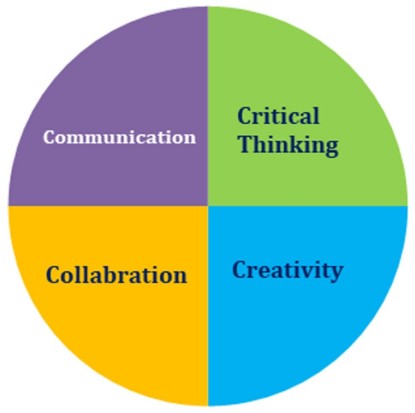
One of the most important learning skills is critical thinking. Critical thinking helps individuals evaluate information carefully and make thoughtful decisions. In modern society, people encounter information from many different sources every day, and strong critical thinking skills allow them to recognize reliable ideas and avoid confusion. Education encourages individuals to ask questions, analyze situations, and consider different perspectives before reaching conclusions. This skill supports balanced decision-making and encourages independent thought.
Communication is another essential learning skill that influences many areas of life. Strong communication allows individuals to express ideas clearly, understand others more effectively, and build meaningful relationships. Reading, writing, listening, and speaking are all important parts of communication. Education helps individuals strengthen these abilities through discussion, collaboration, and practice. Good communication skills contribute to teamwork, cooperation, and healthy social interaction.
Another important learning skill is problem-solving. Everyday life often presents situations that require thoughtful analysis and practical solutions. Individuals who develop strong problem-solving abilities are often better prepared to approach challenges calmly and creatively. Learning how to identify issues, consider options, and make informed decisions helps individuals navigate responsibilities more effectively and build confidence in their abilities.
Adaptability is another valuable learning skill in today’s changing world. Technology, communication, and social environments continue to evolve, and individuals who can adapt to new situations are often more successful in handling change. Adaptability encourages flexibility and openness to learning new ideas and skills. Education supports adaptability by encouraging curiosity and helping individuals understand that growth often comes through new experiences.
Technology has made learning skills even more important because access to information is greater than ever before. Online learning platforms, digital communication tools, and educational resources allow individuals to learn from almost anywhere. However, technology also requires individuals to manage information carefully and use digital tools responsibly. Strong learning skills help people stay organized, focused, and thoughtful while exploring information online.
Creativity is another essential learning skill that contributes to personal and professional development. Creativity allows individuals to think imaginatively, explore possibilities, and develop original ideas. Learning environments that encourage creativity inspire curiosity and innovation while helping individuals express themselves in meaningful ways. Creative thinking also supports problem-solving by encouraging individuals to approach challenges from different perspectives.
Time management is another important learning skill that influences productivity and balance. Individuals who learn how to organize their time effectively are often better prepared to manage responsibilities and reduce unnecessary stress. Time management helps people focus on priorities and maintain consistency in their learning and personal development. Education often teaches individuals how to create routines and stay committed to their goals through planning and organization.
Self-awareness also plays a major role in learning and development. Understanding personal strengths, interests, and areas where improvement is needed helps individuals approach learning more effectively. Self-awareness encourages reflection and supports personal growth by helping individuals recognize how they learn best. Learning becomes more meaningful when individuals connect knowledge to their goals and experiences.
Collaboration is another valuable learning skill that supports communication and teamwork. Working with others allows individuals to exchange ideas, gain different perspectives, and strengthen social skills. Educational environments often encourage group activities and shared problem-solving experiences that teach cooperation and mutual respect. Collaboration helps individuals appreciate the value of learning from others while contributing positively to shared goals.
Emotional awareness is also connected to strong learning skills. Understanding emotions and learning how to respond thoughtfully to challenges can improve communication and decision-making. Emotional awareness helps individuals remain patient, focused, and resilient during difficult situations. Education encourages empathy and thoughtful interaction, both of which contribute to healthier relationships and stronger personal development.
Reflection is one of the most meaningful learning skills because it helps individuals evaluate experiences and recognize opportunities for improvement. Taking time to think about lessons, decisions, and personal progress encourages mindfulness and deeper understanding. Reflection supports continuous growth by helping individuals identify successful habits and areas where change may be needed.
Lifelong learning is closely connected to the importance of learning skills because personal and professional development continue throughout life. Individuals who develop strong learning skills often remain curious, adaptable, and motivated to explore new knowledge and experiences. Lifelong learning supports intellectual growth and helps individuals stay prepared for changing opportunities and responsibilities.
Confidence is another valuable outcome of strong learning skills. As individuals improve their abilities and gain knowledge, they often become more comfortable pursuing goals and participating in discussions and activities. Confidence encourages people to take initiative, explore opportunities, and continue learning from their experiences. Education helps individuals understand that progress happens through practice and persistence.
Practical life skills are also strengthened through effective learning habits. Skills such as organization, communication, critical thinking, and adaptability help individuals manage responsibilities and maintain balance in daily life. These abilities contribute to independence and support healthier personal and professional relationships.
Resilience is another important quality connected to learning skills. Challenges and setbacks are natural parts of growth, and individuals who continue learning often become more patient and emotionally strong. Resilience encourages people to view difficulties as opportunities for improvement rather than reasons to stop trying. Strong learning skills help individuals remain motivated and continue progressing despite obstacles.
Another significant aspect of learning skills is their role in personal fulfillment and purpose. Individuals who continue learning often discover interests, talents, and goals that bring meaning to their lives. Learning encourages curiosity and exploration while helping people build fulfilling lifestyles guided by growth and understanding.
Balancing learning with well-being is also important. Effective learning skills should support healthy routines, emotional balance, and meaningful relationships rather than unnecessary stress. Individuals who create balanced learning habits are often better prepared to maintain long-term growth and overall happiness.
In conclusion, the importance of learning skills extends far beyond education because these abilities influence personal growth, communication, problem-solving, and lifelong success. Strong learning skills support critical thinking, creativity, adaptability, confidence, and emotional awareness while helping individuals navigate a changing world with greater understanding and resilience. Through reflection, collaboration, and continuous development, learning skills encourage meaningful progress and balanced living. By valuing learning as an ongoing journey, individuals can continue improving themselves and building successful, fulfilling lives guided by curiosity and growth.