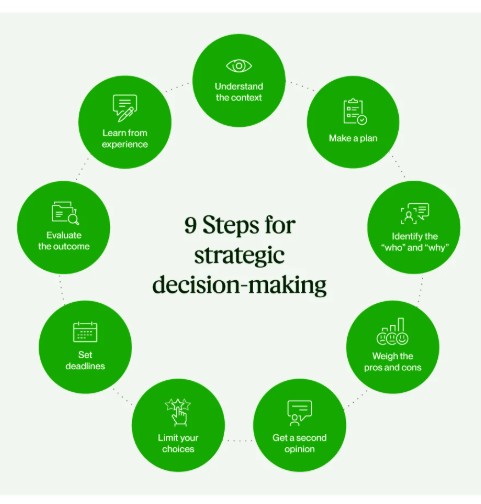
Learning plays an important role in improving decision-making because it helps individuals understand situations more clearly, evaluate options carefully, and respond thoughtfully to challenges. Every day, people make decisions that affect their personal lives, relationships, responsibilities, and future opportunities. Some decisions are simple, while others require deeper thought and careful planning. Through continuous learning, individuals gain the knowledge, skills, and confidence needed to make more informed and balanced choices.
At its core, learning expands understanding. When individuals explore new ideas and gain knowledge, they become better prepared to recognize opportunities and challenges. Learning helps people understand the possible outcomes of different actions, making it easier to choose solutions that support long-term growth and well-being. Better understanding creates stronger awareness, which is one of the foundations of thoughtful decision-making.
Critical thinking is one of the most important ways learning supports better decisions. Critical thinking encourages individuals to analyze information carefully rather than reacting quickly or emotionally. It involves evaluating facts, considering different perspectives, and thinking about possible consequences before making a choice. Learning strengthens critical thinking by encouraging curiosity, reflection, and careful observation. These habits help individuals make decisions with greater confidence and understanding.
Another important aspect of learning and decision-making is problem-solving. Challenges are a natural part of life, and learning helps individuals approach them in a calm and organized way. Problem-solving skills allow people to break situations into smaller parts, identify possible solutions, and consider which option is most effective. Through learning and experience, individuals become more capable of responding thoughtfully to difficult situations.
Communication skills also influence decision-making. Learning how to express ideas clearly and listen carefully to others helps individuals gather useful information and understand different viewpoints. Meaningful conversations often provide valuable insight that can guide decisions. Strong communication supports collaboration and encourages respectful discussion, which can lead to more balanced and informed outcomes.
Self-awareness is another important factor in making better decisions. Through learning and reflection, individuals gain a clearer understanding of their values, goals, strengths, and habits. This awareness helps people make choices that align with their priorities and long-term well-being. Learning encourages individuals to reflect on experiences and understand how emotions, assumptions, and past experiences can influence decisions.
Technology has changed the way people access information and make decisions. Digital tools, online resources, and communication platforms provide large amounts of information quickly and easily. While this accessibility can be helpful, it also requires individuals to think carefully about what information is reliable and useful. Learning helps individuals evaluate digital information thoughtfully and avoid making decisions based on incomplete or misleading content.
Adaptability is another important quality strengthened through learning. Life often involves unexpected situations and changing circumstances. Individuals who continue learning are usually more prepared to adjust and respond positively to change. Adaptability supports decision-making by helping people remain open-minded and flexible rather than becoming overwhelmed by uncertainty.
Another valuable benefit of learning is emotional awareness. Emotions can strongly influence decisions, especially during stressful or uncertain situations. Learning helps individuals understand their emotions and respond thoughtfully instead of reacting impulsively. Emotional awareness supports patience, empathy, and balanced thinking, all of which contribute to healthier decision-making.
Experience also plays a major role in learning for better decisions. Many important lessons come from everyday situations and personal challenges. Experiences help individuals recognize patterns, understand consequences, and improve judgment over time. Learning from both successes and mistakes allows people to make more informed choices in the future.
Creativity can also improve decision-making. Learning encourages individuals to explore different ideas and consider alternative solutions to problems. Creative thinking helps people move beyond limited options and discover new possibilities. In many situations, innovative thinking can lead to better outcomes and more effective problem-solving.
Confidence is another important result of learning. Individuals who gain knowledge and develop practical skills often feel more capable of making decisions independently. Confidence helps people trust their judgment and approach challenges with a calm mindset. At the same time, learning encourages humility and reminds individuals that growth and improvement are continuous processes.
Reflection is an essential part of better decision-making. Taking time to think about experiences, outcomes, and lessons learned helps individuals improve future choices. Reflection encourages thoughtful learning and allows people to recognize what worked well and what could be improved. Through reflection, decision-making becomes a process of continuous growth rather than a single moment of action.
Cultural awareness also contributes to thoughtful decisions. Learning about different perspectives, traditions, and experiences helps individuals understand how decisions may affect others. This awareness encourages empathy and respect, leading to more balanced and considerate choices. Education and cultural learning support open-mindedness and thoughtful communication.
Collaboration is another important part of decision-making. Learning to work with others helps individuals understand the value of shared perspectives and collective problem-solving. Discussions and teamwork can reveal ideas or solutions that may not have been considered individually. Collaboration encourages respect for different viewpoints while supporting stronger outcomes.
Lifelong learning is closely connected to effective decision-making. The world continues to change, and new information and challenges emerge constantly. Individuals who continue learning throughout life remain adaptable and informed. Lifelong learning supports continuous improvement and helps individuals respond more confidently to unfamiliar situations.
Practical life skills developed through learning also improve decision-making. Skills such as organization, time management, communication, and planning help individuals manage responsibilities more effectively. These abilities create structure and support balanced choices in both personal and professional life.
Resilience is another quality strengthened through learning. Difficult experiences and setbacks often provide valuable lessons that improve future decisions. Learning how to recover from mistakes and continue moving forward helps individuals remain calm and focused during challenges. Resilient individuals are often better prepared to make thoughtful choices under pressure.
Balancing careful thinking with timely action is also important. Learning helps individuals recognize when to gather more information and when to make decisions confidently. Thoughtful decision-making does not require perfection but rather a willingness to learn, reflect, and adapt when necessary.
In conclusion, learning for better decision-making is an ongoing process that supports awareness, critical thinking, emotional understanding, and personal growth. Through continuous learning, individuals become more capable of evaluating situations, considering different perspectives, and making informed choices. Learning strengthens confidence, adaptability, and problem-solving skills while encouraging thoughtful reflection and responsible action. By embracing lifelong learning, individuals can continue improving the quality of their decisions and create more balanced and meaningful lives.