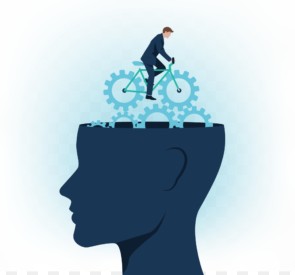
Learning through experience is one of the most natural and meaningful ways individuals grow and develop throughout life. While books, lessons, and formal education provide valuable knowledge, real understanding often becomes stronger when people apply what they learn in practical situations. Experiences shape the way individuals think, solve problems, communicate, and adapt to new environments. Through everyday moments, challenges, and interactions, people gain insights that help them better understand themselves and the world around them.
At its core, experiential learning involves gaining knowledge through direct involvement. Instead of only hearing about an idea, individuals actively engage with it. This type of learning creates stronger connections between knowledge and real-life situations. When people experience something firsthand, they are more likely to remember it, understand it deeply, and apply it effectively in the future.
One of the most important benefits of learning through experience is the development of practical understanding. Reading about communication, problem-solving, or teamwork can provide useful information, but actively practicing these skills in daily life creates stronger confidence and ability. Experience allows individuals to see how ideas work in real situations and helps them understand the results of different choices and actions.
Problem-solving skills are often strengthened through experience. Challenges are part of everyday life, and individuals learn valuable lessons when they work through difficulties. Experiences teach people how to remain patient, think carefully, and adapt when situations do not go as planned. By facing challenges directly, individuals develop stronger decision-making abilities and greater confidence in their problem-solving skills.
Another important aspect of learning through experience is self-awareness. Everyday experiences help individuals understand their strengths, habits, preferences, and areas where they can improve. Reflection on these experiences encourages personal growth and helps individuals make more thoughtful decisions in the future. Self-awareness developed through experience often leads to increased confidence and emotional understanding.
Communication skills are also improved through experiential learning. Interacting with different people in real-life situations teaches individuals how to express ideas clearly, listen carefully, and respond thoughtfully. Communication becomes more effective when individuals learn from actual conversations and social experiences. These interactions encourage empathy, patience, and understanding.
Adaptability is another valuable quality that develops through experience. Life is constantly changing, and individuals often encounter unexpected situations that require flexibility. Experiential learning helps people become more comfortable with change by teaching them how to adjust and respond calmly. Adaptability supports personal growth and helps individuals approach new experiences with confidence rather than fear.
Technology has expanded opportunities for experiential learning in many ways. Online collaboration, virtual communication, and digital learning platforms allow individuals to participate in interactive experiences from different locations. People can now explore new skills, connect with diverse perspectives, and engage in practical learning activities through technology. These experiences support growth and make learning more accessible.
Another important benefit of learning through experience is the development of resilience. Not every experience leads to immediate success, and setbacks are often valuable teachers. Individuals who learn through experience understand that mistakes can lead to improvement and deeper understanding. These lessons build persistence and encourage a positive attitude toward growth and change.
Creativity is also strengthened through experiential learning. When individuals explore situations firsthand, they often discover new ways to think and solve problems. Experience encourages curiosity and experimentation, allowing individuals to approach challenges with imagination and openness. Creativity developed through experience supports innovation and personal expression.
Experiential learning also encourages critical thinking. Real-life situations often require individuals to analyze information, evaluate choices, and make thoughtful decisions. These experiences strengthen the ability to think independently and approach challenges with logic and understanding. Critical thinking developed through experience helps individuals navigate everyday life more effectively.
Another valuable aspect of learning through experience is emotional growth. Personal experiences teach individuals how to understand and manage emotions in different situations. Learning through relationships, challenges, and successes helps people develop empathy and emotional awareness. These qualities support healthier communication and stronger connections with others.
Collaboration is often enhanced through experiential learning as well. Working with others on shared tasks or challenges teaches individuals how to cooperate, communicate, and contribute effectively. Group experiences provide opportunities to learn from different perspectives and understand the importance of teamwork. Collaboration developed through experience strengthens relationships and community connections.
Confidence is another major outcome of experiential learning. As individuals gain practical knowledge and overcome challenges, they often feel more capable and prepared for future situations. This confidence encourages individuals to take initiative, explore opportunities, and continue learning. Experience shows people that growth is possible through effort and persistence.
Lifelong learning is closely connected to learning through experience. Every stage of life provides opportunities to gain new understanding and skills. Experiences continue shaping individuals long after formal education ends. Those who remain open to learning from everyday situations often develop greater adaptability, awareness, and resilience over time.
Reflection is an essential part of experiential learning. Taking time to think about experiences helps individuals understand what they have learned and how they can improve. Reflection turns experiences into meaningful lessons by encouraging thoughtful analysis and personal insight. This process supports continuous growth and stronger decision-making.
Practical life skills are also developed through experience. Skills such as time management, organization, communication, and responsibility often become stronger when individuals apply them in real-life situations. These practical abilities help individuals manage daily responsibilities and create balance in their lives.
Learning through experience also supports cultural understanding. Interacting with people from different backgrounds and exploring diverse environments helps individuals develop empathy and appreciation for different perspectives. These experiences encourage open-mindedness and respectful communication, which are important in an increasingly connected world.
Balancing experiential learning with formal education can create a more complete and meaningful approach to growth. Knowledge gained from reading and study becomes more valuable when combined with practical application. Experiences help individuals understand how ideas work in everyday life and why learning matters beyond theory.
In conclusion, learning through experience is a powerful and natural process that supports personal growth, confidence, adaptability, and understanding. By engaging directly with challenges, relationships, and opportunities, individuals gain practical knowledge that shapes the way they think and interact with the world. Experiential learning encourages reflection, creativity, and resilience, helping individuals continue growing throughout every stage of life.