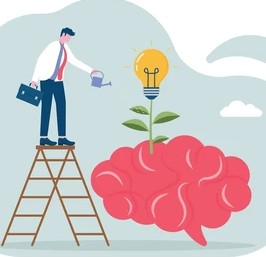
Learning is one of the most powerful tools for growth and change. It shapes the way individuals understand the world, respond to challenges, and develop throughout life. While many people associate learning with schools or formal education, true learning continues far beyond classrooms. It happens through experiences, conversations, reflection, and everyday situations. When individuals embrace learning as a lifelong process, they create opportunities for personal growth, positive change, and a more meaningful understanding of themselves and others.
At its core, learning begins with curiosity. The desire to explore new ideas and ask questions encourages individuals to seek knowledge and understanding. Curiosity keeps the mind active and open to different perspectives. It motivates individuals to move beyond what is familiar and discover new possibilities. This willingness to learn is often the first step toward meaningful growth and transformation.
One of the most important ways learning supports growth is by expanding understanding. Every new piece of knowledge helps individuals see situations more clearly and think more thoughtfully. Learning allows people to recognize connections between ideas and gain a broader perspective on life. This deeper understanding supports informed decision-making and helps individuals respond to challenges with confidence.
Critical thinking is another important outcome of learning that contributes to growth and change. Critical thinking involves analyzing information, considering different viewpoints, and making balanced decisions. Learning encourages individuals to question assumptions and explore ideas carefully rather than accepting information without reflection. This thoughtful approach supports personal development and helps individuals adapt to new situations more effectively.
Learning also strengthens adaptability, which is essential in a changing world. Technology, communication, and daily life continue to evolve, and individuals who are willing to learn are often better prepared to adjust. Adaptability allows people to remain flexible and open-minded when faced with unfamiliar situations. Learning provides the tools needed to respond to change with confidence rather than fear or uncertainty.
Another valuable aspect of learning is the development of self-awareness. Through education and personal experiences, individuals gain a better understanding of their strengths, interests, and areas where they can improve. This self-awareness helps guide personal goals and encourages meaningful growth. Learning becomes more than gaining information; it becomes a process of understanding oneself more deeply.
Communication skills are also strengthened through learning. Being able to express ideas clearly and understand others helps individuals build stronger relationships and collaborate more effectively. Communication supports growth because it encourages the exchange of ideas and perspectives. Through meaningful conversations and shared experiences, individuals continue learning from one another.
Technology has expanded opportunities for learning in many ways. Online resources, digital platforms, and interactive tools make information more accessible than ever before. Individuals can now explore new topics, develop practical skills, and connect with others from around the world. Technology supports continuous learning and allows individuals to adapt learning experiences to fit their personal goals and lifestyles.
Creativity is another important part of learning for growth and change. Exposure to new ideas and experiences encourages individuals to think in imaginative ways and explore different solutions. Creativity helps people approach challenges with flexibility and innovation. Learning supports creativity by encouraging curiosity, experimentation, and open-minded thinking.
Problem-solving skills are also closely connected to learning. Challenges are part of everyday life, and the ability to approach them thoughtfully is essential for growth. Learning helps individuals analyze situations, consider possible solutions, and take constructive action. These problem-solving abilities build confidence and encourage independence.
Resilience is another quality that grows through learning. The process of learning often includes mistakes, setbacks, and challenges. These experiences teach persistence and encourage individuals to continue moving forward even when progress feels difficult. Resilience helps individuals handle change more effectively and view challenges as opportunities for improvement rather than barriers.
Learning also encourages empathy and understanding. Exposure to different cultures, ideas, and experiences helps individuals appreciate perspectives beyond their own. This understanding supports stronger relationships and encourages respectful interaction. Personal growth often includes becoming more open-minded and considerate of others, and learning plays a key role in that process.
Confidence is another benefit of continuous learning. As individuals gain knowledge and improve their skills, they often feel more capable of handling different situations. This confidence encourages individuals to take initiative, pursue opportunities, and embrace change. Learning creates a sense of empowerment by showing individuals that growth is always possible.
Reflection is an important part of learning for growth and change. Taking time to think about experiences and lessons helps individuals understand how they have developed and what they can improve. Reflection encourages thoughtful decision-making and supports continuous personal development. Through reflection, individuals can recognize progress and gain motivation to continue learning.
Collaboration also enhances learning and growth. Working with others allows individuals to share ideas, learn from different perspectives, and build meaningful connections. Collaboration encourages teamwork and mutual respect while also expanding understanding. Learning together often creates stronger solutions and deeper insights.
Lifelong learning is especially important when it comes to personal growth and change. Learning does not stop after formal education. Every stage of life presents opportunities to gain new understanding and develop new skills. Individuals who embrace lifelong learning remain curious, adaptable, and engaged with the world around them. This ongoing process supports long-term growth and fulfillment.
Practical life skills are another important outcome of learning. Skills such as organization, communication, decision-making, and time management help individuals navigate daily responsibilities more effectively. These abilities support balance and stability while also encouraging personal independence and growth.
Balancing learning with everyday life can be achieved through small and consistent efforts. Reading, exploring new ideas, practicing skills, and reflecting on experiences are all ways to continue learning without overwhelming daily routines. Learning becomes most meaningful when it is integrated naturally into life and connected to personal experiences.
In conclusion, learning for growth and change is a continuous process that supports understanding, adaptability, confidence, and personal development. It encourages individuals to explore new ideas, think critically, and embrace opportunities for improvement. Through lifelong learning, individuals can navigate change with resilience and create meaningful progress in both personal and social aspects of life.