Education is often associated with academic subjects and career preparation, but one of its most valuable purposes is helping individuals develop life skills. These skills are essential for managing everyday responsibilities, building relationships, solving problems, and making informed decisions. Education for life skills goes beyond memorizing information. It focuses on preparing individuals to navigate daily experiences with confidence, adaptability, and understanding.
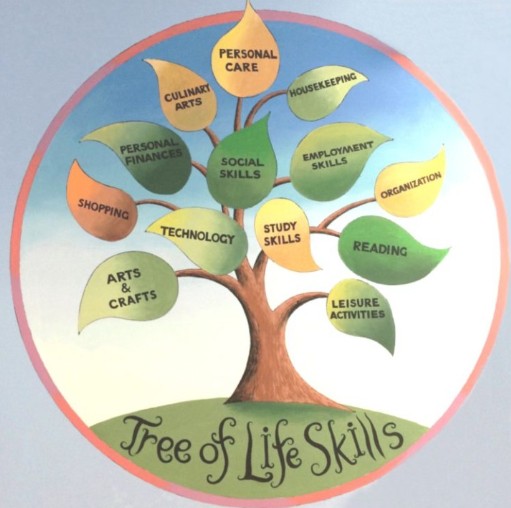
Life skills are the abilities that support personal growth and practical living. They include communication, critical thinking, organization, emotional awareness, and problem-solving. These skills are useful in nearly every situation, whether at home, in social settings, or in professional environments. Education provides a foundation for developing these abilities, helping individuals become more capable and self-reliant.
One of the most important life skills developed through education is communication. Learning how to express ideas clearly and understand others is essential for building strong relationships and working effectively with people. Communication skills support meaningful conversations, encourage collaboration, and help prevent misunderstandings. Education gives individuals opportunities to practice speaking, listening, and writing, all of which contribute to stronger interactions.
Problem-solving is another key life skill supported by education. Challenges are a natural part of life, and the ability to approach them with a calm and thoughtful mindset is valuable. Education helps individuals learn how to analyze situations, consider possible solutions, and make informed choices. This approach reduces stress and encourages confidence when handling difficult situations.
Critical thinking also plays a major role in life skills education. The ability to evaluate information, recognize patterns, and think independently helps individuals make better decisions. In a world where information is constantly available, critical thinking allows individuals to understand what is useful and reliable. Education encourages thoughtful analysis and supports informed decision-making in everyday life.
Time management and organization are practical skills that education helps develop. Learning how to prioritize tasks, meet responsibilities, and stay focused is important for maintaining balance and productivity. These skills help individuals manage their daily routines more effectively and reduce unnecessary stress. Education provides opportunities to practice planning and organization in ways that can be applied throughout life.
Another important area of life skills education is emotional awareness. Understanding emotions and learning how to manage them supports healthy relationships and personal well-being. Education helps individuals recognize their feelings, respond calmly to challenges, and communicate with empathy. Emotional awareness contributes to stronger connections with others and a more balanced approach to daily situations.
Adaptability is also an essential life skill that education encourages. The world continues to change through new technologies, ideas, and experiences, and individuals need to be able to adjust. Education supports adaptability by teaching individuals how to remain open to learning and approach change with confidence. This flexibility helps individuals handle unfamiliar situations and take advantage of new opportunities.
Technology has expanded the ways in which life skills can be learned and practiced. Online platforms, digital resources, and interactive tools provide opportunities to explore topics related to communication, organization, and personal development. Technology also encourages collaboration and allows individuals to connect with others from different backgrounds, which can strengthen social and practical skills.
Confidence is another important outcome of education for life skills. As individuals learn and practice new abilities, they become more comfortable handling responsibilities and challenges. This confidence encourages independence and motivates individuals to continue improving themselves. Education provides a supportive environment where individuals can build self-belief through consistent growth.
Creativity is also strengthened through education and contributes to life skills development. Exposure to different ideas and experiences encourages individuals to think in new ways and approach challenges creatively. Creativity supports innovation and helps individuals find flexible solutions to everyday problems. It also encourages self-expression and personal growth.
Collaboration is another valuable life skill developed through education. Working with others allows individuals to share ideas, learn from different perspectives, and build teamwork skills. Collaboration teaches respect, patience, and cooperation, which are important for creating positive relationships and achieving shared goals. These experiences help individuals understand the value of working together.
Resilience is an important life skill that grows through learning experiences. Education often involves challenges, mistakes, and opportunities for improvement. These experiences teach persistence and help individuals develop the ability to recover from setbacks. Resilience supports long-term growth and helps individuals remain focused even during difficult times.
Self-awareness is another key part of education for life skills. Through reflection and learning, individuals gain insight into their strengths, preferences, and areas where they can improve. This understanding helps individuals make decisions that align with their goals and values. Self-awareness supports personal development and encourages continuous improvement.
Financial awareness is also a practical life skill that can be strengthened through education. Understanding concepts related to planning, saving, and responsible decision-making helps individuals manage resources effectively. These skills contribute to stability and support thoughtful choices in everyday life.
Education also encourages lifelong learning, which is an important life skill in itself. The ability to continue learning and adapting supports growth in all stages of life. Lifelong learning keeps the mind active and helps individuals remain prepared for new challenges and opportunities. Education creates a mindset that values curiosity and continuous development.
Balancing learning with everyday responsibilities can be achieved through small, consistent efforts. Reading, reflecting, practicing skills, and engaging in meaningful conversations are all ways to strengthen life skills over time. Education does not need to be limited to formal settings; it can be part of daily experiences and routines.
In conclusion, education for life skills provides individuals with the tools needed to navigate everyday life with confidence and understanding. By developing communication, problem-solving, emotional awareness, and adaptability, education supports personal growth and practical success. These skills help individuals build stronger relationships, make informed decisions, and approach challenges with resilience. When education focuses on life skills, it creates a strong foundation for a balanced and meaningful life.