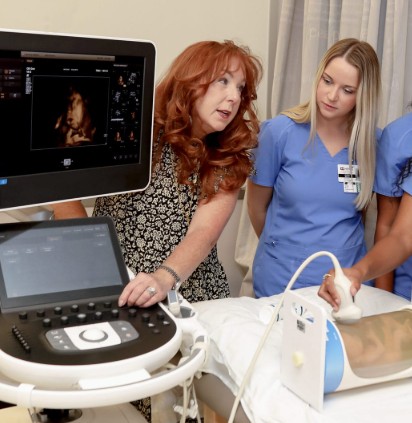
Sonography is a specialized field that focuses on using sound wave technology to create images that support understanding of the human body. Often associated with ultrasound imaging, this field plays an important role in observing internal structures and assisting professionals in making informed decisions. As technology continues to advance and the need for skilled imaging professionals grows, sonography has become an appealing career path for those who are interested in combining science, technology, and patient-centered work. Pursuing an online sonography degree can provide a flexible and practical way to enter this dynamic field.
Online sonography degree programs are designed to give students a strong foundation in both the technical and human aspects of imaging. These programs often include coursework in anatomy, physiology, medical terminology, imaging techniques, and patient communication. Students learn how sound waves are used to produce images, how to operate imaging equipment, and how to ensure comfort and safety during procedures. This combination of knowledge helps learners build the skills needed to perform imaging tasks with care and precision.
One of the most appealing aspects of earning a sonography degree online is flexibility. Many students who pursue this path are balancing work, family responsibilities, or other commitments. Online learning allows them to access lectures, review materials, and complete assignments at times that fit their schedules. This makes it easier to continue education while managing other aspects of life, offering a convenient and adaptable learning experience.
Accessibility is another important advantage of online programs. Students can enroll in institutions that may not be located nearby, expanding their options and allowing them to find programs that align with their interests and career goals. Because sonography is a hands-on field, many programs use a blended format that combines online coursework with in-person clinical training. This approach allows students to gain both theoretical knowledge and practical experience.
When exploring the best online sonography degrees, prospective students will typically find programs at the associate and bachelor’s levels. An associate degree is often the most common entry point into the field. It provides a comprehensive introduction to sonography, including imaging techniques, patient interaction, and safety practices. This level of study helps students develop the essential skills needed to begin working in supportive imaging roles.
A bachelor’s degree in sonography offers a more advanced level of education. Students may explore specialized areas such as abdominal, vascular, or cardiac imaging, along with leadership and advanced technical skills. This level of study can open the door to additional career opportunities and professional growth. For individuals who are interested in expanding their expertise, a bachelor’s degree can be a valuable option.
Accreditation is an important factor to consider when selecting a sonography program. Accredited programs meet recognized standards for quality and are often required for pursuing professional opportunities in this field. Choosing an accredited program helps ensure that the education received is credible and aligned with industry expectations.
Another key feature of strong sonography programs is their emphasis on practical experience. Imaging requires precision, attention to detail, and hands-on skill. Many programs include clinical training components where students practice techniques in real-world environments. These experiences allow students to apply what they have learned, build confidence, and develop the skills needed to perform imaging procedures effectively.
Technology plays a central role in sonography education. Students learn how to operate ultrasound equipment, interpret images, and understand the principles behind sound wave imaging. They also gain familiarity with digital systems used for recording and managing images. Staying up to date with technology is important, as advancements continue to shape how imaging is performed and used.
Cost is another consideration for prospective students. Online programs can sometimes be more affordable than traditional on-campus options, especially when factoring in savings on transportation and housing. Many institutions offer financial aid, scholarships, or flexible payment plans to help make education more accessible. Comparing tuition and available resources can help students choose a program that fits their financial situation.
Graduates of sonography programs have access to a variety of career opportunities. They may work in imaging centers, healthcare support environments, or community-based facilities. Their role often involves preparing individuals for imaging procedures, operating equipment, and ensuring that images are captured accurately. With experience, individuals may explore specialized areas or take on additional responsibilities within their field.
In addition to career opportunities, studying sonography offers meaningful personal benefits. It encourages strong attention to detail, effective communication, and a commitment to providing supportive care. Students learn how to interact with individuals in a professional and reassuring manner while using advanced technology. For many individuals, the opportunity to combine technical expertise with meaningful service is a strong motivation for pursuing this field.
When choosing an online sonography degree, it is helpful to consider factors such as curriculum, faculty expertise, and student support services. Programs that offer clear instruction, experienced educators, and access to clinical training opportunities can enhance the overall educational experience. Building connections with professionals in the field can also provide valuable insights and opportunities for growth.
It is also important for students to reflect on their own goals and learning preferences. Some may prefer structured programs with scheduled sessions, while others may benefit from more flexible formats that allow for independent study. Understanding personal needs can help ensure a positive and successful educational journey. Taking time to research programs and ask questions can make a meaningful difference in selecting the right option.
As imaging technology continues to advance and play a vital role in understanding the human body, the importance of sonography becomes increasingly clear. Organizations and communities benefit from individuals who can operate equipment accurately, communicate effectively, and contribute to high-quality imaging processes. Online sonography degrees provide a practical and accessible way to gain these skills while maintaining flexibility.
In conclusion, the best online sonography degrees offer a balance of flexibility, accessibility, and hands-on training. Whether pursuing an associate or bachelor’s degree, students have the opportunity to develop valuable skills that support technical proficiency, communication, and attention to detail. By choosing an accredited program and staying focused on their goals, they can take meaningful steps toward a future that involves working with advanced imaging technology, supporting accurate observations, and contributing to positive outcomes in professional settings.