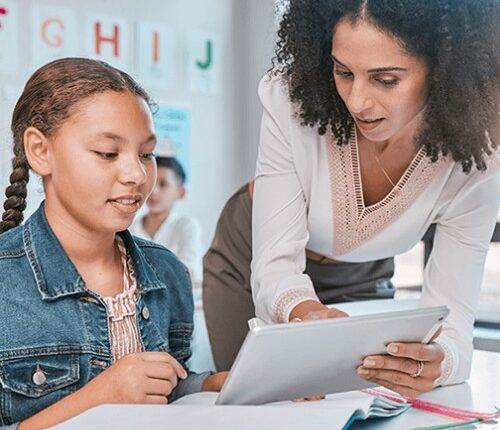
Technology is changing many parts of everyday life, and education is no exception. Classrooms that once depended mainly on textbooks, notebooks, chalkboards, and printed materials can now include computers, tablets, interactive displays, educational software, online resources, and digital communication tools.
These technologies are creating new ways for teachers to explain ideas and for students to explore information. A science lesson can include a digital demonstration, a history class can explore online archives, and a language learner can practice through interactive exercises.
Technology does not replace the importance of teachers or traditional learning methods. Instead, it provides additional tools that can make lessons more flexible, interactive, and connected to the wider world.
Creating Access to More Information
One of the most noticeable changes technology brings to education is access to information. Students are no longer limited to the resources physically available in a classroom or library.
Digital educational resources can provide access to articles, reference materials, videos, diagrams, presentations, and other forms of content. This can make it easier for students to explore a topic in greater depth.
Teachers can also introduce students to reliable educational sources that complement classroom lessons. Having access to more information can encourage curiosity and independent research.
Making Lessons More Interactive
Traditional lessons often depend on reading, writing, and listening. Technology can add interactive elements that allow students to participate more actively.
Educational applications and online exercises may allow learners to answer questions, complete activities, receive immediate feedback, or explore simulated environments.
Interactive lessons can make abstract concepts easier to understand by giving students something they can observe or engage with directly.
The best use of technology is not simply adding more screens. It is using digital tools when they genuinely support understanding.
Supporting Visual Learning
Some concepts can be difficult to explain using words alone. Technology allows teachers to use diagrams, animations, videos, maps, and other visual materials.
For example, an animation can demonstrate how a scientific process works step by step. A digital map can help students understand geography, while a timeline can make historical events easier to organize.
Visual resources can provide another way to approach difficult information and may help students connect ideas more easily.
Personalizing the Learning Experience
Students have different learning needs, interests, and levels of experience. Technology can provide opportunities for more personalized learning in some educational environments.
Digital platforms may allow students to review material at their own pace, repeat lessons, or complete additional practice when needed.
A student who understands a topic quickly can continue exploring, while another learner may spend more time reviewing basic concepts.
This flexibility can support a learning experience that is better suited to individual progress.
Supporting Remote and Hybrid Learning
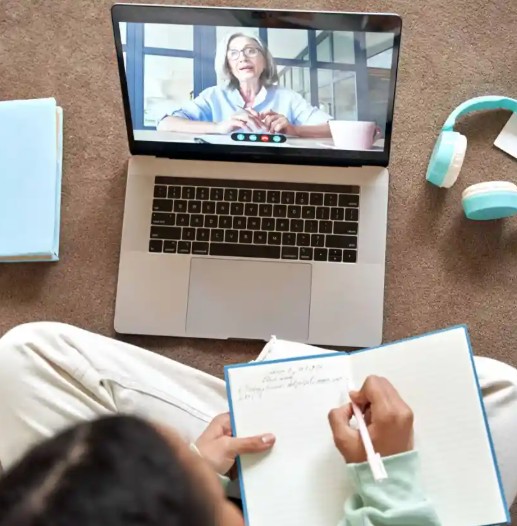
Technology has made remote and hybrid education possible in many settings. Students can join virtual classes, access digital assignments, communicate with teachers, and submit work online.
These systems can provide greater flexibility for learners who cannot always attend a traditional classroom.
Online learning also requires students to develop organizational skills. They may need to manage digital files, remember deadlines, participate in virtual discussions, and create their own study schedules.
Improving Communication Between Teachers and Students
Digital tools can make communication more convenient. Teachers can use learning platforms, email, messaging systems, or video meetings to share announcements, provide resources, and answer questions.
Students may also have more opportunities to communicate outside regular classroom hours when appropriate.
Clear digital communication can help students stay informed about assignments and learning expectations.
Encouraging Collaboration
Technology can support collaborative learning by allowing students to work together on shared documents, presentations, research projects, and other activities.
Several students can contribute to the same digital project while communicating through online tools.
This can help develop teamwork and communication skills that are valuable beyond education. Students can learn how to divide responsibilities, exchange ideas, review each other’s work, and complete shared goals.
Making Research More Convenient
Research is an important part of education, and digital tools can make the process more convenient. Students can search online libraries, academic resources, educational databases, and other trusted sources.
Technology can also help students organize information. Digital note-taking applications, reference tools, and document systems can make it easier to save and review useful material.
However, convenience should be combined with careful source evaluation. Students need to understand that not every online page provides accurate or reliable information.
Teaching Digital Literacy
As technology becomes part of education, students also have opportunities to develop digital literacy. This includes learning how to use software, manage digital information, communicate online, and evaluate digital content.
Digital literacy is becoming useful across many aspects of modern life. Students may eventually use technology in higher education, professional environments, and everyday tasks.
Learning these abilities in school can provide a practical foundation for future development.
Helping Teachers Organize Their Work
Technology can benefit teachers as well as students. Digital platforms can help educators prepare lessons, organize materials, communicate with classes, collect assignments, and track progress.
These tools can reduce some routine administrative tasks and make classroom resources easier to manage.
Technology can also give teachers additional options for presenting information. An educator might combine a lecture with a video, interactive exercise, digital presentation, or online activity.
Providing Faster Feedback
Some educational software can provide immediate feedback on certain types of assignments and practice activities. Students may see which answers were correct and identify topics that require additional review.
Immediate feedback can make practice more useful because learners do not always have to wait until a later class to understand whether they are progressing.
Teachers remain important for providing more detailed and personalized feedback, particularly when assignments involve writing, creativity, reasoning, or complex projects.
Making Difficult Subjects More Understandable
Technology can provide alternative ways to explain challenging material. Interactive models, simulations, recorded demonstrations, and step-by-step tutorials can give students another opportunity to understand a concept.
A student who does not fully understand a classroom explanation may benefit from seeing the same concept presented in another format.
Different explanations can be especially useful because learners have different preferences and levels of prior knowledge.
Connecting Classrooms With the Wider World
Technology can bring outside experiences into the classroom. Students can explore virtual museums, watch educational presentations, access international resources, and learn about communities far beyond their immediate surroundings.
These experiences can broaden students’ understanding of geography, culture, history, science, and many other subjects.
Technology can make the classroom feel less isolated from the wider world and encourage students to explore topics beyond the standard lesson.
Supporting Creative Projects
Digital tools can give students new ways to express ideas. They can create presentations, digital artwork, videos, websites, audio projects, and other forms of educational work.
Creative technology projects can encourage students to combine knowledge from different subjects.
For example, a history project might involve research, writing, graphic design, and presentation skills. A science project might include data organization and visual communication.
Encouraging Independent Learning
Technology provides students with opportunities to continue learning outside the classroom. Online educational resources can support additional reading, practice, and exploration.
This can encourage students to become more independent learners. Rather than relying entirely on formal lessons, they can learn how to search for information, compare sources, and investigate questions.
Independent learning is useful because education continues throughout life. People regularly need to learn new information long after they finish school.
Supporting Different Types of Learners
Technology can provide multiple formats for presenting information. A lesson might be available as written text, audio, video, diagrams, interactive exercises, or a combination of several approaches.
This variety can give learners more options for understanding a subject.
It is important to remember that no single technology works equally well for every student. Teachers can choose tools based on the learning objective rather than assuming that more technology automatically creates better results.
Encouraging Better Time Management
Digital learning platforms often include schedules, calendars, reminders, and assignment systems. These features can help students keep track of responsibilities.
Learning to manage digital deadlines can also prepare students for future academic and professional environments.
However, students still need to develop personal organization. Technology can provide reminders, but learners must decide how to use their time effectively.
Improving Access for Different Needs
Technology can sometimes make educational materials more accessible. Features such as adjustable text size, captions, recorded lessons, digital documents, and other tools can provide additional ways for students to interact with learning materials.
Accessibility needs vary from person to person, so technology should be selected thoughtfully.
When used appropriately, digital tools can give learners more flexibility in how they access information.
Teaching Responsible Technology Use
Technology in the classroom also creates an opportunity to teach responsible digital behavior. Students can learn about appropriate communication, protecting personal information, recognizing trustworthy sources, and using digital tools respectfully.
These lessons are increasingly relevant because young people interact with digital information in many parts of daily life.
Learning how to use technology responsibly is just as important as learning how to operate the tools themselves.
Maintaining Human Interaction
Although technology offers many benefits, human interaction remains an important part of education. Teachers provide guidance, encouragement, explanations, and personal feedback that technology cannot fully replace.
Classroom conversations and face-to-face collaboration also help students develop communication and social skills.
The most effective educational environments can combine technology with meaningful human interaction rather than treating digital tools as a complete replacement for teachers.
Avoiding Unnecessary Technology
More technology does not automatically mean better education. Digital tools are most useful when they solve a real learning need.
A simple notebook may sometimes be more effective than a complicated application. A face-to-face discussion may be more useful than an online message.
Teachers and schools can consider whether a particular tool improves understanding, participation, organization, or access before introducing it.
Thoughtful use of technology can prevent digital tools from becoming distractions.
Preparing Students for Modern Careers
Many professional environments use computers, software, digital communication systems, and online collaboration tools. Classroom technology can help students become familiar with these kinds of tools.
Students may gain experience creating digital documents, organizing information, presenting ideas, working collaboratively, and learning unfamiliar software.
These experiences can provide a foundation for future professional development, although specific career requirements will vary by field.
Encouraging Lifelong Learning
Technology has expanded the ways people can continue learning after school. Online courses, educational websites, digital libraries, and virtual resources can help adults develop new knowledge and skills.
Students who become comfortable learning with technology may be better prepared to continue their education independently throughout their lives.
The ability to learn new tools can be as important as knowing how to use one particular platform.
Helping Teachers Explore New Methods
Technology can also encourage educators to experiment with different teaching approaches. A teacher may discover new ways to demonstrate a concept or engage students through interactive resources.
Professional development can help teachers understand how particular technologies may support learning objectives.
The goal should remain educational quality. Technology is most valuable when it strengthens the teaching process rather than becoming the focus of the lesson itself.
Building a Balanced Classroom
The classroom of the future may include both traditional and digital methods. Books, writing, discussion, practical activities, and direct instruction can continue to play important roles alongside technology.
A balanced approach gives teachers more options and gives students different ways to learn.
The ideal combination will depend on the subject, age group, learning goals, available resources, and individual needs.
Conclusion
Technology is changing the classroom by creating new ways for students to access information, practice skills, collaborate, communicate, and explore ideas. Digital tools can make lessons more interactive, support flexible learning, provide additional resources, and help students develop digital literacy.
At the same time, technology works best when it is used with purpose. Teachers remain central to education because they provide guidance, context, encouragement, and human connection. Traditional learning methods also continue to have an important role.
The future of education is not simply about replacing classrooms with screens. It is about combining useful technology with effective teaching and thoughtful learning habits.
When digital tools are chosen carefully and used responsibly, they can expand what is possible in the classroom. Students can gain knowledge in more flexible ways, explore subjects more deeply, and develop skills that may help them continue learning as technology and the world around them evolve.