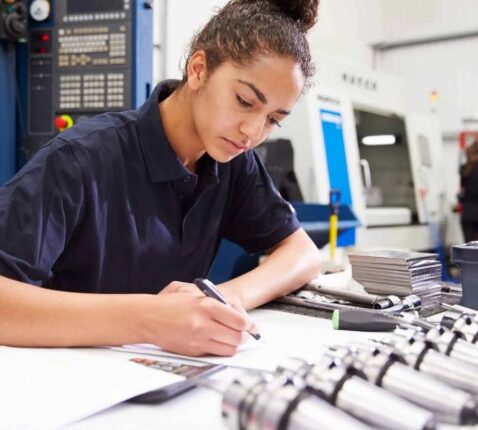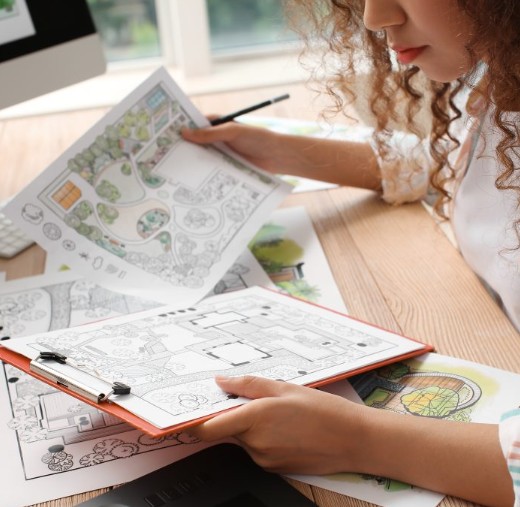
Education plays a powerful role in helping people build meaningful and successful lives. While success can have different meanings for different individuals, education provides many of the skills, habits, and experiences that can help people move toward their goals. It is not limited to earning good grades, completing examinations, or receiving qualifications. Education is also about learning how to think, communicate, solve problems, adapt to change, and continue developing throughout life.
A strong educational foundation can influence personal growth from an early age. Students learn basic knowledge and gradually develop more advanced abilities as they progress through school and other learning environments. Each lesson can contribute to a larger collection of skills that may become useful later in life.
One of the most important contributions of education is knowledge. Reading, mathematics, science, history, technology, languages, and other subjects help people understand the world around them. Basic knowledge allows individuals to interpret information, ask better questions, and make more informed choices.
Knowledge also provides a foundation for future learning. When people understand fundamental concepts, they can build on them more easily. For example, strong reading skills can support research, writing, and communication, while mathematical understanding can help with practical tasks involving numbers, planning, and analysis.
Education also teaches people how to think critically. In everyday life, individuals encounter information from many sources. Some information may be accurate, while other claims may be incomplete or misleading. Critical thinking helps people examine information carefully instead of accepting every statement immediately.
Students can develop this skill by asking questions, comparing sources, examining evidence, and considering different explanations. These habits can remain useful long after formal education ends because decision-making is a part of everyday life.
Another important way education supports personal success is through communication. People need communication skills in almost every environment. Students communicate with teachers and classmates, while adults communicate with colleagues, customers, friends, family members, and community members.
Learning how to express ideas clearly can improve relationships and cooperation. Writing clearly, speaking thoughtfully, listening carefully, and asking appropriate questions are all valuable skills. Strong communication can also help people explain their abilities and ideas when pursuing future opportunities.
Education can also help people develop confidence. Successfully understanding a difficult concept or completing a challenging assignment can provide a sense of achievement. Over time, these experiences can show students that they are capable of improving through practice and persistence.
Healthy confidence does not mean believing that every task will be easy. Instead, it means developing trust in one’s ability to learn and respond to challenges. A student who struggles with a subject but eventually improves can gain an important lesson about perseverance.
Mistakes are another valuable part of education. Every learner makes mistakes. An incorrect answer, a weak assignment, or an unsuccessful presentation can feel disappointing, but these experiences can also reveal areas for improvement.
Students can learn to examine mistakes rather than simply feeling discouraged by them. Asking what went wrong, why it happened, and what could be changed next time turns an unsuccessful attempt into a learning experience.
This process builds resilience. Personal success rarely follows a perfectly smooth path. People may encounter setbacks, changes, and unexpected challenges. Learning how to respond constructively to difficulty can prepare individuals for situations beyond the classroom.
Education also encourages discipline. Completing assignments, preparing for assessments, practicing skills, and managing deadlines require consistent effort. These habits can gradually develop a sense of responsibility.
Self-discipline becomes particularly valuable when motivation changes. There will be days when students feel enthusiastic about studying and other days when they would rather focus on something else. Developing reliable routines can help learners continue making progress even when motivation is lower.
Time management is closely connected to this process. Students often have multiple responsibilities at once. Learning how to prioritize tasks, create realistic schedules, and divide large projects into smaller steps can make responsibilities easier to manage.
These habits can continue to provide value in adulthood. Work projects, personal responsibilities, and long-term goals often require careful organization. The time management skills developed during education can therefore become useful beyond academic life.
Education can also help individuals discover their interests and strengths. Students are exposed to many different subjects, activities, and experiences. Some may discover an interest in technology, while others may enjoy writing, science, design, business, languages, or creative activities.
Exploring different areas can help people understand what motivates them. This self-awareness can support future decisions about education, work, and personal development.
It is important to remember that success does not require everyone to follow the same path. People have different interests, circumstances, abilities, and goals. Education can provide a foundation while allowing individuals to choose the direction that fits their aspirations.
Another important benefit is adaptability. The world continues to change, and new technologies and working methods can create unfamiliar situations. People who develop a habit of learning may find it easier to adjust when they encounter something new.
Adaptability is not about knowing everything in advance. It is about being willing to learn what is necessary. Someone who is comfortable researching, practicing, asking questions, and seeking guidance can become better prepared for change.
Technology has made learning more accessible. Students and adults can now explore educational resources through digital libraries, online courses, educational websites, videos, and other tools. These resources can complement traditional education and support independent study.
However, digital learning also requires responsibility. Learners need to evaluate sources, protect their personal information, manage distractions, and use technology purposefully. Developing digital literacy is therefore another important part of modern education.
Education can also support creativity. Exposure to different subjects gives learners opportunities to combine ideas in new ways. A student might connect art with technology, science with environmental topics, or writing with history.
Creativity is not limited to artistic activities. It can also involve finding new approaches to problems, designing solutions, asking unusual questions, and improving existing processes. These abilities can be valuable in many areas of life.
Collaboration is another skill that education can develop. Group projects and classroom discussions teach students how to listen to others, share responsibilities, explain ideas, and work toward common objectives.
Learning to collaborate respectfully is important because many future activities involve other people. Personal success is often connected to the ability to build positive working relationships rather than simply completing tasks independently.
Education can also encourage curiosity. A curious learner does not stop with the first answer. They may ask why something happens, how it works, or what might happen under different circumstances.
Curiosity can lead to continuous discovery. It can encourage people to read more, explore new subjects, and develop skills that they had not originally planned to pursue.
This naturally connects education with lifelong learning. Personal success is not determined by what someone learns during childhood or young adulthood alone. People can continue gaining knowledge and skills throughout their lives.
A person may learn a new language, explore a professional subject, study a hobby, improve digital skills, or develop better communication abilities. Each new learning experience can contribute to personal growth.
Education can also help people become more independent. Instead of relying on others for every answer, learners can develop the ability to research questions, identify useful resources, and solve problems on their own.
This independence can be especially valuable when circumstances are unfamiliar. Knowing how to learn can be just as important as knowing a particular fact.
Teachers and families can provide important support throughout this process. Encouragement, constructive feedback, appropriate guidance, and opportunities to explore can help students develop positive attitudes toward learning.
At the same time, students gradually become responsible for their own progress. Setting goals, practicing consistently, reflecting on mistakes, and seeking help when needed can strengthen their ability to direct their education.
Ultimately, personal success is not defined by one grade, one qualification, or one achievement. It is often the result of many habits and decisions developed over time. Education can help establish these habits while providing the knowledge needed to use them effectively.
A strong educational foundation gives people tools rather than guarantees. It cannot remove every obstacle or predict every future opportunity. What it can do is help individuals become better prepared to understand challenges, recognize possibilities, communicate with others, and continue developing.
In conclusion, education is the foundation of personal success because it develops much more than academic knowledge. It strengthens critical thinking, communication, discipline, resilience, creativity, adaptability, confidence, and independent learning. These abilities can support people in school, work, relationships, and everyday decision-making. Education also helps individuals discover their interests and understand that improvement is possible through consistent effort and thoughtful practice. Personal success will look different for everyone, but a strong education can provide useful tools for pursuing meaningful goals. The most valuable outcome of education may be the ability to keep learning long after a particular class or course has ended. When people develop curiosity, responsibility, and confidence in their ability to learn, they gain a foundation that can continue supporting them through changing circumstances. By investing in education and treating learning as a lifelong process, individuals can build the knowledge and skills needed to create opportunities, overcome challenges, and move toward a future that reflects their own goals and aspirations.