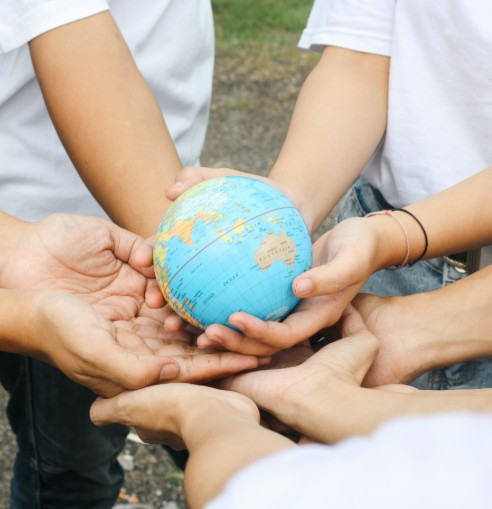
Education and social responsibility are closely connected because learning helps individuals understand how their actions affect the people and communities around them. While education is often associated with academic knowledge and career preparation, it also plays a major role in shaping values, communication, empathy, and decision-making. Social responsibility involves contributing positively to society, treating others with respect, and recognizing the importance of cooperation and understanding. Through education, individuals gain the awareness and skills needed to become thoughtful and responsible members of their communities.
At its core, education encourages awareness. Learning about history, culture, communication, and human experiences helps individuals understand the world more clearly. This understanding creates a sense of connection between people and communities. Education helps individuals recognize that their choices and behaviors can influence others in meaningful ways. As awareness grows, individuals become more likely to act with consideration and responsibility.
One of the most important ways education supports social responsibility is through the development of empathy. Exposure to different perspectives and experiences helps individuals appreciate the challenges and viewpoints of others. Empathy encourages kindness, patience, and respect in everyday interactions. Education creates opportunities for individuals to learn about people from different backgrounds and understand the importance of compassion in building strong communities.
Communication skills are another important part of social responsibility. Education helps individuals learn how to express ideas clearly and listen respectfully to others. Effective communication encourages understanding and cooperation, which are essential for healthy relationships and community development. Responsible communication also involves honesty, patience, and the willingness to consider different perspectives during conversations.
Critical thinking is another valuable outcome of education that supports social responsibility. Individuals who can analyze information carefully and evaluate situations thoughtfully are better prepared to make informed decisions. Critical thinking encourages individuals to consider the impact of their actions and approach challenges with logic and understanding. This ability helps create more thoughtful and balanced communities.
Another important aspect of education and social responsibility is collaboration. Learning environments often encourage teamwork and shared problem-solving. Working with others teaches individuals the importance of cooperation, fairness, and mutual respect. These experiences help people understand that positive outcomes are often achieved through collective effort rather than individual action alone.
Education also supports adaptability, which is important in a changing society. Communities continue to evolve through technology, communication, and cultural exchange. Individuals who are open to learning and adapting are often better prepared to contribute positively to these changes. Adaptability encourages flexibility and helps individuals approach new situations with understanding rather than fear or resistance.
Technology has expanded opportunities for education and social awareness. Digital communication and online learning platforms allow individuals to connect with people from different backgrounds and cultures. These interactions help broaden understanding and encourage respectful communication. Technology also makes information more accessible, allowing individuals to learn about important social topics and global perspectives.
Another important benefit of education is the development of responsibility in decision-making. Learning encourages individuals to think carefully about choices and consider long-term effects. Social responsibility often begins with small everyday decisions, such as treating others respectfully, communicating honestly, and contributing positively to shared environments. Education helps individuals understand the importance of thoughtful and ethical behavior.
Cultural awareness is another area where education strengthens social responsibility. Learning about different traditions, beliefs, and lifestyles helps individuals appreciate diversity and avoid stereotypes or assumptions. Cultural understanding supports inclusion and encourages respectful interaction between people from different backgrounds. Education helps create communities where diversity is valued and cooperation is encouraged.
Confidence also plays a role in social responsibility. As individuals gain knowledge and communication skills, they often feel more capable of participating in discussions and contributing ideas. Confident individuals are more likely to engage positively with others and take initiative in supporting their communities. Education encourages individuals to believe in their ability to make meaningful contributions.
Problem-solving skills developed through education are also valuable for social responsibility. Communities face challenges that require thoughtful solutions and cooperation. Education helps individuals learn how to analyze situations, explore options, and work toward positive outcomes. Responsible problem-solving involves considering the needs of others and seeking solutions that support fairness and understanding.
Resilience is another important quality connected to education and social responsibility. Challenges and setbacks are part of life, and learning how to respond positively is essential. Education encourages persistence, patience, and the ability to learn from experiences. Resilient individuals are often better prepared to support others and contribute positively during difficult times.
Lifelong learning is also an important part of social responsibility. Learning does not end after formal education. Individuals who continue learning throughout life remain curious, informed, and open-minded. Lifelong learning supports growth and helps individuals stay engaged with social issues, cultural changes, and new ideas. This ongoing awareness strengthens communities and encourages thoughtful participation in society.
Reflection is another important habit encouraged by education. Taking time to think about experiences, actions, and decisions helps individuals better understand their impact on others. Reflection encourages personal growth and supports responsible behavior. By considering how actions affect relationships and communities, individuals can continue improving the way they interact with the world.
Practical life skills learned through education also contribute to social responsibility. Skills such as communication, organization, teamwork, and emotional awareness help individuals navigate everyday interactions more effectively. These abilities support respectful relationships and create more balanced and cooperative communities.
Another important aspect of education and social responsibility is encouraging active participation in community life. Education helps individuals understand the value of contributing positively to shared environments. Whether through communication, collaboration, or simple acts of kindness, responsible participation strengthens social connections and encourages collective progress.
Balancing personal goals with social responsibility is also important. Education helps individuals recognize that personal growth and community well-being can support one another. Individuals who act responsibly often create positive environments that benefit both themselves and others.
In conclusion, education and social responsibility are deeply connected through awareness, empathy, communication, and thoughtful decision-making. Education helps individuals understand their role within society and encourages them to contribute positively to their communities. By promoting critical thinking, cultural understanding, collaboration, and lifelong learning, education supports the development of responsible individuals who value respect, cooperation, and meaningful social growth.