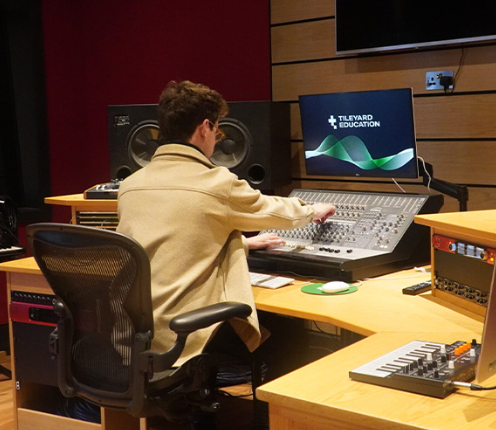
Education and personal responsibility are closely connected because learning helps individuals understand the importance of their choices, actions, and contributions to the world around them. While education is often associated with gaining knowledge and developing skills, it also plays a major role in shaping character, decision-making, and self-awareness. Personal responsibility involves taking ownership of actions, making thoughtful choices, and understanding how those choices affect both personal growth and relationships with others. Through education, individuals gain the tools needed to develop a stronger sense of responsibility in everyday life.
At its core, education encourages awareness. Learning about different topics, experiences, and perspectives helps individuals better understand themselves and the world around them. This awareness allows people to recognize the impact of their actions and make decisions more thoughtfully. Education supports personal responsibility by encouraging individuals to think carefully before acting and to consider the consequences of their choices.
One of the most important ways education supports personal responsibility is through critical thinking. Critical thinking helps individuals analyze situations, evaluate information, and make informed decisions. Instead of reacting without reflection, educated individuals are more likely to approach challenges calmly and thoughtfully. This ability to think critically supports responsible behavior in both personal and social situations.
Time management is another area where education helps develop responsibility. Learning how to organize tasks, meet deadlines, and manage responsibilities encourages discipline and focus. These habits can carry into daily life, helping individuals balance work, relationships, and personal goals more effectively. Personal responsibility often begins with understanding how to manage time and commitments in a healthy and productive way.
Communication skills also play an important role in personal responsibility. Education helps individuals express their thoughts clearly and listen respectfully to others. Good communication encourages honesty, understanding, and cooperation. Responsible communication involves thinking carefully about words and actions, especially during disagreements or challenging situations. Education supports these skills by encouraging respectful interaction and meaningful discussion.
Another important aspect of education and personal responsibility is self-awareness. As individuals learn and reflect on their experiences, they begin to understand their strengths, habits, and areas where they can improve. This awareness helps individuals make better choices and take responsibility for personal growth. Education encourages reflection, which allows people to learn from experiences and continue improving over time.
Problem-solving skills developed through education also contribute to personal responsibility. Challenges are a natural part of life, and responsible individuals learn how to face them rather than avoid them. Education helps individuals approach problems with patience and logic, encouraging them to explore solutions and take constructive action. This mindset supports independence and resilience.
Adaptability is another valuable quality connected to education and responsibility. Life often involves unexpected changes, and responsible individuals understand the importance of adjusting to new situations. Education helps individuals remain open to learning and willing to adapt when necessary. This flexibility allows people to handle challenges more effectively and continue growing through different experiences.
Technology has expanded the ways education can support personal responsibility. Online learning platforms, digital resources, and communication tools provide opportunities for independent learning and self-management. Individuals often need to take initiative, stay organized, and use information responsibly when learning through technology. These experiences encourage accountability and thoughtful decision-making.
Education also contributes to emotional awareness, which is an important part of responsible behavior. Understanding emotions and learning how to manage them can improve relationships and decision-making. Education encourages empathy, patience, and respect, helping individuals respond calmly and thoughtfully in different situations. Emotional responsibility supports healthier communication and stronger social connections.
Another important connection between education and personal responsibility is goal setting. Learning helps individuals identify what they want to achieve and create plans to reach those goals. Responsible individuals understand that progress often requires effort, consistency, and patience. Education supports this process by encouraging discipline and long-term thinking.
Confidence is also strengthened through education and plays a role in personal responsibility. When individuals gain knowledge and develop skills, they often feel more capable of making decisions and handling challenges. This confidence encourages independence and motivates individuals to take ownership of their actions. Education helps individuals trust their abilities while also understanding the importance of continued learning and improvement.
Collaboration is another area where education encourages responsibility. Working with others teaches individuals how to contribute fairly, communicate respectfully, and support shared goals. Responsible teamwork involves understanding that actions affect others and that cooperation is important for success. Education creates opportunities for collaboration that strengthen accountability and mutual respect.
Cultural awareness also supports personal responsibility. Learning about different perspectives, traditions, and experiences helps individuals appreciate diversity and interact respectfully with others. Education encourages understanding and empathy, helping individuals recognize the importance of treating people with kindness and fairness. Responsible behavior often includes being considerate and respectful toward different viewpoints.
Lifelong learning is another important aspect of education and responsibility. Personal responsibility does not end after formal education. Individuals who continue learning throughout life remain curious, adaptable, and open to growth. Lifelong learning encourages individuals to stay informed and continue improving themselves, which supports both personal and social development.
Reflection is an important habit encouraged by education that strengthens responsibility. Taking time to think about decisions, experiences, and outcomes helps individuals understand what they have learned and how they can improve. Reflection encourages honesty and accountability, helping individuals make more thoughtful choices in the future.
Practical life skills learned through education also contribute to responsible living. Skills such as financial awareness, organization, communication, and problem-solving help individuals manage everyday responsibilities effectively. These practical abilities create structure and support a more balanced and productive lifestyle.
Balancing responsibility with personal well-being is also important. Education encourages individuals to make thoughtful choices not only for productivity but also for maintaining healthy routines and relationships. Responsible living includes understanding the importance of rest, communication, and emotional balance.
In conclusion, education and personal responsibility are deeply connected through awareness, critical thinking, communication, and self-development. Education helps individuals understand the impact of their choices and provides the skills needed to act thoughtfully and responsibly. By encouraging reflection, adaptability, and lifelong learning, education supports the development of individuals who can contribute positively to their communities and lead balanced, meaningful lives.