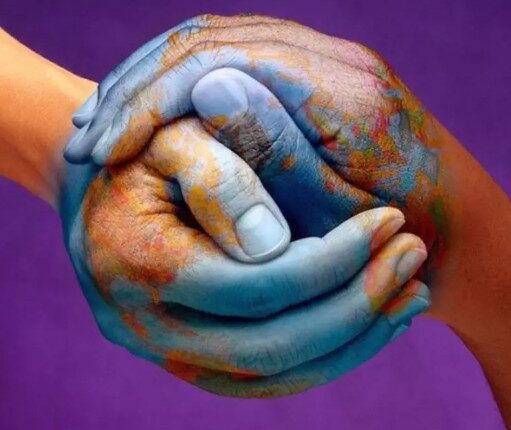
Education is one of the most valuable parts of human development. It helps people understand the world, develop practical skills, discover new interests, and make informed decisions. Although many people associate education with schools, colleges, and universities, learning does not have to end when formal studies are complete. Every stage of life provides opportunities to gain knowledge, improve abilities, and explore unfamiliar ideas. This is why education is best understood as a lifelong journey rather than a destination.
Lifelong learning means remaining open to new knowledge and experiences throughout life. It can happen through reading books, taking courses, learning from colleagues, practicing hobbies, traveling, or solving everyday problems. These experiences can help people grow personally and professionally while encouraging them to stay curious about the world around them.
In a changing world, the willingness to learn can be particularly valuable. New technologies, evolving workplace expectations, and changing personal responsibilities often require people to develop additional skills. By making education a regular part of life, individuals can become more adaptable, confident, and prepared for future opportunities.
Understanding the Meaning of Lifelong Learning
Lifelong learning is the continuous process of gaining knowledge and developing abilities throughout different stages of life. It includes formal education, such as attending school or completing a professional qualification, as well as informal learning that takes place during ordinary activities.
For example, a young adult might study a subject to prepare for a career, while an experienced worker may learn new software to improve workplace performance. A parent might discover new ways to support a child’s education, and a retired person may explore gardening, photography, or a new language.
Each experience can provide knowledge that is useful in a different way. Some learning helps people meet practical responsibilities, while other experiences encourage creativity, curiosity, or personal enjoyment.
Lifelong learning does not mean studying constantly or trying to master every subject. Instead, it involves recognizing that there is always something more to understand. People can choose learning activities that match their interests, goals, available time, and personal circumstances.
By adopting this mindset, individuals can view education as an ongoing part of life rather than something that belongs only to childhood or early adulthood.
Supporting Personal Growth and Self-Understanding
Education contributes to personal growth by helping people understand their interests, strengths, and areas for improvement. Learning about unfamiliar subjects can reveal abilities that individuals may not have recognized before.
For instance, someone who begins learning photography might discover an interest in visual storytelling. A person who studies a new language may develop a stronger appreciation for other cultures. Another individual might explore cooking and discover an enjoyment of experimenting with ingredients and techniques.
These discoveries can make everyday life more interesting and help people understand what motivates them. Learning also encourages reflection because people often need to consider what they enjoy, what they find challenging, and how they would like to improve.
Personal growth does not always involve achieving a major milestone. Sometimes, it comes from understanding a subject more clearly, becoming more comfortable asking questions, or developing greater patience with unfamiliar tasks.
Education can also encourage people to reconsider assumptions and explore perspectives different from their own. This broader understanding can support thoughtful decision-making and help individuals respond to new experiences with greater openness.
By continuing to learn, people can gradually develop a stronger understanding of themselves and the world they share with others.
Improving Career Opportunities and Professional Skills
Lifelong education can support career development by helping people maintain and expand their professional abilities. Many industries change over time as technology advances, working methods develop, and customer expectations evolve. Continuing to learn can help individuals respond to these changes.
For example, an office employee might learn advanced spreadsheet techniques, while a designer may explore updated creative software. Someone working in customer service might strengthen communication skills, and a person interested in management could study project planning or leadership.
These abilities can complement existing experience and help employees become more effective in their responsibilities. Learning can also prepare individuals to explore different roles or consider a career change when their interests and circumstances evolve.
Professional development does not always require an expensive course or a new qualification. Reading relevant materials, learning from experienced colleagues, attending suitable workshops, and practicing new techniques can all contribute to improvement.
However, career advancement depends on several factors, including experience, qualifications, available opportunities, and workplace needs. Education cannot guarantee a particular outcome, but it can provide useful knowledge and help people prepare for possible opportunities.
By treating professional learning as an ongoing process, individuals can take a more active role in their career development and remain better prepared for changing responsibilities.
Developing Critical Thinking and Problem-Solving Skills
Education helps people learn how to examine information, ask questions, and evaluate different explanations. These abilities are valuable because everyday life often requires decisions based on incomplete information or changing circumstances.
Critical thinking encourages people to look beyond the first answer they encounter. Instead of accepting every statement immediately, they can consider the source, review supporting evidence, and compare different perspectives.
For example, someone researching a household purchase might compare product specifications, read reliable reviews, and consider long-term costs before making a decision. A person facing a challenge at work might gather information, identify possible causes, and evaluate different solutions before taking action.
Learning new subjects can strengthen these abilities by introducing people to different ways of approaching problems. Science may encourage careful observation, mathematics can support logical reasoning, and history can demonstrate how decisions and events influence one another.
Education also helps people recognize the limits of their knowledge. Understanding when to ask for guidance or seek additional information is an important part of making responsible decisions.
As individuals continue learning, they gain more opportunities to practice critical thinking and apply it to practical situations throughout their lives.
Encouraging Adaptability in a Changing World
Change is a natural part of life. People may experience new responsibilities, technological developments, different social expectations, or changes in their personal interests. Lifelong learning can help them respond to these situations with greater flexibility.
For example, someone who learns to use new digital tools may become more comfortable exploring unfamiliar applications. A person who studies communication may discover better ways to work with people who have different perspectives. Someone learning practical household skills may become more confident handling new responsibilities.
Adaptability involves understanding what a situation requires and being willing to adjust when necessary. It does not mean changing direction whenever something new appears. Instead, it encourages people to evaluate changes carefully and identify which knowledge or abilities may help them respond effectively.
Continuous learning also helps people recognize that existing knowledge can be expanded. A method that worked well in the past may need to be updated as circumstances change, while a new experience may reveal a more suitable approach.
By maintaining an open and curious attitude, individuals can become more prepared to navigate unfamiliar situations. This flexibility can be valuable in education, professional life, and personal relationships.
Building Confidence Through New Experiences
Learning something new can strengthen confidence by showing people what they are capable of achieving through practice. A task that initially seems difficult may become more manageable as knowledge and experience increase.
For example, someone who begins studying a foreign language may struggle with pronunciation or vocabulary. With regular practice, the person may gradually become more comfortable understanding basic conversations. A beginner learning to cook may move from following simple recipes to preparing meals with greater independence.
These experiences demonstrate that progress often develops over time. People do not need to understand everything immediately or compare their progress with someone else’s. Concentrating on personal improvement can make learning more rewarding and sustainable.
Education can also help people become more comfortable asking questions, accepting constructive feedback, and acknowledging mistakes. These actions are important because improvement often requires recognizing what is not yet understood.
Confidence does not mean avoiding challenges or assuming that every attempt will succeed. It means being willing to learn, practice, and adjust when difficulties arise.
By taking on manageable learning goals, people can develop greater trust in their abilities and become more willing to explore unfamiliar opportunities.
Strengthening Relationships and Understanding Others
Education can improve relationships by helping people communicate more effectively and appreciate different perspectives. Learning about cultures, communication styles, history, and human behavior can encourage greater understanding of the experiences that shape people’s opinions and choices.
Reading about different communities or speaking with people from varied backgrounds may introduce ideas that challenge familiar assumptions. These experiences can encourage individuals to listen more carefully and ask questions before drawing conclusions.
Learning also supports communication in practical ways. Developing writing skills can make messages clearer, while studying communication techniques can help people express concerns respectfully and explain ideas more effectively.
Within families, friendships, and workplaces, these abilities can reduce misunderstandings and encourage more constructive conversations. People may become better at recognizing differences, discussing disagreements, and finding common ground.
Education does not guarantee that every relationship will be easy, but it provides tools for understanding others and responding thoughtfully. By remaining willing to learn from the people around them, individuals can continue developing stronger relationships throughout life.
Making Learning Part of Everyday Life
Lifelong learning becomes more manageable when it is connected to ordinary routines and personal interests. People do not need to dedicate every free moment to studying or enroll in a formal program to continue developing their knowledge.
Reading a few pages of a book, exploring a new subject online, practicing a hobby, or asking questions about an unfamiliar topic can all provide useful learning experiences. Conversations with experienced colleagues, visits to libraries, community workshops, and educational activities may offer additional opportunities.
Setting realistic goals can help maintain consistency. Someone interested in photography could practice one technique each week, while a person learning a language might spend a short period reviewing vocabulary each day.
It is also useful to reflect on what has been learned. Considering which ideas were helpful, which skills improved, and what remains unclear can guide future learning efforts.
Rest and enjoyment are important too. Education should fit into a balanced life rather than become a source of constant pressure. Choosing activities that feel relevant and interesting can make learning easier to maintain over time.
Conclusion
Education is a lifelong journey because knowledge, interests, and responsibilities continue to develop throughout life. By remaining curious and willing to learn, people can support personal growth, strengthen professional skills, improve critical thinking, and become more adaptable to change.
Lifelong learning does not require formal study at every stage or the pursuit of constant achievement. It can grow through everyday experiences, meaningful conversations, practical activities, and small efforts to understand something new.
The most valuable step is to remain open to learning and recognize that progress can happen gradually. Each new skill or useful discovery can provide another way to understand the world and respond to life’s challenges.
By making education part of everyday life, individuals can continue exploring their interests, building confidence, and preparing for future opportunities. Learning may begin in a classroom, but its possibilities extend far beyond it. Throughout life, curiosity and the willingness to improve can help people develop knowledge, discover new directions, and find greater meaning in their experiences.