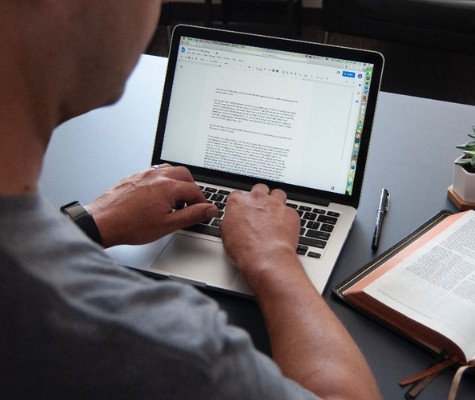
Communication is an essential part of almost every workplace. Whether employees are sharing ideas, discussing projects, helping customers, or coordinating tasks with colleagues, the ability to communicate clearly can make daily responsibilities easier to manage. Strong communication skills help people understand expectations, build professional relationships, and work together toward common goals. They are valuable in offices, schools, businesses, remote teams, and many other professional environments.
Workplace communication involves more than speaking well. It includes listening carefully, writing understandable messages, asking useful questions, explaining information, and responding respectfully to different points of view. When these skills are developed consistently, employees can reduce misunderstandings and contribute more effectively to their teams.
Good communication does not require using complicated language or having a naturally outgoing personality. It begins with expressing ideas clearly, paying attention to others, and choosing appropriate ways to share information. By understanding why communication skills matter in the workplace, employees can identify practical ways to improve their professional abilities and support a more productive working environment.
Improving Teamwork and Cooperation
Teamwork is an important part of many jobs, and effective communication helps people coordinate their efforts. Employees often need to share responsibilities, exchange information, discuss progress, and make decisions together. When everyone understands their role and knows what others are working on, completing shared tasks can become easier.
For example, a team preparing a presentation may need to divide research, design, writing, and speaking responsibilities among several members. Clear communication helps each person understand their assignments and deadlines. It also allows team members to identify problems early and discuss how to resolve them.
Poor communication can create confusion when instructions are incomplete or when important updates are not shared. Team members may repeat the same work, overlook details, or make assumptions that lead to unnecessary delays. Simple habits, such as confirming responsibilities and sharing timely updates, can help prevent these difficulties.
Effective teamwork also requires respect for different working styles and perspectives. Employees may have different ideas about how to approach a task, but listening and discussing options can help them find a practical solution. Good communication encourages cooperation and helps people contribute their strengths toward a common objective.
Reducing Misunderstandings and Errors
Clear communication can help reduce mistakes by ensuring that information is shared accurately. In many workplaces, small misunderstandings can lead to delays, incorrect work, or additional effort. Explaining tasks clearly and confirming important details can make everyday processes more reliable.
For instance, an employee receiving instructions for a customer order may need to confirm the quantity, delivery date, and special requirements. Asking a question before proceeding can prevent confusion later. Similarly, a manager who provides clear expectations can help employees understand what needs to be completed and how success will be measured.
Written communication is also important when instructions or decisions need to be referenced later. Emails, project notes, and meeting summaries can provide a useful record of important information. Messages should be organized, accurate, and easy to understand so that readers can quickly identify the key details.
Employees should not assume that everyone has understood a message simply because it has been delivered. Encouraging questions and checking understanding can help identify missing information. This approach creates opportunities to correct mistakes early and supports more consistent results across the workplace.
Building Strong Professional Relationships
Positive professional relationships contribute to a more comfortable and cooperative working environment. Communication plays an important role in developing trust, showing respect, and helping colleagues understand one another.
Simple behaviors can make a difference. Greeting coworkers politely, acknowledging their contributions, responding to messages appropriately, and keeping commitments demonstrate consideration for others. When employees communicate respectfully, people may feel more comfortable sharing information, asking for help, and working together.
Professional relationships also benefit from honesty and consistency. If a task is delayed or a problem occurs, informing the relevant people promptly helps them understand the situation and adjust their plans. Avoiding difficult conversations may allow confusion to continue, while a respectful explanation can help everyone focus on possible solutions.
Building good relationships does not mean agreeing with every opinion. Colleagues can disagree while maintaining professionalism. The important part is to discuss differences calmly, consider the available information, and treat other people with courtesy.
Over time, these habits can contribute to a workplace where cooperation feels more natural and employees are better able to work together toward shared goals.
Developing Active Listening Skills
Listening is one of the most important parts of effective communication, yet it is sometimes overlooked. People may focus on preparing their response rather than fully understanding what another person is saying. Active listening encourages employees to give their attention to the speaker and consider the meaning behind the message.
In practical terms, active listening involves avoiding unnecessary interruptions, asking relevant questions, and summarizing important points when clarification is needed. For example, during a project discussion, an employee might repeat the agreed deadline and main responsibilities to confirm that everyone has the same understanding.
Good listening can also help employees learn from colleagues who have different experiences or areas of expertise. A new team member may discover a more efficient way to complete a task by paying attention to a coworker’s explanation. A manager may gain useful insight by listening carefully to feedback from employees who handle daily operations.
Active listening does not mean accepting every statement without question. It means understanding the message before evaluating it. By giving people time to explain their ideas, employees can make more informed decisions and respond in a more thoughtful manner.
Strengthening Leadership and Management
Communication is particularly important for people responsible for guiding teams or coordinating work. Managers need to explain goals, share expectations, provide feedback, and help employees understand how their responsibilities contribute to larger objectives.
Clear leadership communication gives employees a better sense of direction. When instructions are specific and priorities are explained, team members can organize their work more effectively. Regular updates can also help employees understand changes and identify where additional support may be needed.
Constructive feedback is another important part of workplace communication. Rather than simply pointing out what went wrong, a useful conversation explains the issue, identifies possible improvements, and gives the employee an opportunity to respond. This makes feedback more practical and encourages continued development.
Good managers also recognize that communication should work in both directions. Employees may have questions, concerns, or suggestions that can improve workplace processes. Creating opportunities for open discussion helps managers understand these perspectives and make better-informed decisions.
Leadership communication is not about speaking the most or controlling every conversation. It is about providing clarity, listening to others, and helping people work toward meaningful outcomes.
Improving Customer Service and Client Relationships
Many jobs involve communicating with customers, clients, suppliers, or members of the public. In these situations, communication skills can influence how people understand information and experience a service.
Clear explanations help customers understand available options, product features, service requirements, or next steps. Employees who listen carefully can identify what a customer actually needs instead of making assumptions. This can make conversations more efficient and help people feel that their questions have been taken seriously.
Tone also matters. Even when an employee cannot provide the exact outcome a customer requests, a polite explanation can help keep the conversation constructive. Acknowledging concerns, explaining limitations clearly, and discussing appropriate alternatives can support a more professional interaction.
Written customer communication should be just as clear. Messages should address the question directly, avoid unnecessary complexity, and provide accurate information. When a response requires additional investigation, it is better to explain that clearly than to provide an uncertain answer.
Strong communication cannot guarantee that every customer will be satisfied, but it can help employees handle questions professionally, reduce confusion, and maintain better working relationships with the people they serve.
Handling Workplace Challenges and Disagreements
Differences of opinion are a normal part of working with other people. Employees may disagree about project priorities, methods, deadlines, or the best way to solve a problem. Effective communication helps them discuss these differences without allowing the conversation to become unnecessarily personal.
A useful approach is to focus on the specific issue rather than criticize an individual. Instead of saying that a colleague never completes tasks properly, an employee can explain which deadline was missed and discuss how to coordinate future work more effectively. Specific information makes it easier to identify possible solutions.
It is also important to remain calm and give others an opportunity to explain their perspective. Sometimes, a disagreement develops because people have different information or different understandings of the same situation. Clarifying these differences may resolve the issue more easily than making assumptions.
Not every workplace conflict can be settled through one conversation. Some situations may require support from a supervisor, human resources representative, or another appropriate person. However, respectful communication provides a useful starting point for understanding concerns and exploring practical next steps.
By learning to discuss difficulties professionally, employees can support healthier working relationships and keep attention on solving problems.
Adapting Communication to Different Situations
Workplaces include people with different roles, backgrounds, experiences, and communication preferences. An effective communicator recognizes that one approach may not suit every situation.
A detailed written report may be appropriate when sharing technical findings, while a brief verbal update may be more suitable for a quick project check-in. A conversation with a customer may require plain language, while communication among specialists may involve terminology familiar to their field.
Choosing the appropriate method helps ensure that information reaches the intended audience. Employees should consider who needs the message, what they need to know, and how the information can be presented clearly.
Digital communication also requires care. Emails and online messages can sometimes be misunderstood because readers cannot always hear the sender’s tone. Organizing messages, reviewing wording before sending, and avoiding unnecessarily harsh language can reduce confusion.
Flexibility does not mean changing personal values to please everyone. It means presenting information in a way that makes it easier for different people to understand and respond appropriately.
How to Improve Workplace Communication Skills
Communication skills can be strengthened through regular practice. Employees can begin by paying closer attention during conversations, organizing their thoughts before speaking, and reviewing written messages for clarity. Asking questions when information is unclear can also prevent misunderstandings and demonstrate a willingness to learn.
Seeking feedback from a trusted colleague or supervisor may reveal areas for improvement. Someone might learn that their written messages contain too much detail or that they could provide more regular project updates. Considering this feedback thoughtfully can help turn general advice into practical changes.
Reading regularly and practicing professional writing can improve vocabulary and organization. Participating in presentations, team discussions, or training sessions can build confidence when explaining ideas to others. Employees who feel nervous speaking in groups can begin with smaller conversations and gradually practice more challenging situations.
Improvement takes time, and communication styles differ from one person to another. The goal is not to communicate perfectly in every situation. It is to become clearer, more attentive, and more effective through experience.
Conclusion
Communication skills matter in the workplace because they support teamwork, reduce misunderstandings, strengthen professional relationships, and improve the way people share information. They are also valuable for leadership, customer service, problem-solving, and handling disagreements respectfully.
Effective communication involves more than speaking confidently. It requires listening carefully, writing clearly, asking questions, and adapting messages to different situations. These abilities help employees understand one another and work more effectively toward shared goals.
Anyone can improve communication skills through consistent practice and a willingness to learn from experience. Small changes, such as confirming instructions, listening without interruption, or organizing a message more clearly, can make everyday interactions more productive.
By developing strong communication habits, employees can contribute to a more cooperative workplace and prepare themselves for new professional responsibilities. Clear, respectful communication remains a valuable skill across industries and throughout a person’s working life.