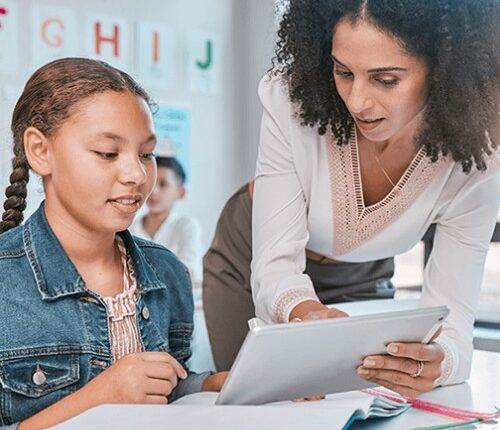
Communication is an important part of every learning experience. Students use communication skills when they ask questions, participate in discussions, write assignments, give presentations, work with classmates, and communicate with teachers. These skills help learners share ideas while also making it easier to understand information and build positive relationships.
Education is not only about gaining knowledge from books and lessons. It is also about learning how to express thoughts, listen carefully, understand different perspectives, and work effectively with others. Strong communication skills can support academic development while preparing students for future responsibilities in professional and everyday life.
The ability to communicate clearly develops gradually through practice. Schools and other learning environments can provide many opportunities for students to strengthen these skills in a supportive and respectful setting.
Understanding Communication in Education
Communication includes much more than speaking. It involves listening, reading, writing, presenting ideas, asking questions, and understanding how information is exchanged.
Students use these skills throughout their education. They may listen to an explanation in class, read instructions, write an assignment, discuss a topic with classmates, or present a project.
Each experience can help students become more comfortable communicating in different situations. Developing a range of communication skills can make learning more active and effective.
Helping Students Understand Lessons
Clear communication can make it easier for students to understand what they are expected to learn. Teachers explain concepts, instructions, examples, and assignments through communication.
Students also need to communicate when something is unclear. Asking a question can help identify a misunderstanding before it becomes more difficult to correct.
A classroom where students feel comfortable seeking clarification can encourage deeper learning. Communication therefore works in both directions, with teachers explaining and students responding, asking, and discussing.
Encouraging Students to Ask Questions
Questions are an important part of education because they show curiosity and help learners identify gaps in their understanding.
A student may want to know why a scientific process happens, how a mathematical method works, or what a particular historical event means.
Learning how to ask clear questions can make these conversations more productive. Students can become more specific about what they understand and which part of a topic needs further explanation.
Asking questions also encourages active participation rather than passive learning.
Improving Listening Skills
Good communication begins with listening. Students need to pay attention to explanations, discussions, instructions, and feedback.
Active listening involves focusing on the speaker, considering the information carefully, and asking for clarification when necessary.
Strong listening skills can reduce misunderstandings and make it easier to follow lessons. They can also help students understand classmates who may approach a subject differently.
Listening is a valuable educational skill because learning often begins with paying attention to information before responding to it.
Strengthening Writing Skills
Writing is a major part of education. Students may write essays, reports, summaries, research assignments, messages, and project materials.
Strong writing helps students organize ideas and communicate them clearly. It also requires careful consideration of vocabulary, structure, grammar, and supporting details.
Writing can improve through regular practice. Students can learn by reviewing feedback, reading well-written examples, and revising their own work.
These skills can remain useful in higher education and professional environments.
Supporting Classroom Discussions
Classroom discussions give students opportunities to practice expressing ideas in real time. They can explain their reasoning, respond to questions, and listen to different perspectives.
Participation in discussions can strengthen confidence while teaching students how to communicate respectfully.
Students do not need to speak the most to contribute effectively. A thoughtful comment or useful question can add value to a discussion.
Learning how to participate appropriately can help students become more comfortable sharing their ideas.
Building Confidence
Communication practice can gradually increase confidence. Students who regularly speak in class, present projects, or participate in discussions may become more comfortable expressing themselves.
Confidence often develops through preparation and experience. It does not require students to speak perfectly.
Making mistakes is a normal part of learning. A supportive environment can encourage students to keep practicing and improve over time.
Improving Group Projects
Many educational activities involve teamwork. Students may work together on presentations, research assignments, experiments, or creative projects.
Communication helps group members divide responsibilities, share ideas, discuss deadlines, and solve problems.
Good communication can reduce confusion and make collaboration more organized. It also teaches students how to listen to suggestions and explain their own ideas respectfully.
These habits can prepare students for professional environments where teamwork is often important.
Supporting Different Learning Perspectives
Students come from different backgrounds and may have different experiences, interests, and ways of thinking. Communication provides opportunities to learn from these differences.
A classroom discussion can introduce students to ideas they had not considered before.
Understanding another person’s perspective does not require agreement. It involves listening carefully and trying to understand how someone reached a particular viewpoint.
This can encourage open-mindedness and thoughtful discussion.
Encouraging Critical Thinking
Communication and critical thinking are closely connected. Students need to explain why they believe something, identify supporting evidence, and respond to questions.
When learners practice communicating their reasoning, they may become more aware of how they developed a conclusion.
This can strengthen analytical thinking and encourage students to examine information more carefully.
Critical thinking can then improve communication because well-organized ideas are easier to explain.
Making Feedback More Useful
Feedback is an important part of education, and communication skills help students both give and receive it.
A teacher may explain how an assignment could be improved, while a classmate may offer suggestions during a group project.
Students who listen carefully to feedback can identify areas for improvement. They can also learn to ask questions when they do not understand a comment.
Constructive feedback can become a learning opportunity when it is communicated respectfully.
Helping Students Communicate With Teachers
Positive communication between students and teachers can support learning. Students may need to ask about assignments, discuss academic goals, or explain when they are having difficulty understanding a topic.
Clear communication helps teachers understand what students need.
Students can develop this skill by preparing questions in advance, listening carefully to answers, and communicating respectfully.
These habits can make educational interactions more productive.
Supporting Digital Communication
Modern education often includes digital communication. Students may use email, online learning platforms, discussion forums, shared documents, and virtual classrooms.
Digital communication requires attention to tone, clarity, organization, and professionalism.
Students can learn to write clear messages, respond appropriately, and consider the audience before sending information.
These skills are increasingly relevant as digital communication becomes common in professional environments.
Improving Presentations
Presentations provide students with opportunities to develop speaking and organization skills. A successful presentation requires more than knowing the subject.
Students need to organize information logically, explain important ideas clearly, and communicate with their audience.
Practicing presentations can help students become more comfortable speaking in front of others.
Over time, presentation experience can support confidence and improve the ability to communicate complex information.
Supporting Reading Comprehension
Communication is also connected to reading. Students need to understand written instructions, explanations, arguments, and other forms of information.
Strong reading comprehension can make written communication easier to follow.
Students can improve by identifying main ideas, noticing supporting details, asking questions, and summarizing what they have read.
These reading skills can also support better writing because readers become familiar with effective ways of organizing information.
Encouraging Respectful Communication
Education is an opportunity to learn not only academic subjects but also appropriate communication habits.
Students can practice listening without interrupting, disagreeing respectfully, and considering how their words may affect others.
Respectful communication helps create a positive learning environment.
It also teaches students how to handle differences without turning every disagreement into conflict. These habits can remain useful in workplaces and communities.
Developing Vocabulary
A strong vocabulary can make communication more precise. Students encounter new words through reading, lessons, conversations, and research.
Understanding vocabulary in context can help students use words more naturally in both writing and speaking.
Teachers can support vocabulary development by introducing clear explanations and encouraging students to ask about unfamiliar terms.
Students can also strengthen vocabulary through regular reading and writing practice.
Helping Students Explain Complex Ideas
One of the most valuable communication skills is the ability to make complicated ideas easier to understand.
Students can practice this by explaining a concept in their own words, providing an example, or breaking a process into smaller steps.
This approach shows whether they truly understand the material.
The ability to explain information clearly can be useful in academic presentations, group projects, and future professional responsibilities.
Supporting Independent Learning
Good communication skills can help students become more independent learners. A student who can ask focused questions, search for information, and communicate with knowledgeable people has more ways to continue learning.
Independent learning requires learners to recognize what they do not know and express that need clearly.
Communication therefore supports learning both inside and outside the classroom.
Encouraging Collaboration With Others
Collaboration depends on communication. Students working on a shared project need to exchange information and coordinate their efforts.
Good communication can help group members understand their roles and keep projects moving forward.
Students also learn that cooperation often involves compromise. Listening to suggestions and explaining concerns respectfully can help groups make thoughtful decisions.
Preparing for Higher Education
Communication skills become increasingly important as students move into higher levels of education. College and university students may need to write longer assignments, participate in detailed discussions, deliver presentations, and communicate with instructors.
Developing these skills earlier can provide a stronger foundation.
Students who are comfortable communicating may find it easier to ask for clarification, participate in academic discussions, and explain their ideas in written work.
Preparing for Professional Life
Communication is valuable in many careers. Professionals may write emails, attend meetings, present information, work with teams, communicate with customers, and explain technical subjects.
Students can begin preparing for these responsibilities through everyday educational activities.
Classroom discussions, presentations, group projects, and written assignments provide opportunities to practice skills that may later be used at work.
Supporting Problem-Solving
When students encounter a difficult task, communication can help them explain the problem and seek appropriate assistance.
Clearly describing what is difficult can make it easier for teachers or classmates to provide useful support.
Communication also helps when students work together to solve problems. Different people can share observations and possible solutions.
This combination of communication and problem-solving can strengthen both academic and practical abilities.
Helping Students Share Creative Ideas
Creativity becomes more useful when ideas can be communicated clearly. Students may develop interesting concepts but need to explain them to teachers or classmates.
Writing, speaking, visual presentations, and digital projects can all provide ways to express creative thinking.
Learning how to communicate an original idea helps students turn thoughts into something others can understand and discuss.
Supporting Multilingual Learners
Students who are learning in a language that is different from the language they use at home may face additional communication challenges.
A supportive educational environment can encourage these learners to practice without unnecessary pressure.
Clear explanations, patient listening, appropriate questions, and opportunities to use language in meaningful situations can support communication development.
Building confidence through regular practice can make participation easier over time.
Encouraging Communication Through Technology
Digital tools can create additional opportunities for students to communicate. Online discussion boards, collaborative documents, virtual classrooms, and educational applications can allow learners to exchange information in different ways.
These platforms can be useful when communication is structured around clear learning objectives.
Students can learn how to communicate appropriately in both live and written digital environments.
Teaching Students to Communicate With Different Audiences
The same message may need to be presented differently depending on the audience.
A student might explain a concept one way to a teacher, another way to a younger student, and differently in a formal written assignment.
Learning to adjust vocabulary, detail, tone, and structure can make communication more effective.
This flexibility is useful in education and can later become an important workplace skill.
Developing Patience in Communication
Good communication takes patience. Students may need time to think before answering a question, understand a complicated explanation, or find the right words.
Giving people time to communicate can create a more supportive learning environment.
Patience also encourages students to listen fully rather than planning their response before the other person has finished speaking.
Learning to Communicate Through Writing and Speaking
Written and spoken communication have different strengths. Students benefit from practicing both.
Writing allows learners to organize ideas carefully and revise them. Speaking requires them to communicate in real time and respond to questions.
Developing both skills can create greater flexibility.
Students can also learn when each form is appropriate. An email may be useful for one situation, while a face-to-face conversation or presentation may be better for another.
Encouraging Reflection on Communication
Students can improve their communication by reflecting on how they interact with others.
After a presentation or group project, they can consider whether their ideas were clear, whether they listened effectively, and what they might do differently next time.
Reflection helps turn communication experiences into learning opportunities.
Building a Lifelong Communication Skill
Communication is not a skill that students stop using after graduation. It remains important throughout education, careers, family life, and community involvement.
As people gain experience, their communication skills can continue developing.
New environments create new communication challenges, and lifelong learners can use each experience to become clearer, more thoughtful, and more adaptable communicators.
Conclusion
Communication skills are an essential part of education because they help students understand lessons, ask questions, participate in discussions, write clearly, present ideas, collaborate with others, and learn independently.
These skills also support critical thinking, problem-solving, confidence, creativity, and preparation for future professional responsibilities. Communication is not simply a way to share information. It is part of the learning process itself.
Students can strengthen communication by reading regularly, practicing writing, listening carefully, asking questions, participating in discussions, and learning from feedback. Teachers and educational communities can support this development by creating environments where respectful communication is encouraged.
A strong education prepares students not only to know information but also to explain, discuss, evaluate, and share what they know. By developing communication skills throughout their education, learners can build a practical foundation that supports academic progress and continued growth throughout life.