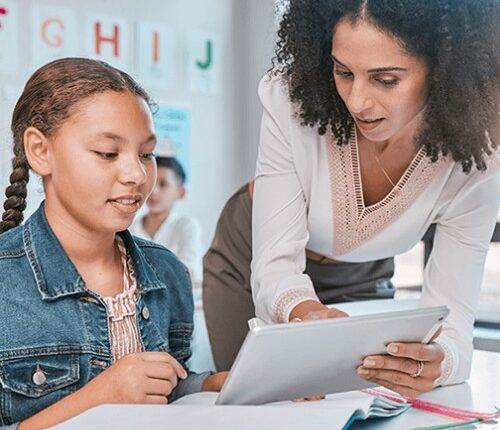
Technology has become an important part of modern education. Students use computers, tablets, smartphones, educational applications, online libraries, virtual classrooms, and other digital tools to learn, communicate, complete assignments, and explore new subjects. These resources can make education more convenient and engaging, but using technology responsibly is just as important as knowing how to use it.
Responsible technology use means making thoughtful choices about how digital tools are used for learning and communication. It involves protecting personal information, respecting other people, checking information carefully, managing screen time, and using technology to support genuine learning.
Students who develop responsible digital habits can gain more value from technology while preparing themselves for future academic, professional, and everyday situations.
Understanding Responsible Technology Use
Using technology responsibly begins with understanding that digital tools are resources rather than replacements for thinking and learning.
A student can use an educational application to practice mathematics, an online library to research a topic, or a digital platform to communicate with classmates. The technology can make these activities easier, but students still need to understand the information and participate actively.
Responsible use means choosing tools that have a clear purpose and using them in ways that support educational goals.
Protecting Personal Information
Students often use online accounts for school platforms, email, educational applications, and other services. These accounts may contain personal information, so protecting them is important.
Students can create strong, unique passwords for important accounts and avoid sharing passwords with other people. They should also think carefully before providing personal information to unfamiliar websites or applications.
Understanding privacy settings can provide additional protection. Students can review what information an application requests and consider whether those permissions are necessary.
Using Reliable Educational Sources
The internet contains a huge amount of information, but not every source is accurate. Students need to develop the habit of checking information before using it in schoolwork.
A reliable source generally provides clear information about where its content comes from and may offer evidence or references to support important claims.
Students can compare information across trustworthy educational sources rather than relying on the first result they find. This approach can improve both research skills and critical thinking.
Avoiding Plagiarism
Technology makes it easy to copy and share information, but students should understand the importance of producing original academic work.
When using ideas, quotations, images, or information created by other people, students should follow the citation requirements of their school or teacher.
Learning how to give appropriate credit helps students develop good academic habits and respect the work of others.
Using Artificial Intelligence Thoughtfully
Artificial intelligence tools can provide explanations, brainstorming support, practice questions, and other forms of assistance. However, students should use AI in ways that support learning rather than replacing their own work.
For example, an AI tool might help explain a difficult concept or suggest questions for review. Students can then study the explanation, check important information, and develop their own understanding.
Students should follow their school’s rules regarding AI use for assignments. They should also remember that AI-generated information can contain errors, so important information should be verified with reliable sources.
Managing Screen Time
Technology can be useful for learning, but students also need time away from screens. Reading printed materials, talking with others, participating in physical activities, and taking breaks can all contribute to a balanced routine.
Long periods of continuous screen use can make studying feel tiring. Students can organize study sessions into manageable periods and include breaks between tasks.
A healthy balance can help make educational technology more sustainable.
Reducing Digital Distractions
Students often have multiple applications competing for attention. Notifications, entertainment, social media, and unrelated websites can interrupt concentration during study sessions.
One useful approach is to reduce unnecessary notifications while studying. Students can also close unrelated applications and keep entertainment separate from dedicated learning periods.
Creating a focused digital environment can help students make better use of their available study time.
Communicating Respectfully Online
Digital communication is an important part of modern education. Students may use email, messaging systems, discussion boards, and shared documents to work with teachers and classmates.
The same standards of respect that apply in person should also apply online. Students can communicate politely, avoid unnecessarily harsh language, and consider how written messages may be interpreted.
Taking a moment to review a message before sending it can prevent misunderstandings.
Respecting Different Perspectives
Online discussions can bring together students with different experiences, opinions, and backgrounds. Responsible digital communication involves listening carefully and responding respectfully.
Students do not have to agree with every idea they encounter. They can ask questions, explain their own reasoning, and maintain a constructive tone.
Learning how to communicate respectfully with different perspectives is useful both in education and in future professional environments.
Thinking Before Posting
Digital content can spread quickly. Before posting a photograph, comment, video, or other material, students should think about whether the content is appropriate and whether sharing it could affect someone else.
A useful habit is to pause and consider the audience, context, and possible consequences of a post.
Developing this habit can help students build a more thoughtful digital presence.
Understanding the Digital Footprint
A digital footprint is the collection of information and content associated with a person’s online activity. This can include posts, comments, photos, accounts, and other digital interactions.
Students can benefit from understanding that online activity may remain accessible for a long time.
Being thoughtful about what is shared can help create a responsible digital identity. Students should consider whether content reflects how they want to be represented in educational and professional environments.
Using Technology for Genuine Learning
Technology provides many ways to make education more efficient, but students should avoid using it simply to complete tasks without understanding them.
For example, copying an answer from an online source may finish an assignment quickly, but it provides less learning value than understanding the concept and explaining it independently.
Students can use digital tools to research, practice, organize, and review while remaining actively involved in the learning process.
Keeping Digital Files Organized
Students often manage many digital documents, presentations, notes, photographs, and assignments. A simple organization system can save time and prevent confusion.
Files can be grouped by subject, project, or school term. Clear names can make important documents easier to find later.
Regularly reviewing and organizing files can also help students develop useful digital management skills.
Backing Up Important Work
Digital files can sometimes be lost because of device problems, accidental deletion, or other unexpected issues. Keeping copies of important schoolwork can reduce the chance of losing valuable material.
Students can use suitable cloud storage or other backup methods available through their school or personal technology setup.
Learning basic file management and backup habits can be useful far beyond school.
Keeping Devices Updated
Software updates often include improvements, security changes, or fixes for known problems. Students can follow appropriate update guidance for their devices and applications.
Keeping technology reasonably current can help maintain reliable access to educational tools.
Students should also avoid installing unfamiliar software from questionable sources, particularly when using devices for important schoolwork.
Recognizing Suspicious Messages
Students may receive emails or messages that request personal information, direct them to unfamiliar websites, or encourage them to open unexpected files.
Learning to recognize suspicious digital communication is an important part of responsible technology use.
When something appears unusual, students can avoid clicking immediately and verify the message through an official channel or trusted adult, teacher, or organization.
Using School Technology Appropriately
Schools often provide devices, accounts, networks, and software for educational purposes. Students should follow the rules established by their school or educational institution.
These rules may cover acceptable websites, account sharing, software installation, communication, and appropriate use of school devices.
Following these guidelines helps protect both the student and the wider learning environment.
Respecting Copyright and Creative Work
Digital technology makes it easy to copy images, music, videos, text, and other creative content. Students should learn that digital materials may belong to their creators.
Using material appropriately and providing credit when required demonstrates respect for creative work.
Learning basic copyright awareness can also help students become more responsible creators themselves.
Using Technology to Develop Creativity
Responsible use of technology is not only about avoiding problems. Digital tools can also provide valuable opportunities for creativity.
Students can create presentations, digital artwork, educational videos, websites, audio projects, and other forms of work.
Creating rather than only consuming digital content can help students develop communication, creativity, organization, and technical skills.
Asking for Help When Needed
Technology can sometimes be confusing. Students should feel comfortable asking teachers, parents, school staff, or other trusted people for assistance when they are unsure about a digital situation.
This is especially important when the issue involves account security, unfamiliar messages, privacy concerns, or uncertainty about appropriate technology use.
Asking for help can prevent small problems from becoming larger ones.
Balancing Online and Offline Learning
Digital learning is only one part of education. Students can also benefit from books, handwriting, face-to-face discussions, practical projects, outdoor activities, and other forms of learning.
Balancing online and offline experiences can create a richer educational routine.
A student might research a subject online and then write notes by hand, discuss the topic with classmates, or complete a practical activity.
Combining different methods can strengthen understanding.
Maintaining Healthy Study Habits
Responsible technology use should support healthy study habits. Students can take regular breaks, choose a comfortable study environment, stay organized, and avoid unnecessary interruptions.
A balanced routine can make digital learning more productive and enjoyable.
Technology should make learning more accessible, not create constant pressure to remain online.
Learning to Evaluate New Technology
New digital tools appear regularly, and students may be curious about trying them. Before using a new application, it can be helpful to consider its purpose, privacy practices, educational value, and compatibility with school rules.
Not every new tool will be useful for every learner.
Choosing technology based on actual educational needs can help students avoid unnecessary distractions and focus on tools that provide meaningful value.
Using Online Communities Responsibly
Online learning communities can help students exchange ideas, ask questions, and collaborate. Participation should remain respectful and focused on the purpose of the community.
Students can avoid sharing unnecessary personal information and follow community guidelines.
A responsible approach can make online learning spaces more useful for everyone.
Developing Digital Literacy
Digital literacy includes many of the skills required for responsible technology use. Students can learn how to search for information, evaluate sources, communicate online, organize digital materials, and protect personal information.
These abilities can support education today while providing a strong foundation for future work and everyday life.
Digital literacy is not a skill that is learned once. Technology changes, so students can continue developing their abilities over time.
Understanding the Difference Between Convenience and Learning
Technology can make tasks faster, but faster does not always mean better learning. Students should think about whether a digital tool is helping them understand a subject or simply helping them finish a task.
For example, an automatic answer can provide a result, but working through the reasoning may provide more educational value.
Using technology thoughtfully means choosing convenience when it helps without allowing convenience to replace learning.
Building Good Habits Early
Responsible technology use is easier when good habits are developed early. Students can practice protecting their accounts, checking sources, communicating respectfully, organizing files, and managing digital distractions.
These habits can gradually become automatic.
As technology becomes more integrated into education and professional life, strong digital habits can provide lasting benefits.
Preparing for Future Careers
Many careers use digital tools for communication, collaboration, research, organization, and specialized tasks. Students who develop responsible technology habits can enter future professional environments with useful experience.
Employers may value people who can learn new software while also using technology thoughtfully and responsibly.
Digital responsibility is therefore both an educational skill and a practical career skill.
Creating a Positive Digital Environment
Students contribute to the quality of digital spaces through their own behavior. Respectful communication, careful information sharing, responsible research, and appropriate use of technology can create better online learning experiences.
One person’s actions can influence classmates and other members of a digital community.
Responsible technology use is therefore not only about protecting yourself. It is also about helping create a positive environment for others.
Staying Curious About Technology
Technology will continue to evolve, and students can benefit from staying curious. Learning how new tools work can reduce uncertainty and create opportunities to develop useful skills.
Curiosity should be combined with careful evaluation. Students can explore new technologies while considering whether they are reliable, appropriate, and genuinely useful.
This balance between curiosity and responsibility can support lifelong digital learning.
Conclusion
Students can use technology responsibly by treating digital tools as aids to learning rather than replacements for their own thinking. Protecting personal information, checking sources, respecting copyright, communicating politely, managing screen time, and following educational guidelines are all important parts of responsible digital behavior.
Students can also use technology creatively to research subjects, practice skills, collaborate with others, and explore new interests. The most valuable approach is to use digital tools with purpose while maintaining a healthy balance between online and offline learning.
Technology will continue to influence education, careers, and everyday life. Students who develop strong digital habits today can become more confident, thoughtful, and capable technology users in the future.
Responsible technology use is not about avoiding digital tools. It is about learning how to use them wisely. With curiosity, good judgment, and respect for others, students can make technology a valuable part of their education while building skills that remain useful throughout life.