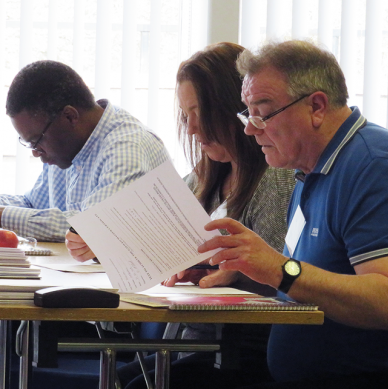
Listening is one of the most important skills students can develop, yet it is often overlooked. People spend a great deal of time learning how to read, write, and speak, but effective listening deserves the same attention. Good listening helps students understand lessons, follow instructions, participate in discussions, build relationships, and learn from other people’s experiences. Whether you are sitting in a classroom, attending an online lesson, working with classmates, or having a conversation with a teacher, stronger listening skills can make learning more productive and meaningful.
Listening is more than simply hearing sounds. Hearing happens naturally when sound reaches your ears, while listening requires attention and understanding. A person can hear a teacher speaking while thinking about something completely different. Active listening means making a deliberate effort to understand the information, recognize important ideas, and respond appropriately.
One of the first steps toward better listening is removing unnecessary distractions. Phones, notifications, background conversations, and unrelated activities can quickly interrupt concentration. Before a lesson or conversation begins, put away anything that is not needed. Creating a quieter environment makes it easier to focus on the person who is speaking.
Eye contact can also support attentive listening when appropriate for the situation and culture. Looking toward the speaker shows that you are engaged and can help you notice facial expressions and other communication cues. However, good listening does not require staring continuously. The goal is to remain attentive and comfortable rather than focusing on eye contact as a rigid rule.
Another useful habit is to avoid preparing your response while someone else is still speaking. Sometimes people appear to listen but are actually planning what they will say next. This can cause them to miss important details. Instead, give the speaker your full attention and think about your response after you have understood the main point.
Asking questions is an important part of effective listening. If something is unclear, do not simply guess what the speaker meant. Ask for clarification. Questions such as “Could you explain that another way?” or “What does this part mean?” can help prevent misunderstandings. In an educational setting, thoughtful questions can also demonstrate genuine engagement.
Repeating or summarizing information can strengthen understanding. After someone explains an important idea, try to restate it in your own words. For example, you might say, “So the main idea is that…” This gives you an opportunity to check your understanding and allows the speaker to correct any misunderstanding.
Taking notes can also improve listening during lessons. However, students should avoid trying to write down every word. Instead, focus on key concepts, examples, definitions, questions, and important connections. Listening first and recording the most useful information can be more effective than constantly looking down at a notebook.
Learning to identify the main idea is another valuable skill. Speakers may provide many details, but not every detail has the same importance. Ask yourself what the central message is and how the supporting information connects to it. This habit can make lectures, presentations, and discussions easier to follow.
Paying attention to transitions can help identify important information. Words such as “however,” “for example,” “in contrast,” “therefore,” or “most importantly” can signal a change in direction or highlight a key point. Recognizing these signals can help listeners organize information mentally.
Good listeners also pay attention to tone and context. The meaning of a message does not always come from words alone. A speaker’s tone, pace, facial expression, and body language can provide additional information. Paying attention to these signals can help students understand whether someone is asking a serious question, making a suggestion, expressing uncertainty, or emphasizing an important point.
Listening with an open mind is equally important. Students may encounter ideas they do not immediately agree with or understand. Instead of rejecting an idea before hearing the full explanation, try to understand the speaker’s reasoning first. You can disagree respectfully after you have considered the information carefully.
This does not mean accepting everything you hear as true. Strong listening and critical thinking work together. Listen carefully, evaluate evidence, compare information with reliable sources, and then form your own conclusion. Good listeners are not passive; they are attentive and thoughtful.
Improving listening skills can also strengthen classroom participation. Students who understand lessons more clearly may feel more comfortable answering questions or joining discussions. Listening to classmates can help them respond to what others have said rather than repeating an unrelated point.
Listening is especially important during group projects. Team members need to understand responsibilities, ideas, concerns, and suggestions. If everyone focuses only on expressing their own opinions, the group may struggle to make progress. Listening carefully allows students to build on each other’s ideas and work toward shared goals.
Teachers can also benefit from students who listen actively. When learners pay attention and ask relevant questions, teachers can better understand which concepts are clear and which areas may need additional explanation. This creates a more productive classroom environment for everyone.
Online learning requires special attention to listening. Digital lessons may involve recorded lectures, video conferences, podcasts, or other audio-based materials. Without the physical presence of a classroom, distractions can be easier to ignore. Students can improve their online listening by choosing a quiet space, using appropriate audio equipment, taking organized notes, and pausing recordings when they need time to process difficult information.
Listening to educational content outside school can provide additional practice. Podcasts, interviews, documentaries, recorded lectures, and audiobooks can expose students to different speaking styles and subjects. After listening, try summarizing the main ideas without checking the original material. This can turn passive listening into active practice.
Reading aloud and listening to the material can also support language learning. Students studying a new language can benefit from hearing natural pronunciation, rhythm, and sentence patterns. Listening regularly can improve familiarity with vocabulary and common expressions.
Patience is another essential part of good listening. Some speakers take longer to explain their ideas than others. Interrupting too quickly can cause important information to be missed. Give people enough time to complete their thoughts before responding. If clarification is needed, wait for an appropriate moment to ask.
Avoiding assumptions can also improve understanding. Sometimes listeners think they know what another person is going to say and stop paying attention. This can lead to misunderstandings. Even if you believe you understand the topic, continue listening to see whether the speaker adds something new.
Emotional awareness can influence listening as well. When a person feels frustrated, nervous, excited, or disappointed, it can be difficult to concentrate. Recognizing your own emotional state can help you pause and refocus. In conversations, understanding the other person’s emotions can also make it easier to respond respectfully.
Students can practice listening through everyday conversations. When a friend or family member tells you about something important, put away distractions and give them your attention. Avoid interrupting, ask relevant questions, and summarize what you understood. Regular practice in ordinary situations can strengthen listening habits in academic environments.
It can also help to review your listening after an important lesson or conversation. Ask yourself whether you understood the main message, remembered the important details, and asked questions when something was unclear. If you missed information, consider what distracted you and how you could improve next time.
Developing better listening skills does not require a complicated program. It is built through repeated attention to small habits. Put distractions aside, focus on the speaker, identify the main idea, take useful notes, ask questions, summarize information, and remain open to different perspectives. With regular practice, these actions can gradually become natural.
The benefits extend beyond academic performance. Strong listeners often communicate more effectively because they understand what others are saying before responding. Listening can help build trust, reduce misunderstandings, improve teamwork, and create stronger relationships. These advantages can remain valuable in higher education, professional environments, and everyday life.
In conclusion, better listening skills can make learning easier and communication more effective. Listening requires more than hearing words; it involves attention, understanding, questioning, reflection, and thoughtful response. Students can strengthen this ability by reducing distractions, focusing on main ideas, taking meaningful notes, asking for clarification, summarizing information, and listening with an open mind. Practice can take place in classrooms, online lessons, group projects, and everyday conversations. Most importantly, becoming a better listener is a gradual process. Each time you choose to give someone your full attention and genuinely understand what they are saying, you strengthen a skill that can support academic success, personal relationships, and lifelong learning.