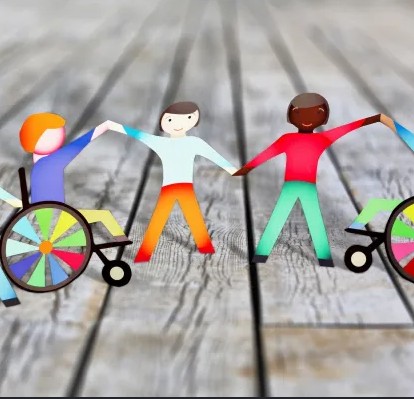
Education and social awareness are closely connected because learning helps individuals understand the world around them and recognize the importance of empathy, communication, and responsible decision-making. Social awareness involves understanding how people interact within communities, recognizing different perspectives, and appreciating the experiences of others. Education plays a major role in developing this understanding by encouraging critical thinking, cultural awareness, and meaningful communication. Through learning, individuals become more informed about social issues and more prepared to contribute positively to society.
At its core, education provides knowledge and understanding. Through subjects such as history, communication, literature, science, and social studies, individuals gain insight into how societies develop and how people influence one another. This understanding helps individuals recognize the connections between personal actions and community well-being. Education encourages people to think beyond their immediate experiences and consider how their choices affect others.
One of the most important ways education supports social awareness is through the development of empathy. Learning about different cultures, traditions, and life experiences helps individuals appreciate diversity and understand perspectives different from their own. Empathy encourages kindness, patience, and respectful interaction. Education teaches individuals that every person has unique experiences and viewpoints that deserve understanding and consideration.
Critical thinking is another essential part of education and social awareness. Critical thinking allows individuals to evaluate information carefully and approach social topics with balance and understanding. In a world filled with constant communication and information, education helps people recognize reliable sources, avoid misunderstandings, and think independently. Social awareness becomes stronger when individuals can analyze situations thoughtfully and consider multiple perspectives before forming conclusions.
Communication skills also play a major role in developing social awareness. Education encourages reading, writing, discussion, and collaboration, all of which strengthen the ability to express ideas clearly and listen respectfully to others. Meaningful communication helps individuals build stronger relationships and engage in thoughtful conversations about important social topics. Good communication supports understanding and cooperation within communities.
Another important aspect of education and social awareness is cultural understanding. Learning about different traditions, languages, and values broadens awareness and helps individuals appreciate the richness of human diversity. Cultural awareness reduces stereotypes and encourages respectful interaction between people from different backgrounds. Education helps individuals recognize that diversity can strengthen communities and inspire creativity and cooperation.
Technology has expanded opportunities for social learning and awareness in many ways. Online platforms, educational resources, and digital communication tools allow individuals to connect with people and ideas from around the world. Technology provides access to global perspectives and encourages individuals to stay informed about social developments and cultural experiences. Education helps individuals use technology responsibly while encouraging respectful communication and thoughtful interaction online.
Problem-solving is another valuable skill developed through education that contributes to social awareness. Communities often face challenges that require cooperation, understanding, and creative solutions. Education teaches individuals how to analyze situations, identify concerns, and explore positive ways to respond. Problem-solving skills encourage active participation in community life and help individuals contribute to meaningful social progress.
Adaptability is another important quality strengthened through education. Social environments and communication methods continue to evolve, and individuals who continue learning are often more prepared to respond positively to change. Adaptability helps people remain open to different perspectives and encourages flexibility in communication and collaboration. Education supports the ability to adjust thoughtfully to new experiences and social situations.
Collaboration is another important part of social awareness. Working with others allows individuals to exchange ideas, understand different viewpoints, and develop teamwork skills. Educational environments often encourage group learning and cooperative activities that teach respect, communication, and shared responsibility. Collaboration helps individuals recognize the value of community and collective effort.
Creativity also contributes to social awareness. Exposure to different experiences and perspectives encourages imaginative thinking and allows individuals to explore new approaches to communication and understanding. Creative learning environments inspire curiosity and encourage individuals to express themselves thoughtfully while appreciating the ideas of others.
Confidence is another valuable outcome of education that supports social awareness. Individuals who gain knowledge and communication skills often feel more comfortable participating in discussions and contributing to their communities. Confidence encourages active involvement and allows people to express their ideas respectfully while remaining open to learning from others.
Emotional awareness is closely connected to social understanding. Education helps individuals recognize emotions, manage reactions thoughtfully, and communicate with empathy. Emotional awareness supports healthier relationships and more balanced interactions. Individuals who understand their emotions are often better prepared to build positive social connections and respond constructively to challenges.
Reflection is an essential part of education and social awareness. Taking time to think about experiences, conversations, and social interactions helps individuals deepen their understanding and improve future actions. Reflection encourages self-awareness and supports thoughtful communication. Through reflection, individuals can recognize personal growth and continue developing empathy and understanding.
Lifelong learning is also important for maintaining social awareness. Society continues to evolve through technological advancements, cultural interaction, and changing social needs. Individuals who continue learning throughout life often remain more informed, adaptable, and engaged with the world around them. Lifelong learning supports continuous personal growth and encourages thoughtful participation in communities.
Practical life skills developed through education also contribute to social awareness. Skills such as communication, organization, critical thinking, and time management help individuals manage responsibilities effectively and interact positively with others. These practical abilities support cooperation and help individuals contribute meaningfully to society.
Resilience is another important quality strengthened through education. Challenges and misunderstandings are natural parts of social interaction, but learning from these experiences helps individuals become more patient and adaptable. Resilience encourages people to approach difficult situations with understanding and continue building positive relationships despite obstacles.
Another significant aspect of education and social awareness is responsible decision-making. Education encourages individuals to consider the impact of their actions on others and make thoughtful choices that support community well-being. Responsible individuals often contribute to stronger relationships and more supportive environments within society.
Balancing awareness with kindness and respect is also important. Social awareness should encourage understanding and cooperation rather than judgment or division. Education helps individuals approach differences thoughtfully and recognize the importance of empathy and respectful communication in building healthy communities.
In conclusion, education and social awareness are deeply connected through learning, communication, empathy, and critical thinking. Education helps individuals understand the world more clearly and develop the skills needed to build positive relationships and contribute meaningfully to society. Through cultural awareness, collaboration, adaptability, and lifelong learning, individuals become more prepared to engage thoughtfully with others and support stronger communities. By valuing education as a pathway to understanding and connection, societies can continue creating environments that encourage empathy, cooperation, and meaningful social growth.