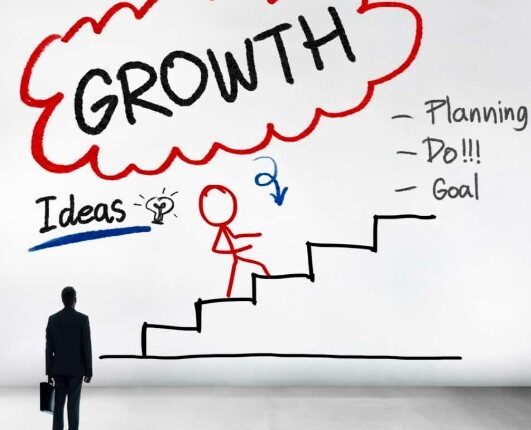
Education and personal fulfillment are deeply connected because learning helps individuals grow intellectually, emotionally, and socially throughout life. While education is often linked to academic achievement or career preparation, its influence extends far beyond professional success. Education can inspire curiosity, strengthen confidence, improve communication, and encourage self-discovery. Through learning, individuals often gain a stronger sense of purpose and satisfaction, making education an important part of creating a meaningful and balanced life.
At its core, personal fulfillment involves feeling connected to one’s goals, values, and sense of growth. Education supports this process by encouraging individuals to explore new ideas and understand themselves more deeply. Learning creates opportunities for self-awareness, helping people recognize their interests, strengths, and aspirations. As individuals gain knowledge and experience, they often develop a clearer understanding of what brings meaning and satisfaction to their lives.
One of the most important ways education contributes to personal fulfillment is through intellectual growth. Learning stimulates the mind and encourages curiosity about the world. Individuals who continue learning often feel more engaged and motivated because education introduces fresh ideas and perspectives. Intellectual growth creates a sense of progress and encourages individuals to remain open to discovery throughout life.
Critical thinking is another important aspect of education that supports fulfillment. Education teaches individuals how to analyze information carefully, consider different viewpoints, and make informed decisions. Critical thinking allows people to approach life with greater understanding and confidence. Individuals who feel capable of evaluating situations thoughtfully are often more comfortable making decisions that align with their values and long-term goals.
Communication skills developed through education also contribute to personal fulfillment. Being able to express ideas clearly and listen effectively helps individuals build stronger relationships and connect more meaningfully with others. Education encourages respectful discussion, collaboration, and empathy, all of which support healthier social interactions and emotional well-being.
Another valuable benefit of education is the development of confidence. As individuals gain knowledge and improve their skills, they often feel more capable of handling responsibilities and exploring opportunities. Confidence encourages individuals to pursue personal interests, participate in discussions, and embrace new experiences. Education helps people understand that growth and improvement are possible through effort and continuous learning.
Creativity is also closely connected to personal fulfillment. Education exposes individuals to different ideas, experiences, and forms of expression, encouraging imaginative thinking and exploration. Creativity allows people to express themselves, solve problems in innovative ways, and discover activities that bring enjoyment and satisfaction. Learning environments that encourage creativity often help individuals feel more inspired and motivated.
Technology has expanded opportunities for education and personal growth. Online learning platforms, digital libraries, and interactive educational tools allow individuals to explore topics and develop skills from almost anywhere. Technology supports flexible learning and encourages lifelong curiosity. Individuals can pursue personal interests, connect with global perspectives, and continue learning at their own pace.
Adaptability is another important quality strengthened through education. Life often involves change and unexpected situations, and education helps individuals become more flexible and open to new experiences. Adaptability supports personal fulfillment by helping people respond positively to challenges and remain willing to grow. Individuals who embrace learning are often better prepared to navigate life with resilience and confidence.
Another significant aspect of education and fulfillment is self-discovery. Through different learning experiences, individuals may uncover talents, interests, or passions they had not previously recognized. Education encourages exploration and provides opportunities to try new activities and ideas. This process of self-discovery can lead to greater purpose and a stronger sense of identity.
Problem-solving skills developed through education also contribute to fulfillment. Everyday life presents challenges that require thoughtful decisions and practical solutions. Education helps individuals develop the ability to approach problems calmly, analyze situations carefully, and consider effective responses. These skills create confidence and reduce feelings of uncertainty during difficult moments.
Collaboration is another important part of education that supports personal fulfillment. Working with others encourages communication, cooperation, and appreciation for different perspectives. Collaborative learning experiences help individuals build relationships and develop a sense of connection with their communities. Meaningful relationships often contribute greatly to overall life satisfaction.
Emotional awareness is also strengthened through education. Learning about communication, empathy, and human behavior helps individuals better understand themselves and others. Emotional awareness supports healthier relationships and balanced decision-making. Education encourages reflection and thoughtful interaction, which can improve both personal well-being and social connections.
Cultural awareness is another valuable benefit of education. Learning about different traditions, histories, and perspectives broadens understanding and encourages respect for diversity. Exposure to different viewpoints helps individuals develop empathy and appreciate the richness of human experiences. Cultural awareness often contributes to personal fulfillment by deepening understanding of the world and strengthening social harmony.
Reflection is an essential part of education and fulfillment. Taking time to think about experiences, lessons, and personal growth helps individuals gain clarity and recognize their progress. Reflection encourages self-awareness and supports thoughtful living. Through reflection, learning becomes more meaningful because individuals connect knowledge with their own values and experiences.
Lifelong learning is closely connected to personal fulfillment because growth does not end after formal education. Individuals who continue learning throughout life often remain curious, engaged, and adaptable. Lifelong learning supports intellectual stimulation and personal development while helping individuals stay connected to changing ideas and opportunities.
Practical life skills gained through education also contribute to fulfillment. Skills such as organization, communication, time management, and critical thinking help individuals manage responsibilities effectively and create balance in daily life. These practical abilities support independence and reduce unnecessary stress, allowing individuals to focus more on personal growth and meaningful experiences.
Resilience is another quality strengthened through education. Challenges and setbacks are natural parts of learning, and these experiences teach patience, persistence, and adaptability. Education helps individuals understand that mistakes can become opportunities for improvement and that growth often comes through effort and reflection.
Another important aspect of personal fulfillment is the sense of purpose that education can provide. Learning often inspires individuals to set goals, pursue interests, and contribute positively to their communities. Education encourages individuals to recognize their potential and explore ways to create meaningful impact in their lives and the lives of others.
Balancing education with well-being is also important. Personal fulfillment grows when learning is connected to healthy routines, meaningful relationships, and emotional balance. Education should support not only achievement but also happiness, self-understanding, and lifelong growth.
In conclusion, education and personal fulfillment are closely connected through intellectual growth, self-awareness, communication, and lifelong learning. Education helps individuals discover their strengths, pursue meaningful goals, and approach life with confidence and curiosity. Through creativity, adaptability, emotional awareness, and critical thinking, learning supports both personal development and long-term satisfaction. By embracing education as a lifelong journey, individuals can continue growing, exploring opportunities, and creating a more meaningful and fulfilling life.