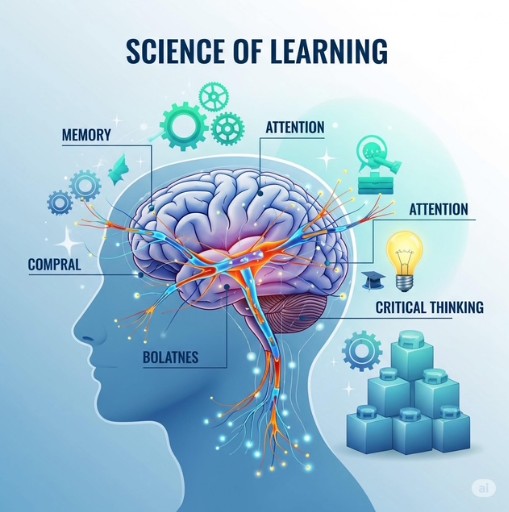
The science of learning explores how people gain knowledge, develop skills, and retain information throughout life. Learning is more than simply memorizing facts or completing lessons. It is a complex process that involves the brain, emotions, experiences, environment, and motivation. Understanding how learning works can help individuals improve the way they study, communicate, and grow personally. By exploring the science behind learning, people can develop more effective habits and create stronger connections with knowledge and experience.
At its core, learning begins with attention. The brain absorbs information more effectively when individuals are focused and engaged. Attention helps the mind process details and connect new information with existing knowledge. Distractions can interrupt this process, making it more difficult to understand and remember what is being learned. Creating a calm and organized learning environment often improves focus and supports better comprehension.
Memory is another essential part of the learning process. Learning becomes meaningful when information moves from short-term understanding into long-term memory. The brain strengthens memory through repetition, practice, and meaningful connection. When individuals revisit information regularly and apply it in practical situations, they are more likely to remember it over time. This is why active learning often leads to stronger understanding than passive observation.
Experience also plays an important role in the science of learning. People tend to learn more effectively when they connect information to real-life situations. Practical experiences help individuals understand how ideas work in everyday life, making learning more relevant and memorable. Learning through experience also encourages deeper understanding because individuals actively participate in the process rather than simply receiving information.
Another important aspect of learning is curiosity. Curiosity motivates individuals to explore ideas, ask questions, and seek understanding. The brain responds positively when people are genuinely interested in a topic, making it easier to stay engaged and retain information. Curious learners are often more motivated to continue exploring and improving their understanding over time.
Emotions also influence the learning process. Positive emotions such as interest, confidence, and motivation can improve focus and memory. On the other hand, stress or frustration can make learning more difficult by reducing concentration and confidence. Understanding the connection between emotions and learning helps individuals create healthier and more supportive learning habits.
Critical thinking is another important part of how people learn. Learning is not only about receiving information but also about analyzing, questioning, and applying it. Critical thinking encourages individuals to explore ideas deeply, consider different perspectives, and make informed decisions. This process strengthens understanding and helps individuals become more independent learners.
Communication also supports learning in important ways. Discussing ideas, asking questions, and sharing perspectives help individuals process information more effectively. Conversations encourage active thinking and expose learners to different viewpoints. Through communication, people often gain insights that deepen understanding and improve retention.
Technology has significantly influenced the science of learning in modern times. Digital resources, online platforms, and interactive tools provide access to information in flexible and engaging ways. Technology allows individuals to learn at their own pace and explore topics through videos, discussions, and interactive activities. These tools can support different learning styles and make education more accessible to a wider range of people.
Another important factor in learning is repetition and practice. Skills and knowledge become stronger when they are practiced consistently. The brain creates stronger neural connections through repeated use, making it easier to recall information and perform tasks over time. Practice helps individuals move from basic understanding to greater confidence and skill development.
Sleep and rest also contribute to effective learning. The brain processes and organizes information during periods of rest, especially during sleep. A healthy balance between learning and rest helps improve focus, memory, and overall well-being. Understanding the importance of rest reminds individuals that learning is connected to both mental and physical health.
Adaptability is another important part of the science of learning. Every individual learns differently, and effective learning often involves adjusting methods based on personal needs and experiences. Some people learn best through reading, while others benefit from discussion, observation, or hands-on activities. Understanding personal learning preferences helps individuals develop strategies that support stronger results.
Motivation is closely connected to successful learning. Individuals who understand the value of what they are learning are often more willing to stay engaged and persistent. Motivation can come from personal goals, curiosity, or the desire to improve skills and understanding. Positive motivation encourages lifelong learning and continuous personal growth.
Reflection is another valuable part of learning. Taking time to think about what has been learned helps individuals organize information and identify areas for improvement. Reflection strengthens understanding by encouraging deeper thinking and personal connection to the material. It also helps learners recognize progress and build confidence in their abilities.
Social interaction can also improve learning. Working with others allows individuals to share ideas, ask questions, and gain different perspectives. Collaborative learning encourages teamwork and communication while helping individuals understand concepts more fully. Social learning environments often create support and motivation that strengthen the learning process.
Creativity is another important part of learning science. Creative thinking helps individuals connect ideas in new ways and explore innovative solutions to challenges. Learning environments that encourage creativity often lead to deeper engagement and stronger problem-solving abilities. Creativity supports curiosity and helps individuals remain open to exploration and discovery.
Resilience also plays a role in learning. Challenges and mistakes are natural parts of the learning process, and individuals often grow by working through difficulties. Learning from mistakes encourages persistence and adaptability. Resilient learners understand that improvement takes time and that setbacks can provide valuable lessons.
Lifelong learning is closely connected to the science of learning because the brain continues developing and adapting throughout life. People can continue gaining knowledge, improving skills, and exploring new ideas at any age. Lifelong learning keeps the mind active and supports personal growth, adaptability, and emotional well-being.
Practical application is another key element of effective learning. Knowledge becomes more meaningful when individuals use it in real situations. Applying information helps strengthen understanding and allows individuals to see the value of what they have learned. Practical learning supports confidence and long-term retention.
In conclusion, the science of learning reveals that education is a dynamic and lifelong process influenced by attention, memory, experience, emotions, and motivation. Learning becomes more effective when individuals stay curious, practice regularly, reflect on experiences, and apply knowledge in meaningful ways. By understanding how the mind learns best, individuals can develop stronger habits that support personal growth, critical thinking, and continuous improvement throughout life.